Blog

  • Subha Nababarsha 2026 (শুভ নববর্ষ ১৪৩৩)

    Introduction

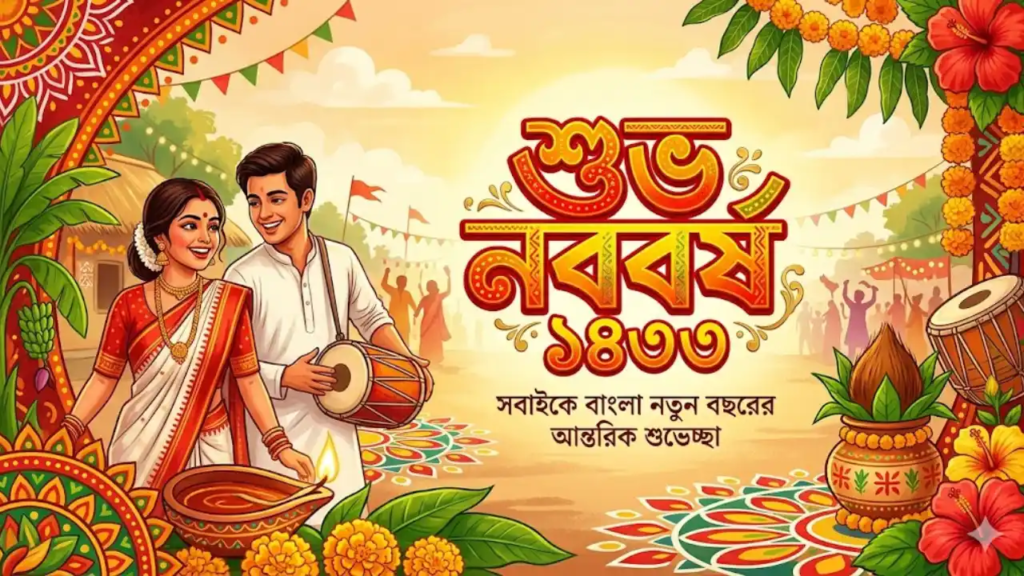
    Subha Nababarsha 2026 (শুভ নববর্ষ ১৪৩৩) Subha Nababarsha, also known as Bengali New Year, is one of the most cherished cultural festivals of Bengalis across the world. Celebrated with immense joy and enthusiasm, it marks the beginning of the new year according to the Bengali calendar. In 2026, Subha Nababarsha welcomes the year 1433, bringing with it renewed hope, prosperity, and happiness. The festival falls on April 14 or 15 each year and is widely observed in West Bengal, Bangladesh, and Bengali communities worldwide. Known as Pohela Boishakh, it is a vibrant blend of tradition, culture, and modern celebration.
    Subha Nababarsha 2026 (শুভ নববর্ষ ১৪৩৩)
    Subha Nababarsha 2026 (শুভ নববর্ষ ১৪৩৩)

    Historical Background

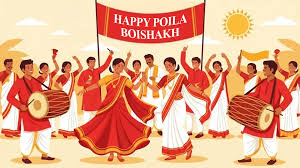
    The origins of Subha Nababarsha date back to the Mughal era during the reign of Emperor Akbar. To facilitate tax collection based on agricultural cycles, a new calendar combining the Islamic lunar calendar and the Hindu solar calendar was introduced. This became the Bengali calendar, or Bangabda. Over time, the first day of the calendar—Pohela Boishakh—evolved into a significant cultural festival rather than just an administrative necessity.
    Subha Nababarsha 2026 (শুভ নববর্ষ ১৪৩৩)
    Subha Nababarsha 2026 (শুভ নববর্ষ ১৪৩৩)

    The festival has since transcended religious boundaries and is now celebrated by people of all communities as a symbol of unity and cultural identity. In 2026, it continues to represent centuries of tradition, reflecting both historical roots and modern influences.


    Significance of Subha Nababarsha

    Subha Nababarsha holds deep cultural and emotional significance for Bengalis. It marks a fresh start, encouraging people to leave behind past worries and embrace new beginnings. The day symbolizes renewal—of relationships, business ventures, and personal goals.

    Subha Nababarsha 2026 (শুভ নববর্ষ ১৪৩৩)
    Subha Nababarsha 2026 (শুভ নববর্ষ ১৪৩৩)

    For traders and business owners, it is especially important as they open new account books, a ritual known as Haal Khata. Customers are invited, sweets are distributed, and old debts are settled. Spiritually, the festival represents purification, positivity, and hope for prosperity in the coming year.


    Preparations for the Festival

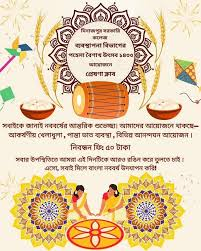
    Preparations for Subha Nababarsha begin days in advance. Homes are cleaned thoroughly, symbolizing the removal of negativity and the welcoming of positive energy. People buy new clothes, decorate their homes with alpana (traditional rangoli), and prepare special food items.

    Markets become vibrant with shoppers purchasing traditional attire like sarees and kurtas. Sweet shops and local markets bustle with activity as people buy sweets, fruits, and gifts. In 2026, modern shopping trends, including online purchases, also play a role, blending tradition with convenience.
    Subha Nababarsha 2026 (শুভ নববর্ষ ১৪৩৩)
    Subha Nababarsha 2026 (শুভ নববর্ষ ১৪৩৩)

    Traditional Attire

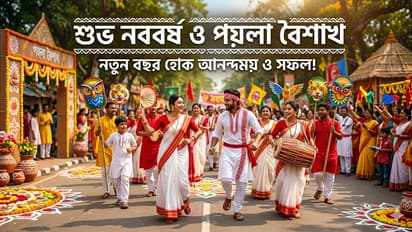
    On Subha Nababarsha, people dress in traditional Bengali clothing. Women typically wear white sarees with red borders, often paired with traditional jewelry and flowers in their hair. Men usually wear kurta-pajamas or dhotis.
    Subha Nababarsha 2026 (শুভ নববর্ষ ১৪৩৩)
    Subha Nababarsha 2026 (শুভ নববর্ষ ১৪৩৩)

    The colors white and red symbolize purity and prosperity, adding to the festive atmosphere. In recent years, fusion fashion has also gained popularity, especially among younger generations, combining traditional designs with modern styles.


    Cultural Celebrations and Activities

    Subha Nababarsha is incomplete without cultural festivities. The day begins early with people visiting temples to seek blessings for the new year. Processions, fairs, and cultural programs are organized across cities and towns.

    In West Bengal, especially in Kolkata, cultural events include music, dance, and theatrical performances. Rabindra Sangeet (songs by Rabindranath Tagore) and folk music are integral parts of the celebration. Streets are filled with joy, and people greet each other with “Shubho Noboborsho.”

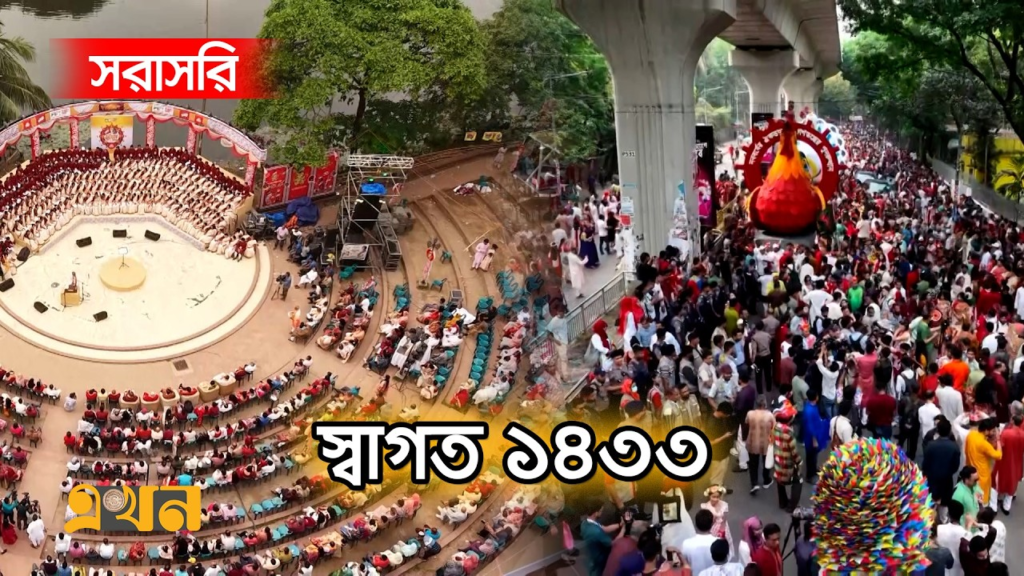
    In Bangladesh, the famous “Mangal Shobhajatra” procession, recognized by UNESCO, showcases colorful masks and artistic expressions representing unity and cultural pride.


    Traditional Foods

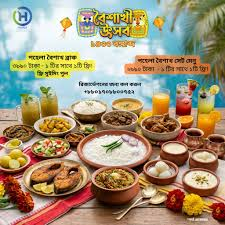
    Food plays a central role in Subha Nababarsha celebrations. Special dishes are prepared to mark the occasion, often including a mix of sweet and savory items.

    Popular dishes include:

    • Panta Bhat (fermented rice) with fried hilsa fish
    • Shorshe Ilish (hilsa fish in mustard sauce)
    • Luchi and Alur Dom
    • Mishti (sweets) like Rosogolla, Sandesh, and Payesh

    Families gather to enjoy elaborate meals together, strengthening bonds and celebrating the joy of togetherness. Restaurants also offer special Bengali New Year menus, attracting large crowds.
    Subha Nababarsha 2026 (শুভ নববর্ষ ১৪৩৩)
    Subha Nababarsha 2026 (শুভ নববর্ষ ১৪৩৩)

    Haal Khata Tradition

    One of the most unique aspects of Subha Nababarsha is the Haal Khata ceremony. Business owners open new ledgers on this day and invite customers to mark the beginning of a new financial year.

    Customers often receive sweets and small gifts as a token of appreciation. This tradition reinforces trust and goodwill between traders and customers. Even in 2026, despite digital accounting systems, many businesses continue this ritual for its cultural significance.


    Role of Music and Art

    Music and art are deeply woven into the fabric of Subha Nababarsha celebrations. Songs of Rabindranath Tagore, especially those welcoming the new year, are performed widely. Cultural institutions organize programs showcasing dance, poetry, and drama.

    Art exhibitions, fairs, and street performances highlight Bengali heritage. The festival becomes a platform for artists to express creativity and preserve traditional forms while also embracing modern interpretations.
    Subha Nababarsha 2026 (শুভ নববর্ষ ১৪৩৩)
    Subha Nababarsha 2026 (শুভ নববর্ষ ১৪৩৩)

    Modern Celebrations in 2026

    In 2026, Subha Nababarsha reflects a blend of tradition and modernity. Social media plays a major role in spreading festive greetings and connecting people across the globe. Virtual celebrations, online cultural events, and digital greetings have become common.

    Shopping trends have also evolved, with e-commerce platforms offering special discounts for the occasion. Restaurants and cafes host themed events, attracting younger audiences. Despite these changes, the core essence of the festival—joy, renewal, and cultural pride—remains intact.


    Celebrations Beyond Bengal

    Subha Nababarsha is not limited to West Bengal or Bangladesh. Bengali communities around the world celebrate the festival with equal enthusiasm. Cities like London, New York, and Toronto host cultural events, fairs, and community gatherings.

    These celebrations help preserve Bengali culture and pass it on to future generations living abroad. In 2026, globalization and digital connectivity make it easier than ever for people to celebrate together, regardless of geographical boundaries.


    Economic and Social Impact

    The festival significantly boosts local economies. Markets, clothing stores, sweet shops, and restaurants experience increased sales during this time. Cultural events and fairs also create opportunities for artists and small businesses.

    Socially, Subha Nababarsha fosters unity and harmony. It brings people together, transcending differences of religion, class, and background. The spirit of togetherness and mutual respect is one of the most beautiful aspects of the festival.


    Environmental Awareness

    In recent years, there has been a growing emphasis on celebrating festivals in an eco-friendly manner. In 2026, many communities promote sustainable practices such as using natural decorations, avoiding plastic, and reducing waste.

    Eco-friendly processions, biodegradable materials, and awareness campaigns encourage people to celebrate responsibly while preserving the environment.


    Conclusion

    Subha Nababarsha 2026 is not just a celebration of a new calendar year—it is a celebration of life, culture, and unity. Rooted in history yet evolving with time, it continues to bring joy and hope to millions of people.

    As Bengalis welcome the year 1433 with open hearts, the festival reminds everyone of the importance of new beginnings, gratitude, and togetherness. Whether celebrated traditionally or with modern influences, the spirit of Subha Nababarsha remains timeless—spreading happiness, prosperity, and cultural pride across generations.

    Shubho Noboborsho! 🌼
  • Swami Vivekananda (1863)

    https://news.eduindex.org/2024/07/swami-vivekananda
    Swami Vivekananda (1863)https://news.eduindex.org/2024/07/swami-vivekananda

    Introduction

    Swami Vivekananda was one of the most influential spiritual leaders and thinkers of modern India. He played a crucial role in introducing Indian philosophies of Vedanta and Yoga to the Western world. A disciple of Sri Ramakrishna, Vivekananda combined spirituality with social reform, inspiring millions through his teachings on self-confidence, service, and universal brotherhood. His life continues to be a source of inspiration for youth and spiritual seekers across the globe.


    Swami Vivekananda (1863)
    Swami Vivekananda (1863)

    Swami Vivekananda was born as Narendranath Datta on India. He belonged to a well-educated and culturally rich family. His father, Vishwanath Datta, was a lawyer with progressive views, while his mother, Bhuvaneshwari Devi, was deeply religious and had a strong influence on his personality.

    From a young age, Narendra was intelligent, curious, and energetic. He excelled in academics, music, and physical activities. His questioning mind often led him to ask deep philosophical questions about God, existence, and the purpose of life. This curiosity eventually set the stage for his spiritual journey.


    Education and Intellectual Development

    https://vivekananda.arvindkatoch.com/2015/01/vivekananda
    Swami Vivekananda (1863)

    Narendra received his education at Presidency College and later at Scottish Church College in Kolkata. He studied Western philosophy, logic, history, and literature. Thinkers like Herbert Spencer, John Stuart Mill, and Hume influenced his intellectual growth.

    Despite his exposure to Western ideas, Narendra struggled with doubts about religion. He sought logical answers rather than blind faith. His search for truth led him to ask spiritual leaders a simple yet profound question: “Have you seen God?” Most could not give a convincing answer—until he met Sri Ramakrishna.


    Meeting with Sri Ramakrishna

    Swami Vivekananda (1863)

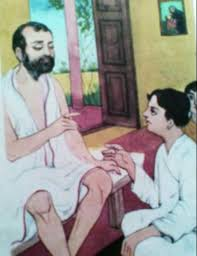
    Narendra met Sri Ramakrishna at the Dakshineswar Kali Temple in Kolkata. This meeting changed the course of his life. When Narendra asked Ramakrishna whether he had seen God, the latter replied, “Yes, I see Him as clearly as I see you.”

    Initially skeptical, Narendra gradually became convinced of Ramakrishna’s spiritual depth. Under his guidance, he experienced profound spiritual awakening. Ramakrishna taught him the unity of all religions and emphasized direct experience of the divine rather than mere rituals.

    After Ramakrishna’s death in 1886, Narendra and other disciples formed a monastic brotherhood. It was during this time that he took the name Swami Vivekananda.


    Spiritual Journey Across India

    Swami Vivekananda (1863)

    After becoming a monk, Vivekananda traveled extensively across India as a wandering ascetic. He observed the poverty, ignorance, and suffering of the people. These experiences deeply affected him and shaped his mission.

    He realized that spirituality alone was not enough; social upliftment and education were equally important. He believed that true religion must address human suffering and empower individuals. His travels helped him understand India’s strengths and weaknesses, strengthening his resolve to work for national regeneration.


    The Chicago Parliament of Religions, 1893

    Swami Vivekananda 1893

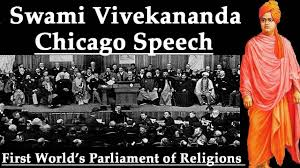
    One of the most significant events in Vivekananda’s life was his participation in the Parliament of the World’s Religions held in Chicago in 1893. Representing India and Hinduism, he delivered a historic speech that began with the famous words, “Sisters and Brothers of America.”

    His address received a standing ovation and instantly made him a global figure. He spoke about religious tolerance, universal acceptance, and the unity of all faiths. Vivekananda presented Hinduism as a rational and inclusive religion, correcting many misconceptions held by the Western world.

    This event marked the beginning of his international influence.


    Teachings and Philosophy

    Swami Vivekananda’s teachings were deeply rooted in Vedanta philosophy. He emphasized the following key ideas:

    1. Universal Brotherhood

    He believed that all human beings are interconnected and that all religions lead to the same truth. His message promoted harmony and respect among different faiths.

    2. Self-Confidence and Strength

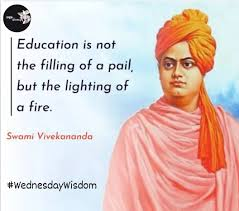
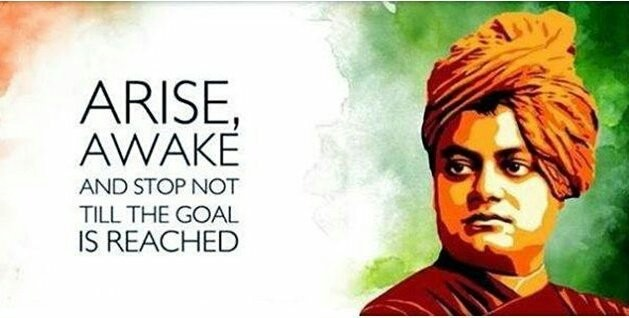
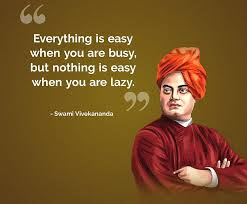
    Vivekananda encouraged individuals to believe in themselves. He famously said that strength is life, and weakness is death. He urged people to overcome fear and realize their inner potential.

    3. Service to Humanity

    He taught that serving the poor and needy is the highest form of worship. According to him, “Service to man is service to God.”

    4. Education

    Vivekananda believed that education should build character, strengthen the mind, and promote self-reliance. He emphasized practical knowledge along with moral values.

    5. Practical Vedanta

    He advocated applying spiritual principles in everyday life. His philosophy was not limited to meditation but extended to action and social responsibility.


    Establishment of Ramakrishna Mission

    In 1897, Vivekananda founded the Ramakrishna Mission. The organization aimed to combine spiritual growth with social service. It focused on education, healthcare, disaster relief, and rural development.

    The mission continues to work in various fields and has become a global organization. It reflects Vivekananda’s vision of integrating spirituality with practical service to society.


    Contribution to Indian Nationalism

    Swami Vivekananda played a significant role in awakening national consciousness in India. During British colonial rule, his teachings instilled pride in Indian culture and heritage.

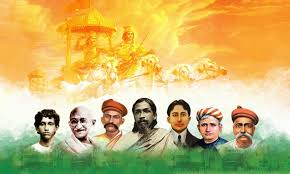
    He inspired many freedom fighters and leaders with his message of strength, unity, and self-reliance. He encouraged Indians to overcome inferiority and believe in their capabilities. His ideas contributed to the intellectual foundation of India’s independence movement.


    Influence in the Western World

    After the Chicago Parliament, Vivekananda spent several years in the United States and Europe, spreading the teachings of Vedanta and Yoga. He established Vedanta societies and delivered lectures on spirituality, philosophy, and self-development.

    His ability to explain complex spiritual ideas in simple terms attracted many followers. He bridged the gap between Eastern spirituality and Western rationality, making Indian philosophy accessible to a global audience.


    Personality and Character

    Swami Vivekananda was known for his charismatic personality, sharp intellect, and powerful oratory skills. He combined deep spirituality with practical wisdom. His fearlessness, compassion, and dedication made him a remarkable leader.

    He was also known for his discipline and strong willpower. Despite facing challenges and criticism, he remained committed to his mission. His life exemplified the ideals he preached.


    Death and Legacy

    Swami Vivekananda passed away on July 4, 1902, at the young age of 39. Despite his short life, his impact was immense and long-lasting.

    His legacy continues through his teachings, writings, and institutions like the Ramakrishna Mission. His birthday, January 12, is celebrated as National Youth Day in India, highlighting his influence on young minds.


    Relevance in Modern Times

    Vivekananda’s teachings remain highly relevant today. In a world facing conflict, stress, and inequality, his message of unity, strength, and service offers valuable guidance.

    His emphasis on self-confidence and character-building is especially important for today’s youth. His vision of harmony among religions is crucial in promoting peace and understanding in a diverse world.


    Conclusion

    Swami Vivekananda was not just a spiritual leader but also a visionary reformer and global ambassador of Indian culture. His life and teachings continue to inspire millions to strive for personal growth and social betterment.

    He showed that spirituality is not separate from daily life but an integral part of it. By combining knowledge, action, and devotion, Vivekananda created a path that is both practical and profound. His timeless message encourages humanity to rise above differences and work together for a better world.

  • Old kolkata history

    Introduction

    Old kolkata history
    Old kolkata history

    Old kolkata history The history of Kolkata (formerly Calcutta) is a rich tapestry woven from trade, colonial ambition, cultural renaissance, and political transformation. Often called the “City of Joy,” its past reflects the broader evolution of India under colonial rule and its journey into modern nationhood. This overview explores the old history of Kolkata in a structured, heading-wise format.


    Early Settlements Before Colonial Rule

    Old kolkata history
    Old kolkata history

    Old kolkata history Before the arrival of Europeans, the region that would become Kolkata consisted of three small villages: Sutanuti, Govindapur, and Kalikata. These settlements were located along the eastern bank of the Hooghly River, a distributary of the Ganges.

    The area was under the control of the Mughal Empire, particularly during the reign of Aurangzeb. The villages were primarily inhabited by fishermen, weavers, and farmers. Trade existed but was limited, mostly involving local markets and riverine commerce.


    Arrival of the British East India Company

    Old kolkata history
    Old kolkata history

    Old kolkata historyThe decisive turning point came in 1690 when Job Charnock, an agent of the British East India Company, established a trading post in the region. Though historians debate whether Charnock can truly be called the “founder” of Kolkata, his role in consolidating British presence is significant.

    In 1698, the Company acquired zamindari rights over the three villages from the local landlords, marking the formal beginning of British control. This laid the groundwork for Kolkata’s emergence as a major colonial city.


    Construction of Fort William

    Old kolkata history
    Old kolkata history

    To secure their growing interests, the British constructed Fort William in 1696. The fort became a military stronghold and administrative center.

    However, tensions with the Nawab of Bengal escalated, particularly under Siraj ud-Daulah. In 1756, he captured the fort, leading to the infamous “Black Hole of Calcutta” incident, which the British later used to justify military retaliation.


    Battle of Plassey and British Dominance

    The turning point in Bengal’s—and Kolkata’s—history came with the Battle of Plassey in 1757. Led by Robert Clive, the British East India Company defeated Siraj ud-Daulah.

    This victory established British political control over Bengal and marked the beginning of colonial rule in India. Kolkata soon became the capital of British India, serving as the administrative and commercial hub of the empire in the East.


    Growth as a Colonial Capital

    From the late 18th to early 20th century, Kolkata flourished as the capital of British India (until 1911). It became a center for governance, trade, education, and culture.

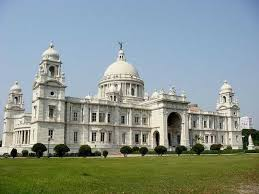
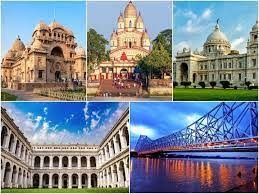
    Grand colonial architecture emerged during this period, including landmarks like Victoria Memorial and Writers’ Building. The city’s layout reflected British urban planning, with wide roads, administrative quarters, and European-style institutions.

    Kolkata also became a hub for international trade, especially in textiles, jute, and tea.


    The Bengal Renaissance

    The 19th century witnessed a cultural and intellectual awakening known as the Bengal Renaissance. This period saw the rise of reformers, thinkers, and artists who reshaped Indian society.

    Prominent figures included:

    • Raja Ram Mohan Roy – founder of the Brahmo Samaj and advocate for social reforms
    • Ishwar Chandra Vidyasagar – champion of women’s education and widow remarriage
    • Rabindranath Tagore – literary giant and cultural icon

    This era fostered advancements in education, literature, science, and social reform, making Kolkata the intellectual capital of India.


    Role in the Indian Freedom Movement

    Old kolkata history
    Old kolkata history

    Kolkata played a crucial role in India’s struggle for independence. It was a center for political activism and revolutionary movements.

    The Partition of Bengal by the British sparked widespread protests and the Swadeshi Movement, encouraging the boycott of British goods.

    Revolutionaries like Subhas Chandra Bose emerged from Kolkata, inspiring resistance against colonial rule. The city became a hotbed of nationalist sentiment and political mobilization.


    Transfer of Capital to Delhi

    Transfer of Capital to Delhi

    In 1911, the British shifted the capital of India from Kolkata to New Delhi. This decision was partly due to administrative convenience and partly to reduce the political influence of Bengal’s nationalist movements.

    Although Kolkata lost its political primacy, it remained a major cultural and economic center.


    Impact of Partition and Independence

    The Partition of India in 1947 had a profound impact on Kolkata. As Bengal was divided into West Bengal (India) and East Pakistan (now Bangladesh), Kolkata experienced a massive influx of refugees.

    This led to rapid urban expansion, economic strain, and social challenges. However, it also enriched the city’s cultural diversity.


    Post-Independence Developments

    After independence, Kolkata faced economic decline due to industrial stagnation and political unrest. However, it remained an important center for art, literature, and cinema.

    The city became associated with intellectual movements, theatre, and films, especially through the works of directors like Satyajit Ray.


    Old kolkata history

    Old Kolkata is characterized by its unique blend of colonial heritage and Bengali traditions. Areas like North Kolkata still retain historic mansions, narrow lanes, and traditional lifestyles.

    Festivals such as Durga Puja showcase the city’s vibrant cultural identity. The celebration combines artistry, devotion, and community spirit, reflecting centuries-old traditions.


    Architectural Heritage

    The architecture of old Kolkata is a mix of British colonial styles and traditional Bengali designs. Notable features include:

    • Grand colonial buildings with neoclassical elements
    • Traditional “bonedi bari” (aristocratic mansions)
    • Religious structures like temples and churches

    Landmarks such as Howrah Bridge symbolize the city’s engineering and cultural significance.


    Conclusion

    The old history of Kolkata is a story of transformation—from a cluster of small villages to the capital of British India, and eventually to a cultural powerhouse of modern India. Its legacy is deeply embedded in its architecture, literature, political movements, and social fabric.

    Understanding Kolkata’s past offers valuable insights into India’s colonial experience, cultural evolution, and resilience. Even today, traces of its old-world charm coexist with modern urban life, making it one of the most historically rich cities in the country.

  • Netaji Subhas Chandra Bose: A Comprehensive Study(1897)

    Netaji Subhas Chandra Bose: A Comprehensive Study(1897)
    Netaji Subhas Chandra Bose(1897):

    Introduction

    Netaji Subhas Chandra Bose:(1897)

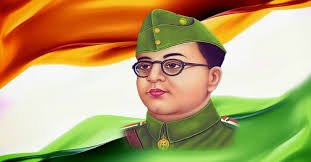
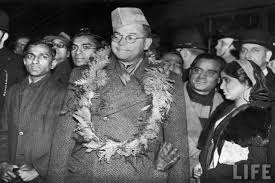
    Netaji Subhas Chandra Bose: A Comprehensive Study(1897)Subhas Chandra Bose, popularly known as Netaji, was one of the most dynamic and influential leaders of India’s struggle for independence. His life was marked by intense patriotism, fearless leadership, and a willingness to adopt unconventional methods to liberate India from British rule. Unlike many of his contemporaries, Bose believed that freedom could not be achieved solely through non-violence; instead, he advocated for armed resistance and international alliances. His famous slogan, “Give me blood, and I will give you freedom,” continues to inspire generations.


    Netaji Subhas Chandra Bose: A Comprehensive Study(1897)
    Netaji Subhas Chandra Bose:(1897)

    Subhas Chandra Bose was born on January 23, 1897, in Cuttack. He belonged to a well-educated and affluent Bengali family. His father, Janakinath Bose, was a prominent lawyer, and his mother, Prabhavati Devi, was a deeply religious woman.

    From a young age, Bose showed exceptional intelligence and discipline. He was influenced by the teachings of Swami Vivekananda and Ramakrishna Paramahamsa, which shaped his spiritual and nationalist outlook. His early education took place in Cuttack, after which he moved to Kolkata for higher studies.


    NETAJI SUBHAS MEMORIYAL

    Bose studied at Presidency College in Kolkata and later at Scottish Church College. He was an outstanding student and later went to England to prepare for the Indian Civil Services (ICS) examination, one of the most prestigious career paths under British rule.

    He secured the fourth rank in the ICS examination in 1920, which was a remarkable achievement. However, his strong nationalist feelings led him to resign from the service in 1921 before formally joining. This decision demonstrated his commitment to the cause of Indian independence over personal success and comfort.Netaji Subhas Chandra Bose:


    Entry into the Freedom Struggle

    Netaji Subhas Chandra Bose: A Comprehensive Study(1897)
    Netaji Subhas Chandra Bose:(1897)

    After returning to India, Bose joined the Indian National Congress and quickly rose through its ranks due to his dedication and organizational skills. He was deeply influenced by Mahatma Gandhi but later developed ideological differences with him.

    Bose believed that Gandhi’s policy of non-violence was not sufficient to overthrow British rule. Instead, he advocated for a more aggressive approach. Despite these differences, Bose respected Gandhi and referred to him as the “Father of the Nation.”


    Role in Indian National Congress

    Netaji Subhas Chandra Bose: A Comprehensive Study(1897)
    Netaji Subhas Chandra Bose:(1897)

    Bose became a prominent leader within the Indian National Congress. He served as the President of the Congress twice, in 1938 (Haripura Session) and 1939 (Tripuri Session).

    During his presidency, Bose emphasized industrialization, economic planning, and complete independence (Purna Swaraj). However, his re-election in 1939 led to conflicts with Gandhi and other senior leaders. Eventually, he resigned from the presidency and formed the Forward Bloc, aiming to consolidate left-wing elements within the Congress.


    Netaji Subhas Chandra Bose: A Comprehensive Study(1897)
    Netaji Subhas Chandra Bose:(1897)

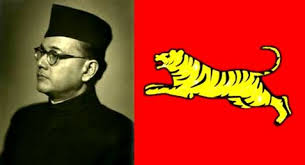
    In 1939, Bose established the All India Forward Bloc. The objective of this organization was to unite all radical and anti-imperialist forces in India.

    Through the Forward Bloc, Bose sought to continue the struggle for independence with greater intensity. However, his activities drew the attention of British authorities, and he was placed under house arrest.


    Escape from India

    Netaji Subhas Chandra Bose: A Comprehensive Study(1897)
    Netaji Subhas Chandra Bose: A Comprehensive Study(1897)

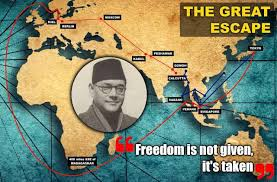
    In a daring move in 1941, Bose escaped from house arrest in Kolkata. Disguised as a Pathan, he traveled across India and eventually reached Germany via Afghanistan and the Soviet Union.

    His escape is considered one of the most dramatic episodes in the history of India’s freedom struggle. It demonstrated his courage, determination, and strategic thinking.


    International Alliances

    Netaji Subhas Chandra Bose: A Comprehensive Study(1897) During World War II, Bose sought international support to fight against British colonial rule. He initially went to Germany and later moved to Japan.

    In Germany, he met Adolf Hitler, seeking support for India’s independence. Although his efforts in Germany had limited success, his move to Japan proved more fruitful.


    Indian National Army (INA)

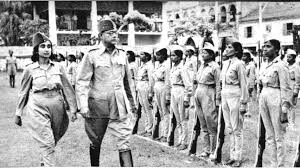
    Netaji Subhas Chandra Bose: A Comprehensive Study(1897) Bose reorganized the Indian National Army (INA), originally formed by Indian prisoners of war in Southeast Asia. Under his leadership, the INA became a formidable force.

    The INA aimed to liberate India with the help of Japanese forces. Bose established a provisional government called the Azad Hind Government in 1943, which was recognized by several countries.


    Military Campaigns and Achievements

    The INA launched military operations in northeastern India, particularly in regions like Manipur and Nagaland. Netaji Subhas Chandra Bose: A Comprehensive Study(1897) The most notable campaign was the battle of Imphal.

    Although the INA initially made progress, it eventually faced setbacks due to lack of resources and the defeat of Japan in World War II. Despite this, the INA’s efforts had a significant psychological impact on the Indian population and the British Indian Army.


    Ideology and Vision

    Netaji Subhas Chandra Bose: A Comprehensive Study(1897) Bose’s ideology was rooted in nationalism, socialism, and strong leadership. He believed in a united India free from caste, religion, and regional divisions.

    He advocated for:

    • Complete independence from British rule
    • Industrial and economic development
    • Social equality and justice
    • Strong central governance

    Unlike many leaders of his time, Bose was willing to adopt a pragmatic approach, even if it meant aligning with controversial global powers.


    Relationship with Contemporary Leaders

    Bose had complex relationships with other leaders of the independence movement. While he admired Gandhi, he disagreed with his methods. Similarly, he had differences with Jawaharlal Nehru on certain ideological issues.

    Despite these differences, Bose remained committed to the larger goal of independence and respected the contributions of his contemporaries.


    Death and Mystery

    The circumstances surrounding Bose’s death remain one of the greatest mysteries in Indian history. According to official reports, he died in a plane crash in Taiwan on August 18, 1945.

    However, many believe that he survived and lived in secrecy. Numerous investigations and theories have emerged over the years, but no conclusive evidence has been found.


    Legacy and Contributions

    Netaji Subhas Chandra Bose’s contribution to India’s freedom struggle is immense. His efforts inspired millions of Indians to rise against colonial rule.

    The INA trials held in 1945–46 sparked widespread protests across India and weakened British authority. Many historians believe that these events accelerated India’s independence in 1947.


    Influence on Modern India

    Bose’s ideas continue to influence modern India. His emphasis on discipline, unity, and patriotism resonates strongly even today.

    Institutions, roads, and airports across India have been named after him. His birthday, January 23, is celebrated as Parakram Diwas (Day of Valor) in India.


    Conclusion

    Netaji Subhas Chandra Bose remains a symbol of courage, determination, and unwavering patriotism. His life teaches us the importance of sacrifice and the courage to stand up for one’s beliefs.

    While his methods differed from other leaders, his ultimate goal was the same: a free and independent India. His legacy continues to inspire generations to work towards a stronger and more united nation.


    https://www.google.com/search?sca_esv=19eacb78983cd92f&rlz=1C1CHBD_enIN1196IN1202&sxsrf=ANbL-

  • Mahatma Gandhi: The Apostle of Truth and Non-Violence(1869)


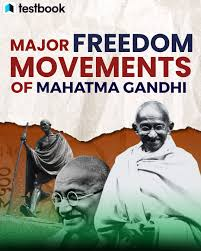
    Mahatma Gandhi: The Apostle of Truth and Non-Violence(1869)
    Mahatma Gandhi: The Apostle of Truth and Non-Violence(1869)

    Introduction: The Making of a Mahatma

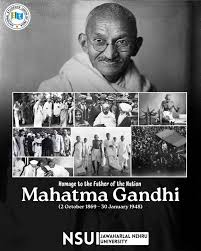
    Mahatma Gandhi: The Apostle of Truth and Non-Violence(1869) Mohandas Karamchand Gandhi, known to the world as Mahatma (Great Soul), stands as one of the most influential figures of the 20th century. Born on October 2, 1869, in the small coastal town of Porbandar, India, his journey from a shy, average student to the “Father of the Nation” is a testament to the power of self-transformation. Gandhi did not just lead a political revolution; he led a moral one, proving that the most powerful weapon against oppression is not a sword, but the soul.

    Mahatma Gandhi: The Apostle of Truth and Non-Violence(1869)
    Mahatma Gandhi: The Apostle of Truth and Non-Violence(1869)

    1.Early Years and the Search for Identity

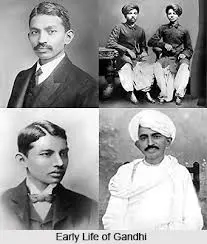
    Gandhi was raised in a devout Hindu household. His mother, Putlibai, was deeply religious, often undertaking long fasts. This early environment instilled in him the values of Ahimsa (non-violence) and vegetarianism.

    At 18, Gandhi sailed to London to study law at University College London. This period was a struggle for identity; he briefly tried to mimic the “English Gentleman,” taking dancing and violin lessons, before realizing that true strength came from within. He began studying the Bhagavad Gita and the Bible, finding a common thread of selfless service in both.

    2. The South African Crucible (1893–1914)

    Mahatma Gandhi: The Apostle of Truth and Non-Violence(1869)
    Mahatma Gandhi: The Apostle of Truth and Non-Violence(1869)

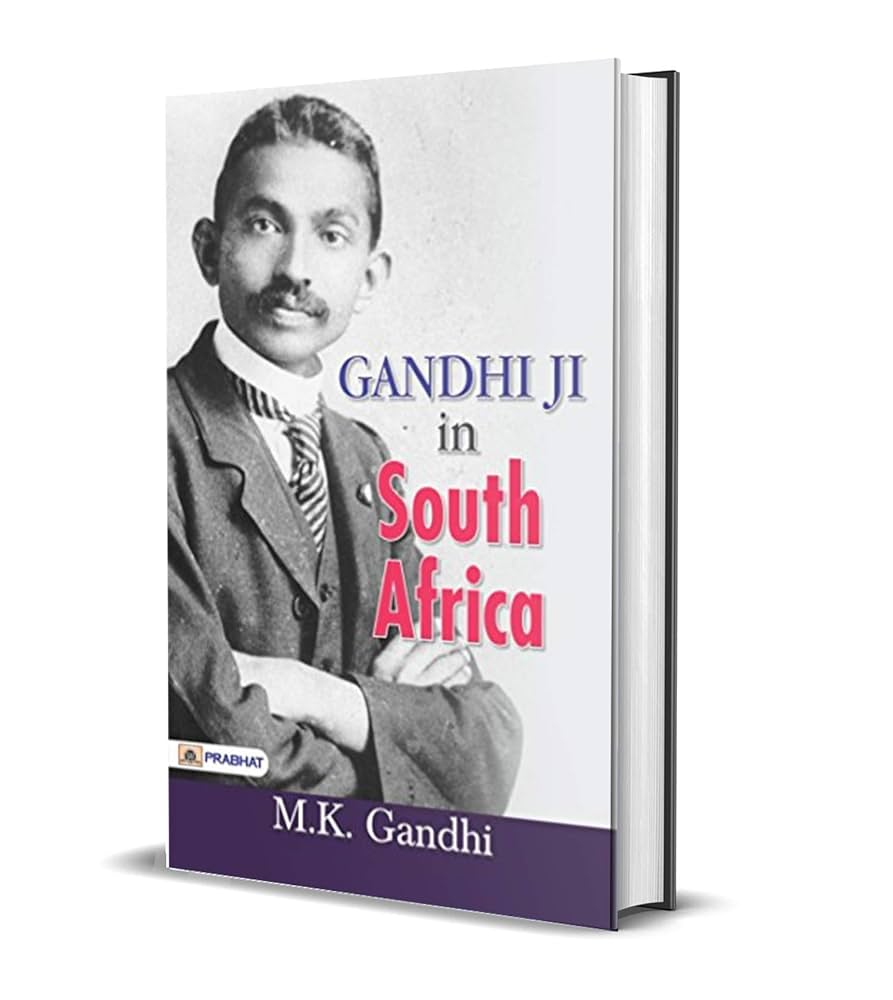
    The “Mahatma” was arguably born in South Africa. Arriving there in 1893 to handle a legal case, he was immediately confronted with “color prejudice.” The famous incident at Pietermaritzburg, where he was thrown off a train for refusing to move to the third-class carriage, was his “moment of truth.”

    Instead of returning to India, he stayed for 21 years to fight for the rights of Indians. It was here that he developed Satyagraha (Truth-Force). He realized that by Refusing to obey unjust laws and accepting the punishment without retaliation, one could appeal to the conscience of the oppressor.

    3. Return to India and Grassroots Leadership

    Mahatma Gandhi: The Apostle of Truth and Non-Violence(1869)
    Mahatma Gandhi: The Apostle of Truth and Non-Violence(1869)

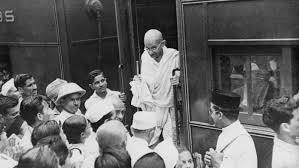
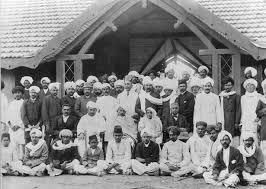
    Gandhi returned to India in 1915 at the urging of his mentor, Gopal Krishna Gokhale. He spent a year traveling the country in third-class railway carriages to understand the “real India”—the villages.

    • Champaran and Kheda (1917–1918): His first major victories in India involved fighting for indigo farmers and peasants burdened by illegal taxes. These campaigns turned him into a folk hero.
    • The Khilafat Movement: Gandhi showed his genius for unity by supporting the Khilafat movement, bringing Hindus and Muslims together against British rule.

    4.The Era of Mass Movements

    Mahatma Gandhi: The Apostle of Truth and Non-Violence(1869)
    Mahatma Gandhi: The Apostle of Truth and Non-Violence(1869)

    Gandhi transformed the Indian National Congress from an elite debating society into a mass movement.

    • Non-Cooperation Movement (1920): He urged Indians to boycott British goods, schools, and offices. He famously promoted the Charkha (spinning wheel) to encourage self-reliance. However, when the movement turned violent at Chauri Chaura in 1922, Gandhi did the unthinkable: he called off the entire national protest, prioritizing his principles over political gain.
    • The Salt March (1930): Perhaps his most iconic act. By marching 240 miles to the sea to make a pinch of salt, he defied the British salt tax. This simple act of “civil disobedience” captured the world’s imagination and shook the foundations of the British Empire.

    5. The Philosophy of Satyagraha and Ahimsa

    Mahatma Gandhi: The Apostle of Truth and Non-Violence(1869)
    Mahatma Gandhi: The Apostle of Truth and Non-Violence(1869)

    To understand Gandhi, one must understand his “Experiments with Truth.”

    • Ahimsa (Non-violence): For Gandhi, non-violence was not cowardice. It was the “summit of bravery.” He believed that responding to hate with hate only doubled the darkness.
    • Sarvodaya (Welfare for All): He envisioned a society built on village autonomy and economic equality.
    • Brahmacharya: His later years involved intense self-discipline and experiments in celibacy, which remain a subject of historical debate, but were, for him, a means of attaining spiritual power for the nation’s cause.

    6. The Final Struggle: “Quit India” and Partition

    Mahatma Gandhi: The Apostle of Truth and Non-Violence(1869)
    Mahatma Gandhi: The Apostle of Truth and Non-Violence(1869)

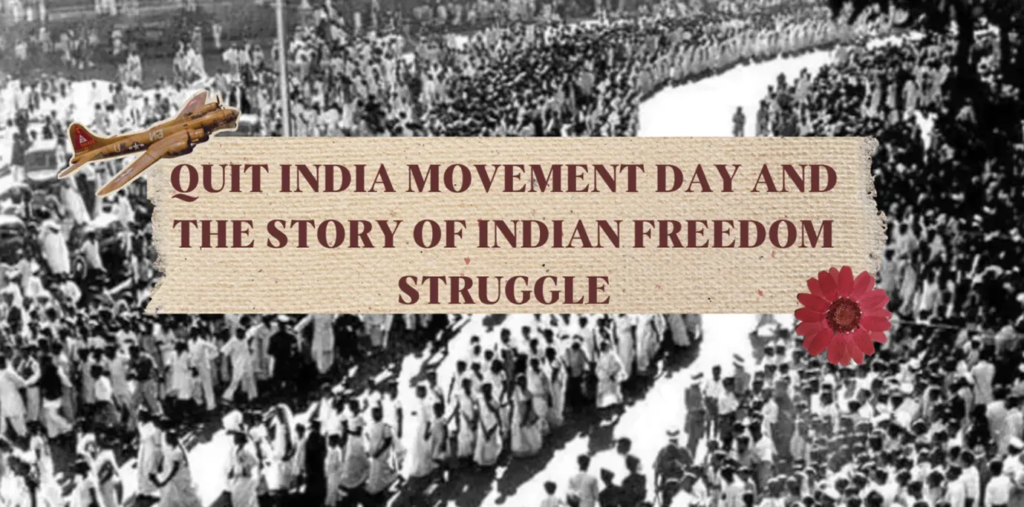
    In 1942, during the height of WWII, Gandhi launched the Quit India Movement, giving the slogan “Do or Die.” The British responded by arresting the entire Congress leadership.

    As independence neared, Gandhi’s greatest heartbreak was the looming Partition. While politicians argued in Delhi, Gandhi walked barefoot through the riot-torn villages of Noakhali, using his presence to stop communal massacres. He called the partition a “spiritual tragedy.”

    7. Martyrdom and Global Legacy

    Mahatma Gandhi: The Apostle of Truth and Non-Violence(1869)
    Mahatma Gandhi: The Apostle of Truth and Non-Violence(1869)

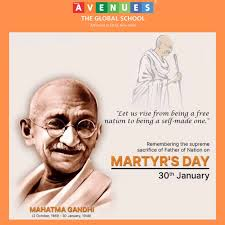
    On January 30, 1948, Gandhi was assassinated by Nathuram Godse, a Hindu extremist. His last words were reportedly “He Ram” (Oh God).

    His death sparked a global mourning. Albert Einstein famously said of him, “Generations to come will scarce believe that such a one as this ever in flesh and blood walked upon this earth.”

    Gandhi’s influence did not end in 1948. His tactics were the blueprint for:

    • Martin Luther King Jr. during the American Civil Rights Movement.
    • Nelson Mandela in the fight against Apartheid.
    • The Green Movement and advocates for sustainable living.

    Conclusion: The Relevance of Gandhi Today

    Mahatma Gandhi: The Apostle of Truth and Non-Violence(1869)
    Mahatma Gandhi: The Apostle of Truth and Non-Violence(1869)

    In an age of digital polarization and global conflict, Gandhi’s message of dialogue over destruction is more relevant than ever. He proved that an individual, armed only with a sense of justice and a willingness to suffer for it, could bring the world’s greatest empire to its knees. He remains a symbol of the “small voice” that can change the world.


    Would you like me to expand on a specific section—such as his time in South Africa or his economic views—to bring this closer to a full-length chapter?

  • INDIRA GHANDHI(1917)

    INDIRA GHANDHI(1917)
    INDIRA GHANDHI(1917)

    https://www.google.com/search?q=INDIRA+GHANDHI(1917)&rlz=1C1CHBD_enIN1196IN1202&oq=INDIRA+GHANDHI(1917)&gs_lcrp=EgZjaHJvbWUyBggAEEUYOTIGCAEQRRg8MgYIAhBFGD3SAQkxNTEyajBqMTWoAgiwAgHxBalLsMr61QU1&sourceid=chrome&ie=UTF-8

    Introduction

    Indira Gandhi was one of the most powerful and influential political leaders in modern India. Serving as Prime Minister for multiple terms between 1966–1977 and 1980–1984, she shaped the nation’s political direction with bold decisions, strong leadership, and controversial policies. As India’s first and only woman Prime Minister, she broke gender barriers while leaving behind a complex and debated legacy.


    INDIRA GHANDHI(1917)
    INDIRA GHANDHI(1917)

    Indira Gandhi was born on November 19, 1917, into the prominent Nehru family. Her father, Jawaharlal Nehru, played a central role in India’s independence movement, and her upbringing was deeply influenced by nationalist ideals.

    Growing up during the freedom struggle, she witnessed political arrests, protests, and the sacrifices made by leaders. This exposure shaped her resilience and interest in politics. She later became actively involved in the Indian National Congress, eventually rising within its ranks.


    INDIRA GHANDHI(1917)

    After the death of Lal Bahadur Shastri in 1966, Indira Gandhi was chosen as Prime Minister. Initially underestimated by senior party leaders, she was labeled a weak figure. However, she quickly proved her leadership abilities by asserting independence and consolidating power within the government and the Congress party.


    INDIRA GHANDHI(1917)

    One of Indira Gandhi’s major contributions was her focus on economic reform aimed at reducing poverty. She adopted socialist-oriented policies to strengthen state control over key sectors.

    A landmark decision was the nationalization of major banks in 1969. This move aimed to ensure that financial resources reached rural areas, farmers, and small industries. It strengthened her pro-poor image and increased her popularity among the masses.

    Her famous slogan “Garibi Hatao” (Eradicate Poverty) became a central theme of her political campaigns. Various welfare programs and land reforms were introduced, though their success remains debated.INDIRA GHANDHI(1917)


    INDIRA GHANDHI(1917)

    Indira Gandhi’s leadership reached its peak during the 1971 Indo-Pakistani War. Her decisive actions led to the creation of Bangladesh.

    She handled the refugee crisis and provided support to the Bengali liberation movement. India’s victory enhanced her global reputation, and she was seen as a strong and decisive leader. This period marked the height of her popularity.INDIRA GHANDHI(1917)


    INDIRA GHANDHI(1917)

    Indira Gandhi’s leadership style was characterized by strong centralization. Decision-making became concentrated in the Prime Minister’s office, reducing the influence of party leaders and institutions.

    While this allowed quick implementation of policies, it also weakened democratic processes and reduced internal party democracy within the Congress.


    INDIRA GHANDHI(1917)

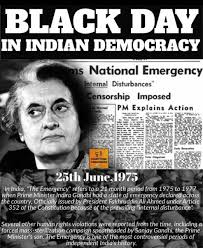
    The most controversial phase of her leadership was the declaration of the The Emergency in India.

    Facing political opposition and a court ruling against her election, Indira Gandhi imposed Emergency rule in 1975. During this period:

    • Civil liberties were suspended
    • Political opponents were jailed
    • Press censorship was enforced

    Although some supporters claim it brought discipline and economic stability, critics consider it a major attack on democracy. Forced sterilization campaigns and slum demolitions further damaged her image.


    Electoral Defeat and Comeback

    INDIRA GHANDHI(1917)

    In 1977, Indira Gandhi called for elections but suffered a major defeat as the Congress party lost power. This marked the first time a non-Congress government ruled India.

    However, her political resilience was remarkable. She rebuilt her support base and returned to power in 1980 with a strong mandate, demonstrating her enduring influence over Indian politics.


    Challenges in the Later Years

    During her second term, Indira Gandhi faced serious internal challenges, including regional unrest and separatist movements.

    One of the most critical issues was the insurgency in Punjab. In 1984, she ordered Operation Blue Star to remove militants from the Golden Temple.

    Although the operation achieved its objective, it caused significant damage and angered the Sikh community, leading to severe political consequences.


    Assassination and Aftermath

    On October 31, 1984, Indira Gandhi was assassinated by her own bodyguards in retaliation for Operation Blue Star.

    Her death led to widespread anti-Sikh riots across India, causing immense loss of life and property. This tragic event marked a turning point in India’s political and social history.


    Foreign Policy and Global Role

    Indira Gandhi played a significant role in strengthening India’s global position. She followed a policy of non-alignment but maintained close relations with the Soviet Union during the Cold War.

    Her leadership during international crises and her firm diplomatic stance enhanced India’s reputation as a strong and independent nation.


    Contributions to Science and National Development

    Under her leadership, India made significant progress in science and technology. A notable achievement was the 1974 nuclear test, which established India as a nuclear-capable nation.

    She also supported industrial growth, agricultural development, and infrastructure expansion, contributing to India’s long-term progress.


    Leadership Style

    Indira Gandhi was known for her strong, decisive, and sometimes authoritarian leadership style. She relied on a close circle of advisors and often made bold decisions independently.

    Her ability to take risks and act decisively helped her handle crises effectively, but it also led to criticism for weakening democratic institutions.


    Legacy

    Indira Gandhi’s legacy is complex and multifaceted. She is remembered as:

    • A strong and decisive leader
    • A champion of the poor
    • A central figure in shaping modern India

    At the same time, she is criticized for:

    • Imposing the Emergency
    • Centralizing power
    • Undermining democratic processes

    Conclusion

    Indira Gandhi remains one of the most significant political leaders in Indian history. Her tenure was marked by major achievements as well as serious controversies.

    As a leader, she demonstrated courage, determination, and political skill, but her actions also highlighted the dangers of excessive concentration of power. Her life continues to serve as both an inspiration and a cautionary example in the study of political leadership.

    Feature Details
    Full NameIndira Priyadarshini Gandhi (née Nehru)
    Birth19 November 1917, Allahabad, India
    ParentsJawaharlal Nehru (1st PM of India) & Kamala Nehru
    SpouseFeroze Gandhi (m. 1942; d. 1960)
    ChildrenRajiv Gandhi, Sanjay Gandhi
    Political PartyIndian National Congress
    Tenure as PM24 Jan 1966 – 24 March 1977; 14 Jan 1980 – 31 Oct 1984
    Key AchievementsLed 1971 war (created Bangladesh), Green Revolution, Bank Nationalization
    Key Controversies1975-1977 National Emergency, Operation Blue Star
    NicknamesIron Lady of India, Mother Indira
    AwardsBharat Ratna (1971)
  • Ambedkar Jayanti(1891)

    Introduction

    Ambedkar Jayanti(1891)

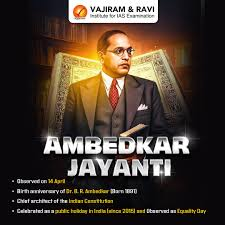
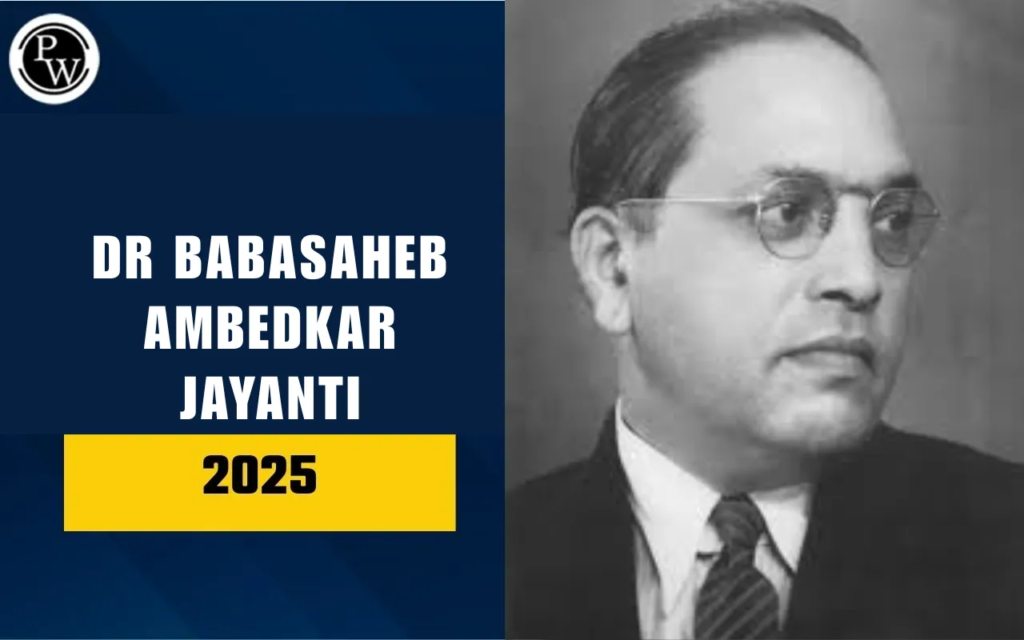
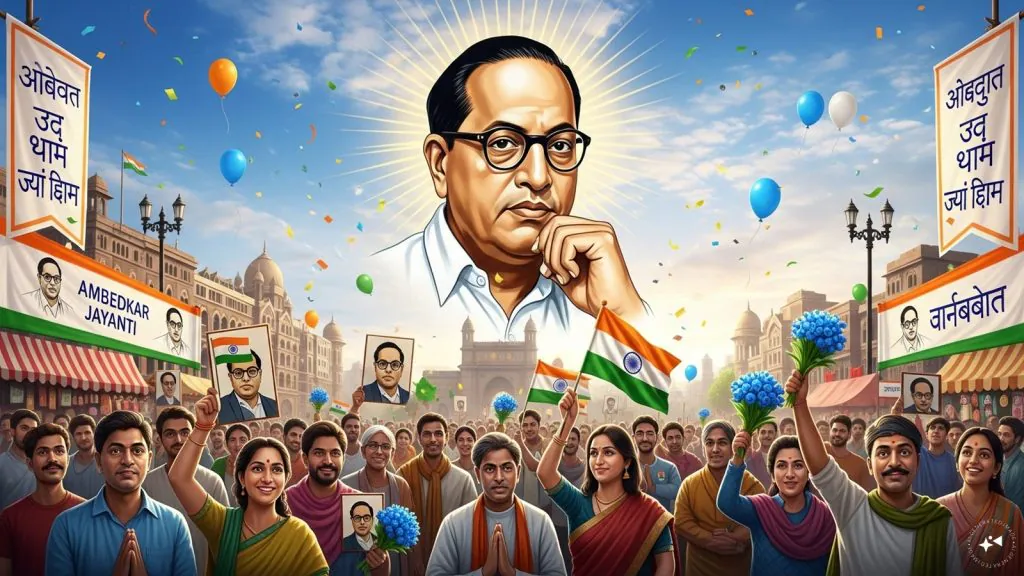
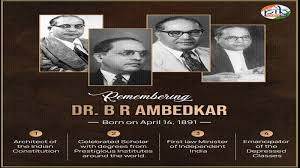
    Ambedkar Jayanti(1891) Bhimrao Ramji Ambedkar, popularly known as Dr. B. R. Ambedkar, is one of the most influential figures in Indian history. His birth anniversary, celebrated as Ambedkar Jayanti on April 14 every year, holds immense significance across India and among Indian communities worldwide. This day is not just a remembrance of his birth but a celebration of his contributions toward social justice, equality, and the upliftment of marginalized communities.

    Ambedkar Jayanti is observed with great enthusiasm, especially by those who continue to draw inspiration from his life and ideals. The day serves as a reminder of the struggles faced by millions of people due to social discrimination and highlights the importance of equality, education, and human rights.


    Historical Background

    Ambedkar Jayanti(1891)
    Ambedkar Jayanti(1891)

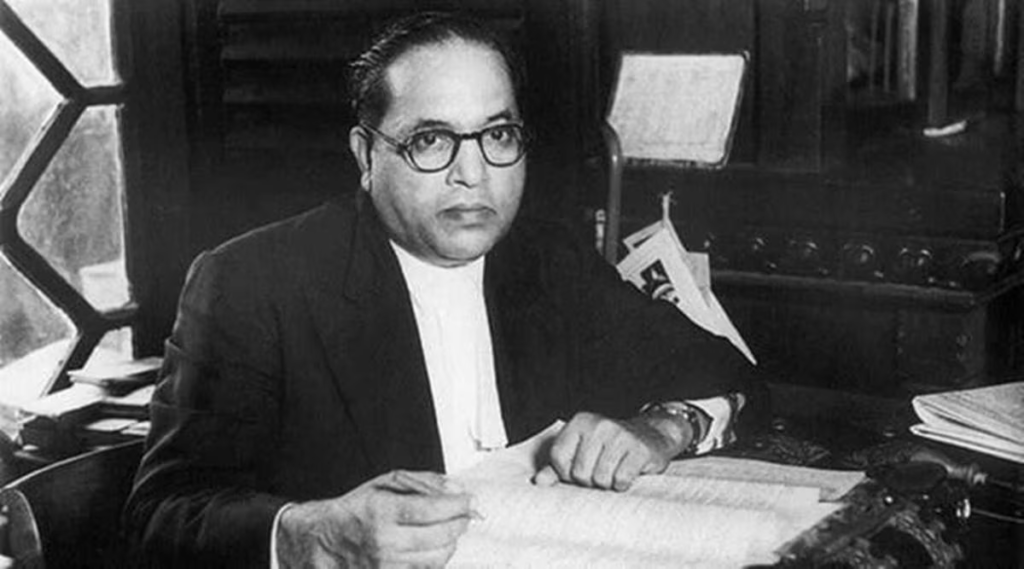
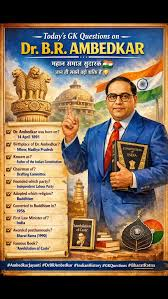
    Dr. B. R. Ambedkar was born on April 14, 1891, in Mhow (present-day Madhya Pradesh). He belonged to a Dalit (formerly “untouchable”) community, which faced severe social discrimination in the traditional caste system of India. From a very young age, Ambedkar experienced untouchability and exclusion, which deeply influenced his vision and determination to fight against injustice.

    Ambedkar Jayanti(1891) Despite facing immense challenges, Ambedkar pursued education with exceptional dedication. He studied at prestigious institutions such as Columbia University and the London School of Economics. His academic excellence and exposure to global ideas shaped his perspective on democracy, equality, and human rights.

    Ambedkar Jayanti began to be celebrated widely after his death in 1956, as people recognized his contributions and legacy. Today, it is observed as a national event with widespread participation.


    Significance of Ambedkar Jayanti

    Ambedkar Jayanti(1891)
    Ambedkar Jayanti(1891)

    Ambedkar Jayanti(1891) Ambedkar Jayanti holds deep social, political, and cultural importance. It is not just a day of celebration but also one of reflection and commitment to the ideals Ambedkar stood for.

    1. Symbol of Social Justice

    Ambedkar Jayanti(1891) Ambedkar devoted his life to fighting against caste-based discrimination. His efforts aimed at creating a society where individuals are treated equally regardless of caste, religion, or gender. Ambedkar Jayanti reminds people of the importance of justice and fairness in society.

    2. Celebration of Equality

    Ambedkar Jayanti(1891) The day emphasizes the constitutional guarantee of equality. Ambedkar believed that equality was not just a legal principle but a moral necessity. His work ensured that every citizen of India has equal rights under the law.

    3. Inspiration for Education

    Ambedkar strongly advocated education as the key to empowerment. His famous slogan, “Educate, Agitate, Organize,” continues to inspire millions. Ambedkar Jayanti encourages people, especially youth, to pursue education and knowledge.

    4. Tribute to the Architect of the Constitution

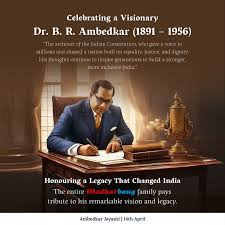
    Dr. Ambedkar was the chief architect of the Indian Constitution. His role in drafting the Constitution ensured the inclusion of fundamental rights and safeguards for marginalized communities. This day honors his monumental contribution to the nation.


    Ambedkar Jayanti(1891)

    One of the most significant contributions of Dr. B. R. Ambedkar was his role in framing the Constitution of India. As the chairman of the Drafting Committee, he played a crucial role in shaping the legal and democratic framework of the country.

    The Constitution reflects his vision of a just and equal society. It includes:

    • Fundamental Rights ensuring equality before the law
    • Provisions against discrimination
    • Safeguards for minorities and weaker sections
    • Right to education and freedom of expression

    Ambedkar’s foresight ensured that India became a democratic republic where every citizen has rights and responsibilities. Ambedkar Jayanti is a reminder of these foundational principles.


    Celebrations Across India

    Ambedkar Jayanti(1891)
    Ambedkar Jayanti(1891)

    Ambedkar Jayanti is celebrated with great enthusiasm across the country, particularly in states like Maharashtra, Uttar Pradesh, Tamil Nadu, and Madhya Pradesh.

    1. Public Gatherings and Processions

    People organize rallies, processions, and marches to honor Ambedkar. His statues and portraits are decorated with flowers, and people pay tribute by offering garlands.

    2. Cultural Programs

    Schools, colleges, and community organizations host cultural events such as speeches, debates, essay competitions, and plays highlighting Ambedkar’s life and contributions.

    3. Government Observances

    The Government of India officially observes Ambedkar Jayanti. Leaders pay homage at memorials, especially at Deekshabhoomi in Nagpur and Chaitya Bhoomi in Mumbai.

    4. Social Initiatives

    Many organizations conduct social service activities such as blood donation camps, educational seminars, and awareness programs to promote equality and justice.


    Global Observance

    Ambedkar Jayanti is not limited to India. It is celebrated by Indian communities worldwide, including in countries like the United States, the United Kingdom, Canada, and Japan.

    In 2015, the United Nations recognized Ambedkar’s contributions, and his birth anniversary has been observed globally as a day promoting equality and human rights. This highlights the universal relevance of his ideas.


    Ambedkar’s Ideology

    Dr. Ambedkar’s ideology was rooted in the principles of liberty, equality, and fraternity. These values were inspired by democratic ideals and shaped his vision for India.

    1. Liberty

    Ambedkar believed in individual freedom, including freedom of thought, expression, and action. He emphasized that liberty is essential for human dignity.

    2. Equality

    He strongly opposed caste-based discrimination and worked tirelessly to ensure equal opportunities for all citizens.

    3. Fraternity

    Ambedkar stressed the importance of unity and brotherhood among people. He believed that without fraternity, liberty and equality would not be sustainable.


    Challenges Faced by Ambedkar

    Despite his achievements, Ambedkar faced numerous challenges throughout his life:

    • Social discrimination due to caste
    • Resistance from orthodox sections of society
    • Political opposition to his reforms
    • Personal struggles and hardships

    However, he overcame these obstacles through determination, education, and resilience. His life story serves as a powerful example of perseverance.


    Relevance in Modern Times

    Ambedkar Jayanti continues to be relevant in today’s world. While significant progress has been made, issues like inequality, discrimination, and social injustice still exist.

    1. Fight Against Discrimination

    Ambedkar’s teachings inspire ongoing efforts to eliminate caste-based and other forms of discrimination.

    2. Importance of Education

    In the modern era, education remains a crucial tool for empowerment, just as Ambedkar emphasized.

    3. Democratic Values

    His ideas continue to guide India’s democratic system and institutions.


    Ambedkar and Social Reforms

    Ambedkar was not just a political leader but also a social reformer. He worked for:

    • Abolition of untouchability
    • Women’s rights and gender equality
    • Labor rights and fair working conditions
    • Economic reforms for the poor

    His efforts laid the foundation for a more inclusive society.


    Ambedkar’s Conversion to Buddhism

    In 1956, Ambedkar converted to Buddhism along with thousands of his followers. He chose Buddhism because he believed it promoted equality and rejected caste discrimination.

    This event marked a significant moment in Indian history and symbolized a rejection of oppressive social structures.


    Educational Contributions

    Ambedkar Jayanti(1891)

    Ambedkar established several educational institutions and advocated for access to education for all sections of society. He believed that education is the most powerful weapon for social change.

    His own academic achievements continue to inspire students across the world.


    Conclusion

    Ambedkar Jayanti is more than just a commemorative day; it is a celebration of the ideals of justice, equality, and human dignity. The life and work of Bhimrao Ramji Ambedkar continue to inspire generations to strive for a better and more inclusive society.

    As we celebrate Ambedkar Jayanti, it is important to reflect on his teachings and work toward building a society free from discrimination and inequality. By embracing his values, we can contribute to the vision of a just and equitable world that he dreamed of.


    If you want, I can also convert this into a speech, short note, or exam-ready answer 👍

  • Dr. A. P. J. Abdul Kalam(1931)

    Introduction

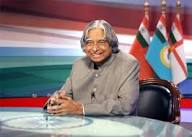
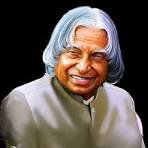
    Dr. A. P. J. Abdul Kalam(1931) A. P. J. Abdul Kalam was one of India’s greatest scientists and most respected leaders. Known as the “Missile Man of India,” he played a crucial role in strengthening the country’s defense and space capabilities. He later became the 11th President of India and was loved by people of all ages, especially students. His life is a perfect example of hard work, dedication, and simplicity.

    Dr. A. P. J. Abdul Kalam(1931)
    Dr. A. P. J. Abdul Kalam(1931)

    Early Life

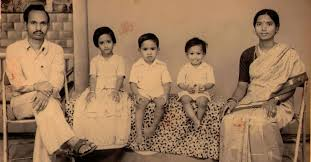
    Dr. Kalam was born on October 15, 1931, in Rameswaram. He came from a humble and financially modest family. His father, Jainulabdeen, was a boat owner, and his mother, Ashiamma, was a caring homemaker. Despite financial struggles, his parents instilled strong moral values in him. As a young boy, Kalam helped support his family by selling newspapers while continuing his education.

    Dr. A. P. J. Abdul Kalam(1931)
    Dr. A. P. J. Abdul Kalam(1931)

    Education

    Dr. A. P. J. Abdul Kalam(1931) Abdul Kalam completed his schooling in his hometown and later moved to Ramanathapuram for further studies. He developed a deep interest in science and mathematics. He graduated in physics from St. Joseph’s College and then studied aerospace engineering at the Madras Institute of Technology. His education laid the foundation for his successful scientific care.

    Scientific Career

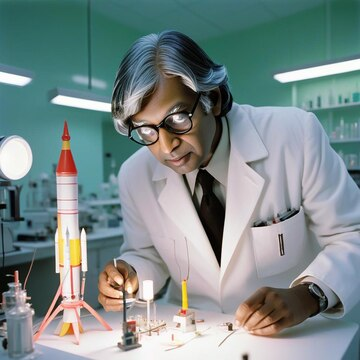
    Dr. A. P. J. Abdul KalamDr. Kalam began his career at the DRDO and later joined ISRO. At ISRO, he was a key figure in the development of India’s first Satellite Launch Vehicle (SLV-III), which successfully launched the Rohini satellite. His work marked a significant milestone in India’s space journey.


    Missile Development

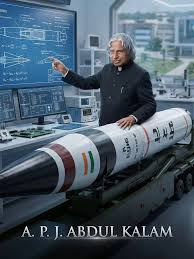
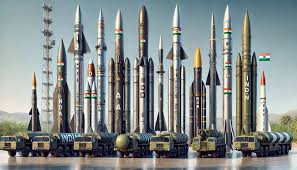
    Kalam earned the title “Missile Man of India” due to his leadership in the development of advanced missiles. He was the chief architect of the Integrated Guided Missile Development Programme (IGMDP). Under his guidance, important missiles like Agni and Prithvi were developed. His contributions greatly strengthened India’s defense system.


    Role in Nuclear Tests

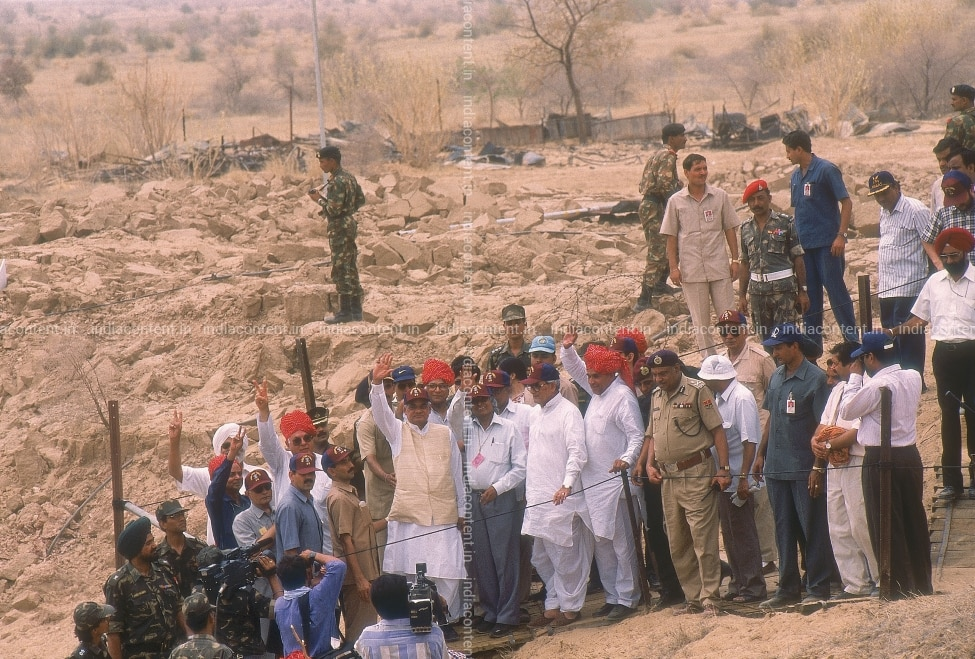
    Dr. Kalam played a vital role in the Pokhran-II Nuclear Tests. These tests made India a nuclear power and demonstrated its scientific and technological strength to the world. His leadership during this period was highly appreciated.


    Presidency

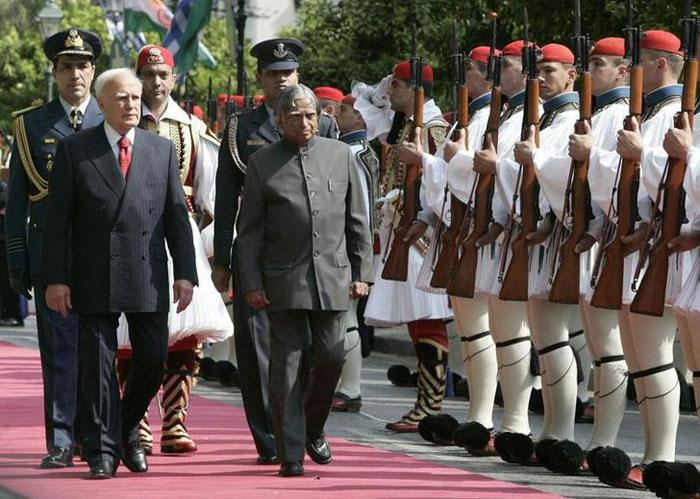
    In 2002, Dr. Kalam became the 11th President of India. He served the nation until 2007. Unlike many other presidents, he was deeply connected with the people and was known as the “People’s President.” He focused on education, youth empowerment, and national development during his tenure.


    Love for Students

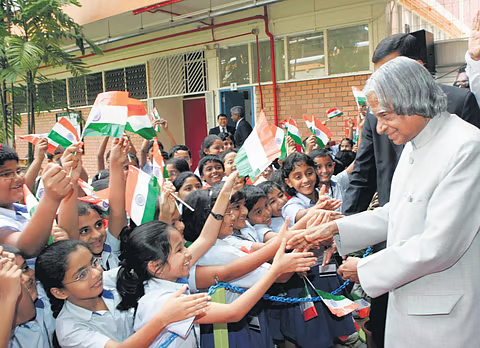
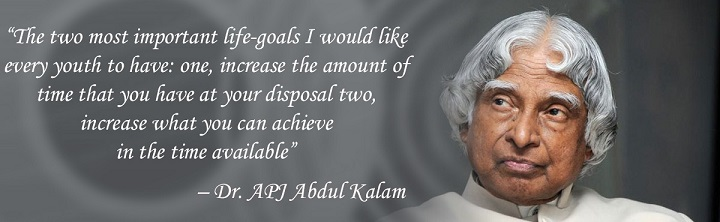
    Dr. Kalam had a special affection for students and young people. He believed that the youth were the future of the nation. He traveled across India, visiting schools and colleges to motivate students. His speeches encouraged them to dream big and work hard to achieve their goals.


    Books and Writings

    Dr. Kalam was also a great author. His famous autobiography, Wings of Fire, tells the story of his life and struggles. Other important books written by him include Ignited Minds and India 2020. His books continue to inspire millions of readers.


    Awards and Honors

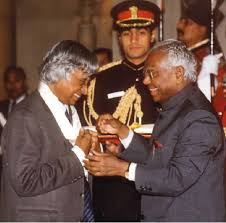
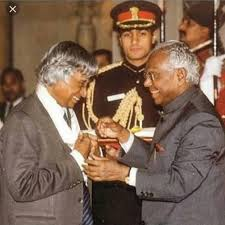
    Dr. Kalam received many prestigious awards for his contributions. He was honored with the Bharat Ratna in 1997. He also received the Padma Bhushan and Padma Vibhushan. These awards recognized his edication to science and the nation.


    Simplicity and Values

    Despite his great achievements, Dr. Kalam lived a simple and humble life. He believed in honesty, discipline, and hard work. He had no interest in wealth or luxury and always remained grounded. His life teaches us the importance of good values and character.


    Death and Legacy

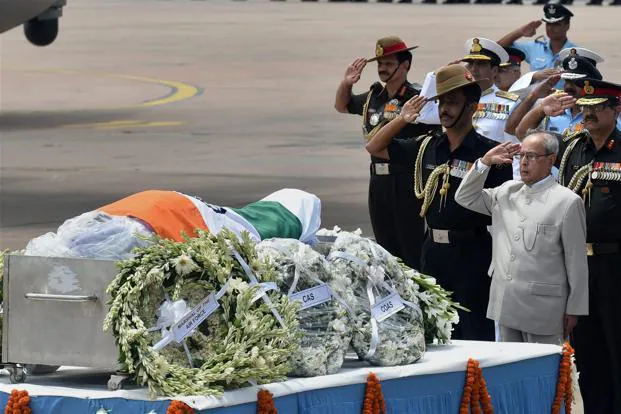
    Dr. Kalam passed away on July 27, 2015, while delivering a lecture at Indian Institute of Management Shillong. His death was a great loss to the nation. However, his legacy continues to inspire millions. He will always be remembered as a great scientist, a visionary leader, and a true role model.


    Conclusion

    In conclusion, Dr. A. P. J. Abdul Kalam was an extraordinary individual who dedicated his life to the service of the nation. His journey from a small town to becoming the President of India is truly inspiring. His teachings, values, and vision will continue to guide future generations. He remains a symbol of knowledge, humility, and inspiration for all.

  • Apj abdul kalam(2026)

    Birth Place: Rameswaram, Tamil Nadu, India

    Apj abdul kalam(2026)
    Apj abdul kalam(2026)

    A. P. J. Abdul Kalam

    Avul Pakir Jainulabdeen Abdul Kalam, popularly known as A. P. J. Abdul Kalam, was one of India’s most respected scientists and the 11th President of India. Revered as the “Missile Man of India,” he played a pivotal role in shaping the country’s space and defense capabilities. Beyond his scientific achievements, Kalam became a symbol of humility, vision, and inspiration, especially for young people. His life story—from a modest childhood to the highest constitutional office in India—is a powerful testament to perseverance, education, and dedication to national service.

    Early Life and Family Background

    Apj abdul kalam(2026)

    A. P. J. Abdul Kalam was born on October 15, 1931, in the small town of Rameswaram, located on Pamban Island in the southern state of Tamil Nadu. His father, Jainulabdeen, was a boat owner and imam at a local mosque, while his mother, Ashiamma, was a homemaker known for her kindness and generosity. Kalam grew up in a close-knit, modest Muslim family that valued discipline, faith, and compassion.

    Despite financial challenges, Kalam’s parents ensured that he received a good education. As a child, he was curious, hardworking, and deeply interested in learning. To support his family, young Kalam sold newspapers after school. This early experience instilled in him a strong work ethic and sense of responsibility.

    Education and Early Aspirations

    Kalam attended Schwartz Higher Secondary School in Ramanathapuram, where he developed a keen interest in science and mathematics. His teachers recognized his potential and encouraged him to pursue higher education. One of his mentors, Iyadurai Solomon, played a crucial role in shaping his character and instilling confidence.

    He went on to study physics at St. Joseph’s College, Tiruchirappalli, graduating in 1954. However, Kalam soon realized that his true passion lay in engineering. He then enrolled at Madras Institute of Technology (MIT), where he specialized in aeronautical engineering. It was here that his fascination with flight and aerospace technology took root.

    At MIT, Kalam worked on a project to design a small aircraft. His dedication and determination impressed his professors, and this experience laid the foundation for his future career in aerospace and defense.

    Early Career and Entry into DRDO and ISRO

    After completing his education, Kalam joined the Defence Research and Development Organisation (DRDO) in 1958. Initially, he worked on designing small hovercrafts, but he found the work less fulfilling than he had hoped. His career took a significant turn when he joined the Indian Space Research Organisation (ISRO) in 1969.

    At ISRO, Kalam became the project director of India’s first indigenous satellite launch vehicle, the SLV-III. Under his leadership, the SLV-III successfully deployed the Rohini satellite into near-Earth orbit in 1980. This achievement marked India’s entry into the spacefaring nations of the world and established Kalam as a leading figure in the country’s scientific community.

    Missile Development and National Recognition

    Kalam returned to DRDO in the early 1980s and became the chief executive of the Integrated Guided Missile Development Programme (IGMDP). This ambitious initiative aimed to develop a range of indigenous missiles for India’s defense.

    Under his leadership, India successfully developed several key missile systems, including:

    • Agni – a series of long-range ballistic missiles
    • Prithvi – a tactical surface-to-surface missile

    These achievements earned Kalam the nickname “Missile Man of India.” His contributions significantly strengthened India’s strategic defense capabilities and reduced reliance on foreign technology.

    Role in India’s Nuclear Program

    Kalam also played a crucial role in India’s nuclear tests conducted in 1998 at Pokhran. Known as the Pokhran-II nuclear tests, these tests established India as a nuclear power. Kalam served as the Chief Scientific Adviser to the Prime Minister and was instrumental in coordinating the scientific and technical aspects of the operation.

    The success of Pokhran-II brought him national acclaim and further solidified his reputation as a visionary scientist and leader.

    Presidency (2002–2007)

    In 2002, Kalam was elected as the 11th President of India. His presidency was marked by simplicity, accessibility, and a strong focus on youth empowerment. Unlike many traditional politicians, Kalam connected deeply with students and young people, often addressing them directly and encouraging them to dream big.

    He became widely known as the “People’s President” because of his approachable nature and efforts to engage with citizens across the country. During his tenure, he emphasized the importance of education, innovation, and national development.

    Kalam also advocated for a vision called “India 2020,” which aimed to transform India into a developed nation through technological advancement, economic growth, and social progress.

    Life After Presidency

    After completing his term in 2007, Kalam continued to inspire millions through his lectures, writings, and interactions with students. He held visiting professorships at various institutions and remained actively involved in promoting education and research.

    He authored several influential books, including:

    • Wings of Fire – his autobiography detailing his early life and career
    • Ignited Minds – focusing on empowering India’s youth
    • India 2020 – outlining his vision for the nation

    These works continue to inspire readers worldwide, particularly students and aspiring professionals.

    Personality and Values

    Kalam was known for his humility, integrity, and strong moral values. Despite his immense achievements, he lived a simple life and remained deeply grounded. He was a vegetarian, a spiritual person, and someone who believed in the unity of religions.

    He often spoke about the importance of dreams, hard work, and perseverance. One of his most famous quotes is: “Dream, dream, dream. Dreams transform into thoughts and thoughts result in action.”

    Kalam’s ability to connect science with spirituality and his emphasis on ethical leadership made him a unique figure in public life.

    Awards and Honors

    Throughout his life, Kalam received numerous awards and honors for his contributions to science and society. Some of the most notable include:

    • Bharat Ratna (1997)
    • Padma Vibhushan (1990)
    • Padma Bhushan (1981)

    He also received honorary doctorates from several universities around the world.

    Death and Legacy

    A. P. J. Abdul Kalam passed away on July 27, 2015, while delivering a lecture at the Indian Institute of Management Shillong. His sudden demise shocked the nation, but it also symbolized his lifelong commitment to education and youth.

    Kalam’s legacy continues to live on through his contributions to science, his vision for India, and the countless lives he inspired. He remains a role model for millions, especially young people who aspire to achieve greatness through knowledge and hard work.

    Conclusion

    The life of A. P. J. Abdul Kalam is a remarkable journey of determination, innovation, and service. From a humble beginning in Rameswaram to becoming the President of India, he exemplified the power of dreams and the importance of perseverance. His contributions to India’s space and defense programs transformed the nation’s technological landscape, while his teachings continue to inspire generations.

    Kalam’s story is not just a biography—it is a source of motivation. It reminds us that with dedication, humility, and a clear vision, anyone can overcome obstacles and make a meaningful impact on society.

    https://ritacharitabletrust.com/wp-admin/post.php?post=190&action=edit

  • Satuaani Festival(14 April 2026)

    A Celebration of Harvest, Tradition, and Rural Life

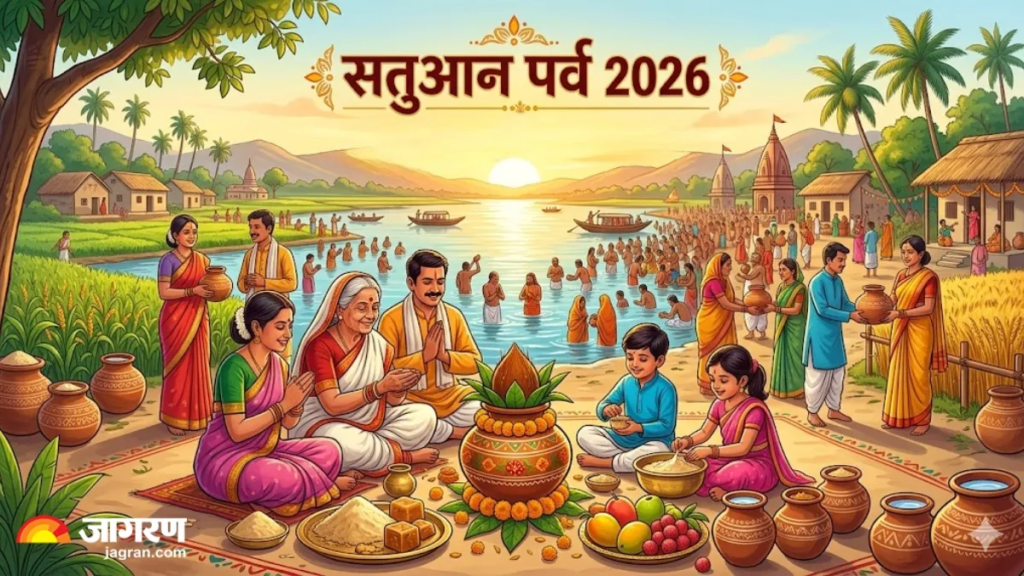
    Satuaani Festival(14 April 2026) Satuaani (also spelled Satuani or Satua Sankranti) is a vibrant and culturally rich festival celebrated primarily in parts of eastern India, especially in Bihar, Jharkhand, eastern Uttar Pradesh, and some regions of West Bengal. Observed annually around mid-April, the festival coincides with the solar transition into the Hindu month of Vaishakh, marking a significant seasonal shift. Deeply rooted in agrarian traditions, Satuaani is both a thanksgiving ceremony for the harvest and a symbolic welcoming of the summer season. Though simple in its rituals, the festival holds profound cultural, social, and nutritional significance for rural communities.

    Satuaani Festival(14 April 2026)
    Satuaani Festival(14 April 2026)

    Historical and Cultural Background

    Satuaani has its origins in the agricultural lifestyle of the Indian subcontinent. For centuries, farming communities have relied heavily on seasonal cycles, and festivals like Satuaani emerged as a way to mark important transitions in nature. The festival is celebrated on the day of Mesh Sankranti, when the sun enters the zodiac sign of Aries. This astronomical event is considered auspicious and is associated with new beginnings, prosperity, and the onset of warmer days.

    The word “Satuaani” comes from “sattu,” a traditional flour made from roasted gram (chana) or barley. Sattu has been a staple food in rural India for generations due to its high nutritional value, cooling properties, and ease of preparation. The festival revolves around the consumption and sharing of sattu, making it both a culinary and cultural celebration.

    Significance of the Festival

    Satuaani holds multiple layers of significance:

    1. Agricultural Importance:
      The festival marks the end of the rabi crop season and the beginning of summer. Farmers celebrate the successful harvest and pray for continued prosperity in the coming agricultural cycles.
    2. Seasonal Transition:
      As temperatures begin to rise, the festival emphasizes the importance of consuming cooling foods like sattu, curd, and raw mango chutney. These foods help the body adapt to the heat and prevent seasonal illnesses.
    3. Social Bonding:
      Satuaani is a community-oriented festival. Families gather, neighbors exchange food, and people visit relatives. The sharing of sattu-based dishes symbolizes unity and mutual care.
    4. Spiritual Aspect:
      Many devotees take holy dips in rivers and offer prayers to the sun god. The act of giving (daan), especially food and water, is considered highly पुण्य (meritorious) on this day.

    Rituals and Traditions

    The rituals of Satuaani are simple yet meaningful, reflecting the lifestyle of rural communities:

    Satuaani Festival(14 April 2026)
    Satuaani Festival(14 April 2026)
    • Morning Bath and Worship:
      People wake up early, bathe (often in rivers or ponds), and offer prayers to the sun. Water, flowers, and grains are offered as symbols of gratitude.
    • Preparation of Sattu:
      Sattu is prepared in various forms—mixed with water, jaggery, and lemon to make a refreshing drink, or kneaded into dough to make litti or stuffed rotis.
    • Offering to Deities:
      A portion of the prepared food is first offered to deities and ancestors before being consumed.
    • Charity and Donations:
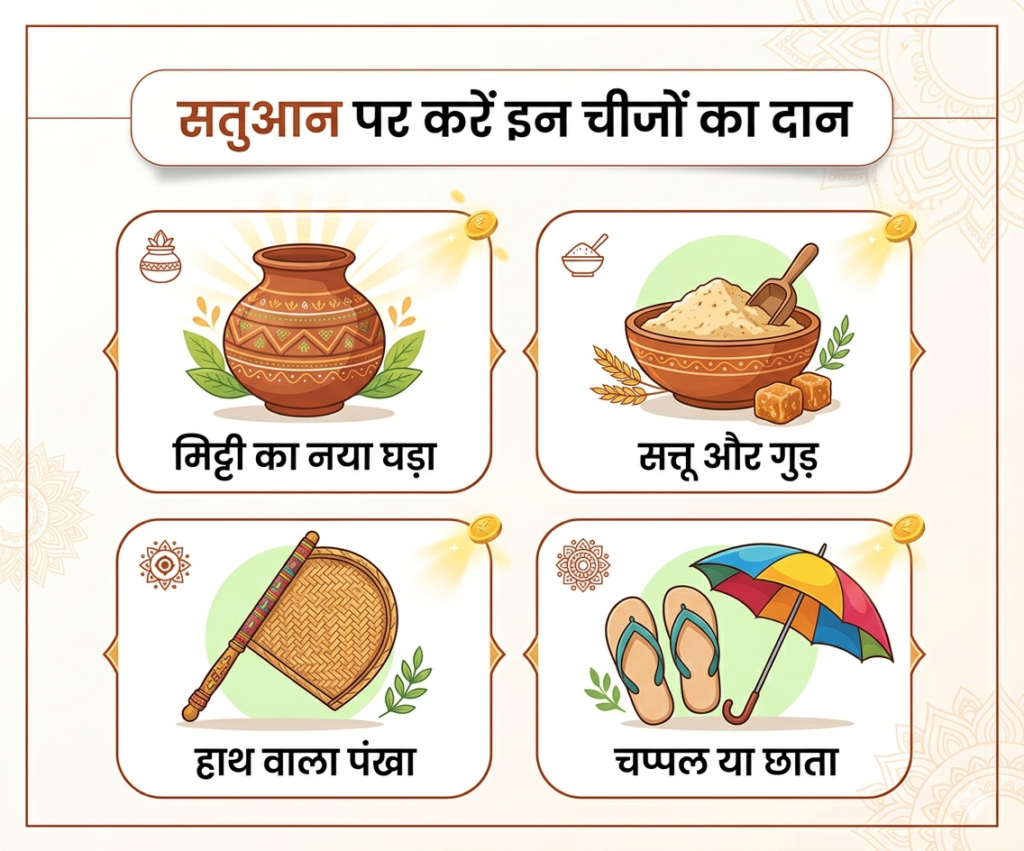
      Donating sattu, water, fruits, and clothes to the needy is an important part of the festival.
    • Community Meals:
      Families and communities often eat together, reinforcing bonds and sharing joy.

    Traditional Foods of Satuaani

    Food plays a central role in Satuaani, and the menu is both nutritious and suited for the summer season:

    • Sattu Drink (Sattu Sharbat):
      A cooling beverage made by mixing sattu with water, salt or sugar, lemon, and spices. It is refreshing and energy-boosting.
    • Litti with Sattu Filling:
      A popular dish in Bihar, litti is made from wheat dough stuffed with spiced sattu and baked over fire.
    • Chokha:
      A side dish made from mashed vegetables like roasted eggplant, potatoes, or tomatoes, often served with litti.
    • Raw Mango Chutney:
      Tangy and refreshing, it complements the sattu-based dishes.
    • Curd and Jaggery:
      These are commonly consumed for their cooling and digestive properties.

    These foods are not only delicious but also reflect indigenous knowledge about nutrition and seasonal eating.

    Regional Variations

    Though the essence of Satuaani remains the same, its celebration varies slightly across regions:

    • Bihar:
      The festival is widely celebrated with great enthusiasm. Sattu is the highlight, and people emphasize charity and community meals.
    • Eastern Uttar Pradesh:
      Known as Satuwa Sankranti, the customs are similar, with added emphasis on ritual bathing and religious offerings.
    • Jharkhand:
      Tribal communities incorporate local traditions and dances into the celebration.
    • West Bengal:
      While not as prominent as other festivals, some rural areas observe similar practices, especially those influenced by neighboring Bihar.

    Health and Nutritional Importance

    One of the most remarkable aspects of Satuaani is its focus on health. Traditional foods consumed during the festival are perfectly aligned with the needs of the season:

    Satuaani Festival(14 April 2026)
    Satuaani Festival(14 April 2026)
    • Cooling Effect:
      Sattu helps regulate body temperature and prevents heatstroke.
    • High Protein Content:
      Roasted gram flour is rich in protein, making it an excellent energy source.
    • Digestive Benefits:
      The combination of sattu, curd, and spices aids digestion and keeps the body light.
    • Hydration:
      Sattu drinks and fruits help maintain hydration during hot weather.

    This demonstrates how traditional festivals often incorporate practical wisdom about health and environment.

    Social and Economic Impact

    Satuaani also has a subtle economic and social impact:

    Satuaani Festival(14 April 2026)
    Satuaani Festival(14 April 2026)
    • Support for Local Farmers:
      The use of locally grown grains like barley and gram supports agricultural communities.
    • Promotion of Indigenous Foods:
      The festival helps preserve traditional recipes and culinary practices.
    • Strengthening Community Ties:
      By encouraging sharing and togetherness, it fosters social harmony.
    • Minimalistic Celebration:
      Unlike many modern festivals that involve extravagant spending, Satuaani is simple and sustainable.

    Modern Relevance

    In today’s fast-paced and urbanized world, festivals like Satuaani remind us of the importance of simplicity, sustainability, and connection with nature. While urban populations may not celebrate it as widely, there is a growing interest in traditional foods like sattu due to their health benefits.

    Satuaani also aligns well with contemporary ideas of eco-friendly living. It involves minimal waste, relies on natural ingredients, and promotes mindful consumption. As people become more health-conscious, the festival’s emphasis on nutritious, seasonal food is gaining renewed relevance.

    Challenges and Preservation

    Despite its cultural importance, Satuaani faces challenges:

    Satuaani Festival(14 April 2026)
    • Urbanization:
      Migration to cities has reduced the number of people celebrating traditional rural festivals.
    • Changing Food Habits:
      Processed and fast foods are replacing traditional diets.
    • Lack of Awareness:
      Younger generations may not fully understand the significance of the festival.

    Efforts to preserve Satuaani include promoting it through cultural programs, social media, and educational initiatives. Documenting traditional recipes and rituals is also essential to keep the heritage alive.

    Conclusion

    Satuaani is more than just a festival—it is a reflection of India’s agrarian roots, cultural diversity, and traditional wisdom. It celebrates the harmony between humans and nature, emphasizing gratitude, health, and community. Through simple rituals and wholesome food, it teaches valuable lessons about sustainable living and the importance of seasonal adaptation.

    In a world increasingly dominated by technology and modern lifestyles, Satuaani stands as a gentle reminder of the beauty of simplicity and the richness of tradition. By preserving and celebrating such festivals, we not only honor our past but also create a more balanced and meaningful future.

    Ultimately, Satuaani is not just about eating sattu or marking a seasonal change—it is about coming together, appreciating nature’s gifts, and living in harmony with the rhythms of life.