Introduction
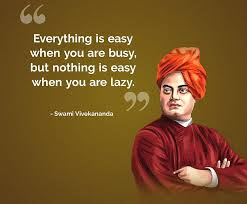
Swami Vivekananda was one of the most influential spiritual leaders and thinkers of modern India. He played a crucial role in introducing Indian philosophies of Vedanta and Yoga to the Western world. A disciple of Sri Ramakrishna, Vivekananda combined spirituality with social reform, inspiring millions through his teachings on self-confidence, service, and universal brotherhood. His life continues to be a source of inspiration for youth and spiritual seekers across the globe.
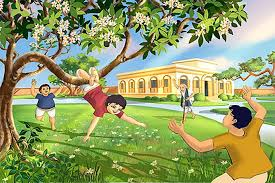
Swami Vivekananda was born as Narendranath Datta on India. He belonged to a well-educated and culturally rich family. His father, Vishwanath Datta, was a lawyer with progressive views, while his mother, Bhuvaneshwari Devi, was deeply religious and had a strong influence on his personality.
From a young age, Narendra was intelligent, curious, and energetic. He excelled in academics, music, and physical activities. His questioning mind often led him to ask deep philosophical questions about God, existence, and the purpose of life. This curiosity eventually set the stage for his spiritual journey.
Education and Intellectual Development
Narendra received his education at Presidency College and later at Scottish Church College in Kolkata. He studied Western philosophy, logic, history, and literature. Thinkers like Herbert Spencer, John Stuart Mill, and Hume influenced his intellectual growth.
Despite his exposure to Western ideas, Narendra struggled with doubts about religion. He sought logical answers rather than blind faith. His search for truth led him to ask spiritual leaders a simple yet profound question: “Have you seen God?” Most could not give a convincing answer—until he met Sri Ramakrishna.
Meeting with Sri Ramakrishna
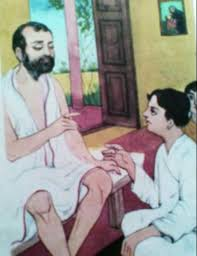
Narendra met Sri Ramakrishna at the Dakshineswar Kali Temple in Kolkata. This meeting changed the course of his life. When Narendra asked Ramakrishna whether he had seen God, the latter replied, “Yes, I see Him as clearly as I see you.”
Initially skeptical, Narendra gradually became convinced of Ramakrishna’s spiritual depth. Under his guidance, he experienced profound spiritual awakening. Ramakrishna taught him the unity of all religions and emphasized direct experience of the divine rather than mere rituals.
After Ramakrishna’s death in 1886, Narendra and other disciples formed a monastic brotherhood. It was during this time that he took the name Swami Vivekananda.
Spiritual Journey Across India
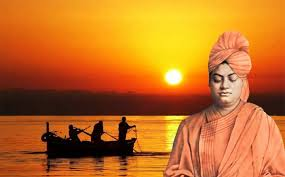
After becoming a monk, Vivekananda traveled extensively across India as a wandering ascetic. He observed the poverty, ignorance, and suffering of the people. These experiences deeply affected him and shaped his mission.
He realized that spirituality alone was not enough; social upliftment and education were equally important. He believed that true religion must address human suffering and empower individuals. His travels helped him understand India’s strengths and weaknesses, strengthening his resolve to work for national regeneration.
The Chicago Parliament of Religions, 1893
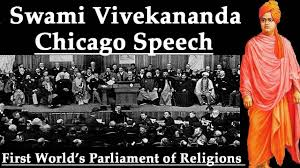
One of the most significant events in Vivekananda’s life was his participation in the Parliament of the World’s Religions held in Chicago in 1893. Representing India and Hinduism, he delivered a historic speech that began with the famous words, “Sisters and Brothers of America.”
His address received a standing ovation and instantly made him a global figure. He spoke about religious tolerance, universal acceptance, and the unity of all faiths. Vivekananda presented Hinduism as a rational and inclusive religion, correcting many misconceptions held by the Western world.
This event marked the beginning of his international influence.
Teachings and Philosophy
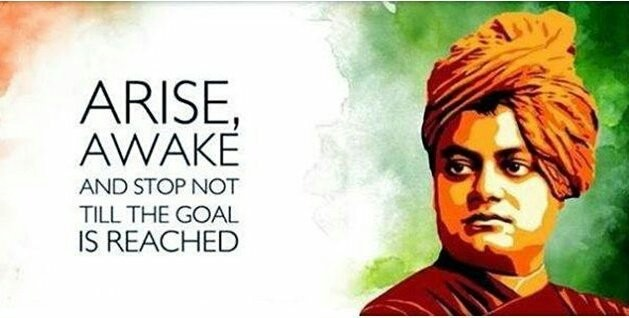
Swami Vivekananda’s teachings were deeply rooted in Vedanta philosophy. He emphasized the following key ideas:
1. Universal Brotherhood
He believed that all human beings are interconnected and that all religions lead to the same truth. His message promoted harmony and respect among different faiths.
2. Self-Confidence and Strength
Vivekananda encouraged individuals to believe in themselves. He famously said that strength is life, and weakness is death. He urged people to overcome fear and realize their inner potential.
3. Service to Humanity
He taught that serving the poor and needy is the highest form of worship. According to him, “Service to man is service to God.”
4. Education
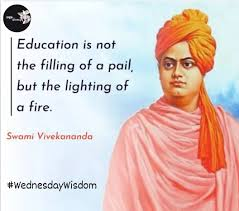
Vivekananda believed that education should build character, strengthen the mind, and promote self-reliance. He emphasized practical knowledge along with moral values.
5. Practical Vedanta
He advocated applying spiritual principles in everyday life. His philosophy was not limited to meditation but extended to action and social responsibility.
Establishment of Ramakrishna Mission
In 1897, Vivekananda founded the Ramakrishna Mission. The organization aimed to combine spiritual growth with social service. It focused on education, healthcare, disaster relief, and rural development.
The mission continues to work in various fields and has become a global organization. It reflects Vivekananda’s vision of integrating spirituality with practical service to society.
Contribution to Indian Nationalism
Swami Vivekananda played a significant role in awakening national consciousness in India. During British colonial rule, his teachings instilled pride in Indian culture and heritage.
He inspired many freedom fighters and leaders with his message of strength, unity, and self-reliance. He encouraged Indians to overcome inferiority and believe in their capabilities. His ideas contributed to the intellectual foundation of India’s independence movement.
Influence in the Western World
After the Chicago Parliament, Vivekananda spent several years in the United States and Europe, spreading the teachings of Vedanta and Yoga. He established Vedanta societies and delivered lectures on spirituality, philosophy, and self-development.
His ability to explain complex spiritual ideas in simple terms attracted many followers. He bridged the gap between Eastern spirituality and Western rationality, making Indian philosophy accessible to a global audience.
Personality and Character
Swami Vivekananda was known for his charismatic personality, sharp intellect, and powerful oratory skills. He combined deep spirituality with practical wisdom. His fearlessness, compassion, and dedication made him a remarkable leader.
He was also known for his discipline and strong willpower. Despite facing challenges and criticism, he remained committed to his mission. His life exemplified the ideals he preached.
Death and Legacy
Swami Vivekananda passed away on July 4, 1902, at the young age of 39. Despite his short life, his impact was immense and long-lasting.
His legacy continues through his teachings, writings, and institutions like the Ramakrishna Mission. His birthday, January 12, is celebrated as National Youth Day in India, highlighting his influence on young minds.
Relevance in Modern Times
Vivekananda’s teachings remain highly relevant today. In a world facing conflict, stress, and inequality, his message of unity, strength, and service offers valuable guidance.
His emphasis on self-confidence and character-building is especially important for today’s youth. His vision of harmony among religions is crucial in promoting peace and understanding in a diverse world.
Conclusion
Swami Vivekananda was not just a spiritual leader but also a visionary reformer and global ambassador of Indian culture. His life and teachings continue to inspire millions to strive for personal growth and social betterment.
He showed that spirituality is not separate from daily life but an integral part of it. By combining knowledge, action, and devotion, Vivekananda created a path that is both practical and profound. His timeless message encourages humanity to rise above differences and work together for a better world.
Leave a Reply