Introduction
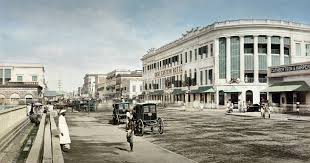
Old kolkata history The history of Kolkata (formerly Calcutta) is a rich tapestry woven from trade, colonial ambition, cultural renaissance, and political transformation. Often called the “City of Joy,” its past reflects the broader evolution of India under colonial rule and its journey into modern nationhood. This overview explores the old history of Kolkata in a structured, heading-wise format.
Early Settlements Before Colonial Rule
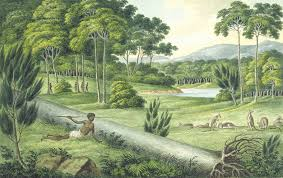
Old kolkata history Before the arrival of Europeans, the region that would become Kolkata consisted of three small villages: Sutanuti, Govindapur, and Kalikata. These settlements were located along the eastern bank of the Hooghly River, a distributary of the Ganges.
The area was under the control of the Mughal Empire, particularly during the reign of Aurangzeb. The villages were primarily inhabited by fishermen, weavers, and farmers. Trade existed but was limited, mostly involving local markets and riverine commerce.
Arrival of the British East India Company
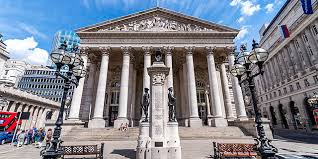
Old kolkata historyThe decisive turning point came in 1690 when Job Charnock, an agent of the British East India Company, established a trading post in the region. Though historians debate whether Charnock can truly be called the “founder” of Kolkata, his role in consolidating British presence is significant.
In 1698, the Company acquired zamindari rights over the three villages from the local landlords, marking the formal beginning of British control. This laid the groundwork for Kolkata’s emergence as a major colonial city.
Construction of Fort William
To secure their growing interests, the British constructed Fort William in 1696. The fort became a military stronghold and administrative center.
However, tensions with the Nawab of Bengal escalated, particularly under Siraj ud-Daulah. In 1756, he captured the fort, leading to the infamous “Black Hole of Calcutta” incident, which the British later used to justify military retaliation.
Battle of Plassey and British Dominance
The turning point in Bengal’s—and Kolkata’s—history came with the Battle of Plassey in 1757. Led by Robert Clive, the British East India Company defeated Siraj ud-Daulah.
This victory established British political control over Bengal and marked the beginning of colonial rule in India. Kolkata soon became the capital of British India, serving as the administrative and commercial hub of the empire in the East.
Growth as a Colonial Capital
From the late 18th to early 20th century, Kolkata flourished as the capital of British India (until 1911). It became a center for governance, trade, education, and culture.
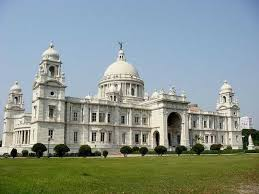
Grand colonial architecture emerged during this period, including landmarks like Victoria Memorial and Writers’ Building. The city’s layout reflected British urban planning, with wide roads, administrative quarters, and European-style institutions.
Kolkata also became a hub for international trade, especially in textiles, jute, and tea.
The Bengal Renaissance
The 19th century witnessed a cultural and intellectual awakening known as the Bengal Renaissance. This period saw the rise of reformers, thinkers, and artists who reshaped Indian society.
Prominent figures included:
- Raja Ram Mohan Roy – founder of the Brahmo Samaj and advocate for social reforms
- Ishwar Chandra Vidyasagar – champion of women’s education and widow remarriage
- Rabindranath Tagore – literary giant and cultural icon
This era fostered advancements in education, literature, science, and social reform, making Kolkata the intellectual capital of India.
Role in the Indian Freedom Movement
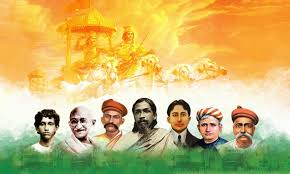
Kolkata played a crucial role in India’s struggle for independence. It was a center for political activism and revolutionary movements.
The Partition of Bengal by the British sparked widespread protests and the Swadeshi Movement, encouraging the boycott of British goods.
Revolutionaries like Subhas Chandra Bose emerged from Kolkata, inspiring resistance against colonial rule. The city became a hotbed of nationalist sentiment and political mobilization.
Transfer of Capital to Delhi
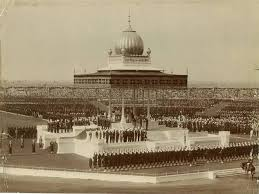
In 1911, the British shifted the capital of India from Kolkata to New Delhi. This decision was partly due to administrative convenience and partly to reduce the political influence of Bengal’s nationalist movements.
Although Kolkata lost its political primacy, it remained a major cultural and economic center.
Impact of Partition and Independence
The Partition of India in 1947 had a profound impact on Kolkata. As Bengal was divided into West Bengal (India) and East Pakistan (now Bangladesh), Kolkata experienced a massive influx of refugees.
This led to rapid urban expansion, economic strain, and social challenges. However, it also enriched the city’s cultural diversity.
Post-Independence Developments
After independence, Kolkata faced economic decline due to industrial stagnation and political unrest. However, it remained an important center for art, literature, and cinema.
The city became associated with intellectual movements, theatre, and films, especially through the works of directors like Satyajit Ray.
Old kolkata history
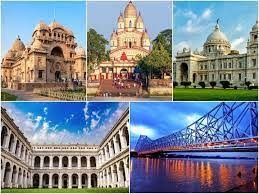
Old Kolkata is characterized by its unique blend of colonial heritage and Bengali traditions. Areas like North Kolkata still retain historic mansions, narrow lanes, and traditional lifestyles.
Festivals such as Durga Puja showcase the city’s vibrant cultural identity. The celebration combines artistry, devotion, and community spirit, reflecting centuries-old traditions.
Architectural Heritage
The architecture of old Kolkata is a mix of British colonial styles and traditional Bengali designs. Notable features include:
- Grand colonial buildings with neoclassical elements
- Traditional “bonedi bari” (aristocratic mansions)
- Religious structures like temples and churches
Landmarks such as Howrah Bridge symbolize the city’s engineering and cultural significance.
Conclusion
The old history of Kolkata is a story of transformation—from a cluster of small villages to the capital of British India, and eventually to a cultural powerhouse of modern India. Its legacy is deeply embedded in its architecture, literature, political movements, and social fabric.
Understanding Kolkata’s past offers valuable insights into India’s colonial experience, cultural evolution, and resilience. Even today, traces of its old-world charm coexist with modern urban life, making it one of the most historically rich cities in the country.
Leave a Reply