Introduction
Netaji Subhas Chandra Bose:(1897)
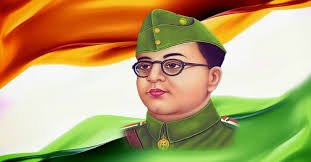
Netaji Subhas Chandra Bose: A Comprehensive Study(1897)Subhas Chandra Bose, popularly known as Netaji, was one of the most dynamic and influential leaders of India’s struggle for independence. His life was marked by intense patriotism, fearless leadership, and a willingness to adopt unconventional methods to liberate India from British rule. Unlike many of his contemporaries, Bose believed that freedom could not be achieved solely through non-violence; instead, he advocated for armed resistance and international alliances. His famous slogan, “Give me blood, and I will give you freedom,” continues to inspire generations.
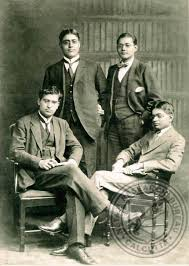
Subhas Chandra Bose was born on January 23, 1897, in Cuttack. He belonged to a well-educated and affluent Bengali family. His father, Janakinath Bose, was a prominent lawyer, and his mother, Prabhavati Devi, was a deeply religious woman.
From a young age, Bose showed exceptional intelligence and discipline. He was influenced by the teachings of Swami Vivekananda and Ramakrishna Paramahamsa, which shaped his spiritual and nationalist outlook. His early education took place in Cuttack, after which he moved to Kolkata for higher studies.

NETAJI SUBHAS MEMORIYAL
Bose studied at Presidency College in Kolkata and later at Scottish Church College. He was an outstanding student and later went to England to prepare for the Indian Civil Services (ICS) examination, one of the most prestigious career paths under British rule.
He secured the fourth rank in the ICS examination in 1920, which was a remarkable achievement. However, his strong nationalist feelings led him to resign from the service in 1921 before formally joining. This decision demonstrated his commitment to the cause of Indian independence over personal success and comfort.Netaji Subhas Chandra Bose:
Entry into the Freedom Struggle
After returning to India, Bose joined the Indian National Congress and quickly rose through its ranks due to his dedication and organizational skills. He was deeply influenced by Mahatma Gandhi but later developed ideological differences with him.
Bose believed that Gandhi’s policy of non-violence was not sufficient to overthrow British rule. Instead, he advocated for a more aggressive approach. Despite these differences, Bose respected Gandhi and referred to him as the “Father of the Nation.”
Role in Indian National Congress
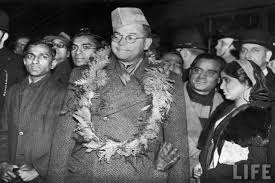
Bose became a prominent leader within the Indian National Congress. He served as the President of the Congress twice, in 1938 (Haripura Session) and 1939 (Tripuri Session).
During his presidency, Bose emphasized industrialization, economic planning, and complete independence (Purna Swaraj). However, his re-election in 1939 led to conflicts with Gandhi and other senior leaders. Eventually, he resigned from the presidency and formed the Forward Bloc, aiming to consolidate left-wing elements within the Congress.
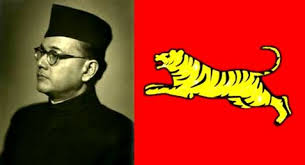
In 1939, Bose established the All India Forward Bloc. The objective of this organization was to unite all radical and anti-imperialist forces in India.
Through the Forward Bloc, Bose sought to continue the struggle for independence with greater intensity. However, his activities drew the attention of British authorities, and he was placed under house arrest.
Escape from India
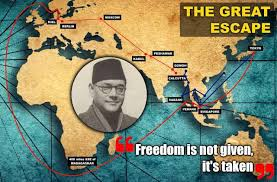
In a daring move in 1941, Bose escaped from house arrest in Kolkata. Disguised as a Pathan, he traveled across India and eventually reached Germany via Afghanistan and the Soviet Union.
His escape is considered one of the most dramatic episodes in the history of India’s freedom struggle. It demonstrated his courage, determination, and strategic thinking.
International Alliances
Netaji Subhas Chandra Bose: A Comprehensive Study(1897) During World War II, Bose sought international support to fight against British colonial rule. He initially went to Germany and later moved to Japan.
In Germany, he met Adolf Hitler, seeking support for India’s independence. Although his efforts in Germany had limited success, his move to Japan proved more fruitful.
Indian National Army (INA)
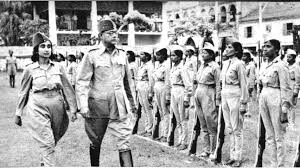
Netaji Subhas Chandra Bose: A Comprehensive Study(1897) Bose reorganized the Indian National Army (INA), originally formed by Indian prisoners of war in Southeast Asia. Under his leadership, the INA became a formidable force.
The INA aimed to liberate India with the help of Japanese forces. Bose established a provisional government called the Azad Hind Government in 1943, which was recognized by several countries.
Military Campaigns and Achievements
The INA launched military operations in northeastern India, particularly in regions like Manipur and Nagaland. Netaji Subhas Chandra Bose: A Comprehensive Study(1897) The most notable campaign was the battle of Imphal.
Although the INA initially made progress, it eventually faced setbacks due to lack of resources and the defeat of Japan in World War II. Despite this, the INA’s efforts had a significant psychological impact on the Indian population and the British Indian Army.
Ideology and Vision
Netaji Subhas Chandra Bose: A Comprehensive Study(1897) Bose’s ideology was rooted in nationalism, socialism, and strong leadership. He believed in a united India free from caste, religion, and regional divisions.
He advocated for:
- Complete independence from British rule
- Industrial and economic development
- Social equality and justice
- Strong central governance
Unlike many leaders of his time, Bose was willing to adopt a pragmatic approach, even if it meant aligning with controversial global powers.
Relationship with Contemporary Leaders
Bose had complex relationships with other leaders of the independence movement. While he admired Gandhi, he disagreed with his methods. Similarly, he had differences with Jawaharlal Nehru on certain ideological issues.
Despite these differences, Bose remained committed to the larger goal of independence and respected the contributions of his contemporaries.
Death and Mystery
The circumstances surrounding Bose’s death remain one of the greatest mysteries in Indian history. According to official reports, he died in a plane crash in Taiwan on August 18, 1945.
However, many believe that he survived and lived in secrecy. Numerous investigations and theories have emerged over the years, but no conclusive evidence has been found.
Legacy and Contributions
Netaji Subhas Chandra Bose’s contribution to India’s freedom struggle is immense. His efforts inspired millions of Indians to rise against colonial rule.
The INA trials held in 1945–46 sparked widespread protests across India and weakened British authority. Many historians believe that these events accelerated India’s independence in 1947.
Influence on Modern India
Bose’s ideas continue to influence modern India. His emphasis on discipline, unity, and patriotism resonates strongly even today.
Institutions, roads, and airports across India have been named after him. His birthday, January 23, is celebrated as Parakram Diwas (Day of Valor) in India.
Conclusion
Netaji Subhas Chandra Bose remains a symbol of courage, determination, and unwavering patriotism. His life teaches us the importance of sacrifice and the courage to stand up for one’s beliefs.
While his methods differed from other leaders, his ultimate goal was the same: a free and independent India. His legacy continues to inspire generations to work towards a stronger and more united nation.
https://www.google.com/search?sca_esv=19eacb78983cd92f&rlz=1C1CHBD_enIN1196IN1202&sxsrf=ANbL-
Leave a Reply