Introduction
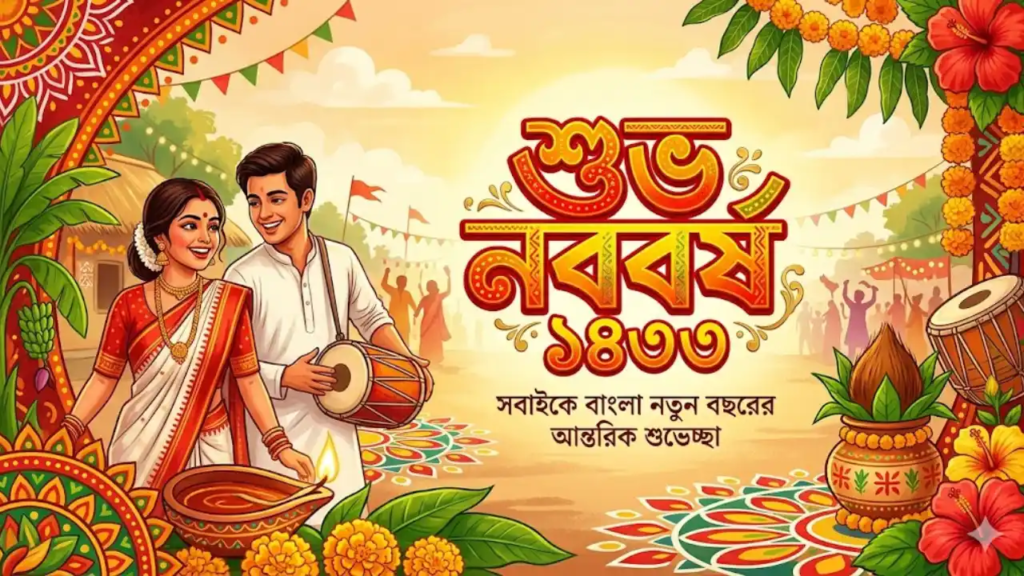
Subha Nababarsha 2026 (শুভ নববর্ষ ১৪৩৩) Subha Nababarsha, also known as Bengali New Year, is one of the most cherished cultural festivals of Bengalis across the world. Celebrated with immense joy and enthusiasm, it marks the beginning of the new year according to the Bengali calendar. In 2026, Subha Nababarsha welcomes the year 1433, bringing with it renewed hope, prosperity, and happiness. The festival falls on April 14 or 15 each year and is widely observed in West Bengal, Bangladesh, and Bengali communities worldwide. Known as Pohela Boishakh, it is a vibrant blend of tradition, culture, and modern celebration.
Historical Background
The origins of Subha Nababarsha date back to the Mughal era during the reign of Emperor Akbar. To facilitate tax collection based on agricultural cycles, a new calendar combining the Islamic lunar calendar and the Hindu solar calendar was introduced. This became the Bengali calendar, or Bangabda. Over time, the first day of the calendar—Pohela Boishakh—evolved into a significant cultural festival rather than just an administrative necessity.
The festival has since transcended religious boundaries and is now celebrated by people of all communities as a symbol of unity and cultural identity. In 2026, it continues to represent centuries of tradition, reflecting both historical roots and modern influences.
Significance of Subha Nababarsha
Subha Nababarsha holds deep cultural and emotional significance for Bengalis. It marks a fresh start, encouraging people to leave behind past worries and embrace new beginnings. The day symbolizes renewal—of relationships, business ventures, and personal goals.

For traders and business owners, it is especially important as they open new account books, a ritual known as Haal Khata. Customers are invited, sweets are distributed, and old debts are settled. Spiritually, the festival represents purification, positivity, and hope for prosperity in the coming year.
Preparations for the Festival
Preparations for Subha Nababarsha begin days in advance. Homes are cleaned thoroughly, symbolizing the removal of negativity and the welcoming of positive energy. People buy new clothes, decorate their homes with alpana (traditional rangoli), and prepare special food items.
Markets become vibrant with shoppers purchasing traditional attire like sarees and kurtas. Sweet shops and local markets bustle with activity as people buy sweets, fruits, and gifts. In 2026, modern shopping trends, including online purchases, also play a role, blending tradition with convenience.
Traditional Attire
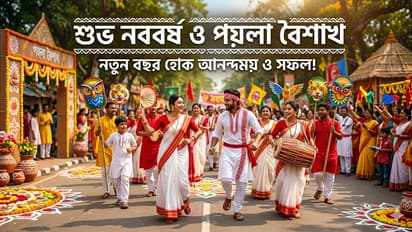
On Subha Nababarsha, people dress in traditional Bengali clothing. Women typically wear white sarees with red borders, often paired with traditional jewelry and flowers in their hair. Men usually wear kurta-pajamas or dhotis.
The colors white and red symbolize purity and prosperity, adding to the festive atmosphere. In recent years, fusion fashion has also gained popularity, especially among younger generations, combining traditional designs with modern styles.
Cultural Celebrations and Activities
Subha Nababarsha is incomplete without cultural festivities. The day begins early with people visiting temples to seek blessings for the new year. Processions, fairs, and cultural programs are organized across cities and towns.
In West Bengal, especially in Kolkata, cultural events include music, dance, and theatrical performances. Rabindra Sangeet (songs by Rabindranath Tagore) and folk music are integral parts of the celebration. Streets are filled with joy, and people greet each other with “Shubho Noboborsho.”
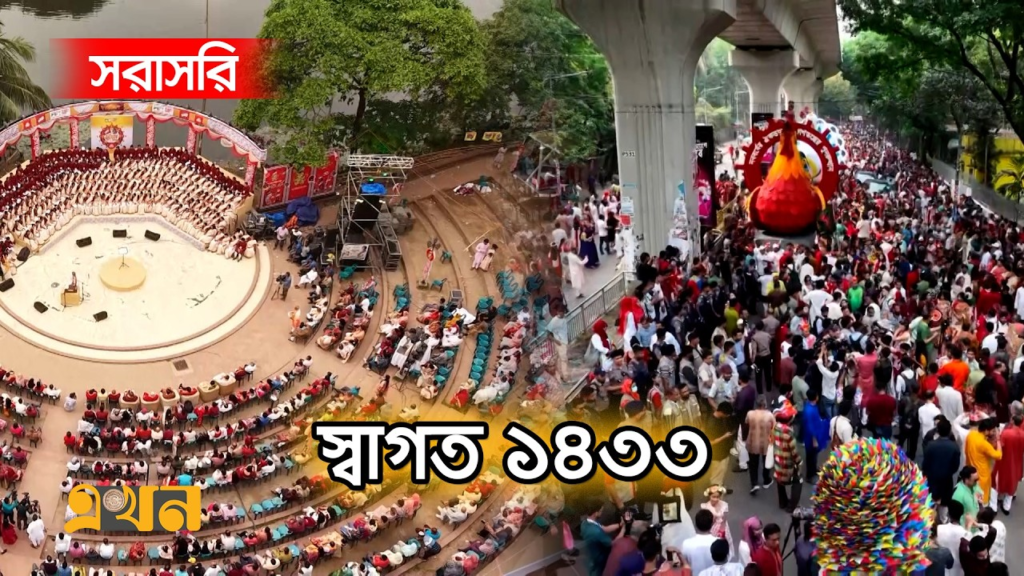
In Bangladesh, the famous “Mangal Shobhajatra” procession, recognized by UNESCO, showcases colorful masks and artistic expressions representing unity and cultural pride.
Traditional Foods
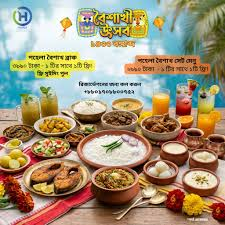
Food plays a central role in Subha Nababarsha celebrations. Special dishes are prepared to mark the occasion, often including a mix of sweet and savory items.
Popular dishes include:
- Panta Bhat (fermented rice) with fried hilsa fish
- Shorshe Ilish (hilsa fish in mustard sauce)
- Luchi and Alur Dom
- Mishti (sweets) like Rosogolla, Sandesh, and Payesh
Families gather to enjoy elaborate meals together, strengthening bonds and celebrating the joy of togetherness. Restaurants also offer special Bengali New Year menus, attracting large crowds.
Haal Khata Tradition
One of the most unique aspects of Subha Nababarsha is the Haal Khata ceremony. Business owners open new ledgers on this day and invite customers to mark the beginning of a new financial year.
Customers often receive sweets and small gifts as a token of appreciation. This tradition reinforces trust and goodwill between traders and customers. Even in 2026, despite digital accounting systems, many businesses continue this ritual for its cultural significance.
Role of Music and Art
Music and art are deeply woven into the fabric of Subha Nababarsha celebrations. Songs of Rabindranath Tagore, especially those welcoming the new year, are performed widely. Cultural institutions organize programs showcasing dance, poetry, and drama.
Art exhibitions, fairs, and street performances highlight Bengali heritage. The festival becomes a platform for artists to express creativity and preserve traditional forms while also embracing modern interpretations.
Modern Celebrations in 2026
In 2026, Subha Nababarsha reflects a blend of tradition and modernity. Social media plays a major role in spreading festive greetings and connecting people across the globe. Virtual celebrations, online cultural events, and digital greetings have become common.
Shopping trends have also evolved, with e-commerce platforms offering special discounts for the occasion. Restaurants and cafes host themed events, attracting younger audiences. Despite these changes, the core essence of the festival—joy, renewal, and cultural pride—remains intact.
Celebrations Beyond Bengal
Subha Nababarsha is not limited to West Bengal or Bangladesh. Bengali communities around the world celebrate the festival with equal enthusiasm. Cities like London, New York, and Toronto host cultural events, fairs, and community gatherings.
These celebrations help preserve Bengali culture and pass it on to future generations living abroad. In 2026, globalization and digital connectivity make it easier than ever for people to celebrate together, regardless of geographical boundaries.
Economic and Social Impact
The festival significantly boosts local economies. Markets, clothing stores, sweet shops, and restaurants experience increased sales during this time. Cultural events and fairs also create opportunities for artists and small businesses.
Socially, Subha Nababarsha fosters unity and harmony. It brings people together, transcending differences of religion, class, and background. The spirit of togetherness and mutual respect is one of the most beautiful aspects of the festival.
Environmental Awareness
In recent years, there has been a growing emphasis on celebrating festivals in an eco-friendly manner. In 2026, many communities promote sustainable practices such as using natural decorations, avoiding plastic, and reducing waste.
Eco-friendly processions, biodegradable materials, and awareness campaigns encourage people to celebrate responsibly while preserving the environment.
Conclusion
Subha Nababarsha 2026 is not just a celebration of a new calendar year—it is a celebration of life, culture, and unity. Rooted in history yet evolving with time, it continues to bring joy and hope to millions of people.
As Bengalis welcome the year 1433 with open hearts, the festival reminds everyone of the importance of new beginnings, gratitude, and togetherness. Whether celebrated traditionally or with modern influences, the spirit of Subha Nababarsha remains timeless—spreading happiness, prosperity, and cultural pride across generations.
Shubho Noboborsho! 🌼
Leave a Reply