Introduction
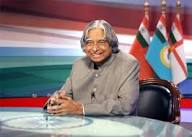
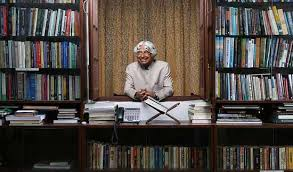
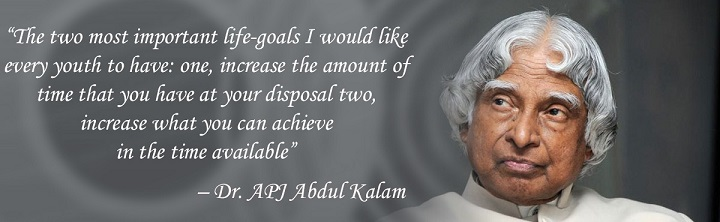
Dr. A. P. J. Abdul Kalam(1931) A. P. J. Abdul Kalam was one of India’s greatest scientists and most respected leaders. Known as the “Missile Man of India,” he played a crucial role in strengthening the country’s defense and space capabilities. He later became the 11th President of India and was loved by people of all ages, especially students. His life is a perfect example of hard work, dedication, and simplicity.
Early Life
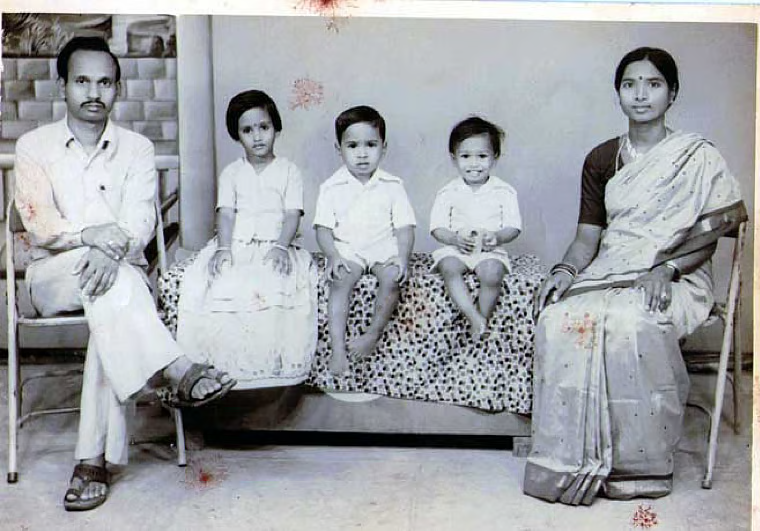
Dr. Kalam was born on October 15, 1931, in Rameswaram. He came from a humble and financially modest family. His father, Jainulabdeen, was a boat owner, and his mother, Ashiamma, was a caring homemaker. Despite financial struggles, his parents instilled strong moral values in him. As a young boy, Kalam helped support his family by selling newspapers while continuing his education.
Education
Dr. A. P. J. Abdul Kalam(1931) Abdul Kalam completed his schooling in his hometown and later moved to Ramanathapuram for further studies. He developed a deep interest in science and mathematics. He graduated in physics from St. Joseph’s College and then studied aerospace engineering at the Madras Institute of Technology. His education laid the foundation for his successful scientific care.
Scientific Career
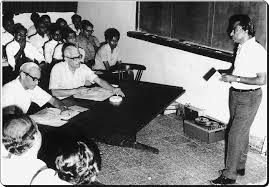
Dr. A. P. J. Abdul KalamDr. Kalam began his career at the DRDO and later joined ISRO. At ISRO, he was a key figure in the development of India’s first Satellite Launch Vehicle (SLV-III), which successfully launched the Rohini satellite. His work marked a significant milestone in India’s space journey.
Missile Development
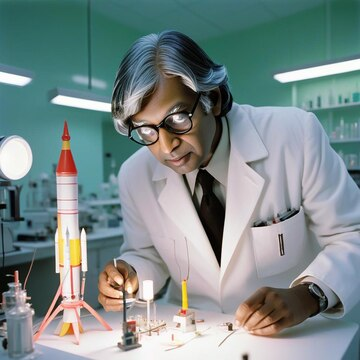
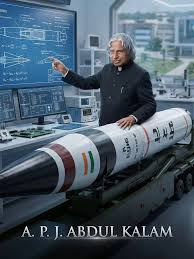
Kalam earned the title “Missile Man of India” due to his leadership in the development of advanced missiles. He was the chief architect of the Integrated Guided Missile Development Programme (IGMDP). Under his guidance, important missiles like Agni and Prithvi were developed. His contributions greatly strengthened India’s defense system.
Role in Nuclear Tests
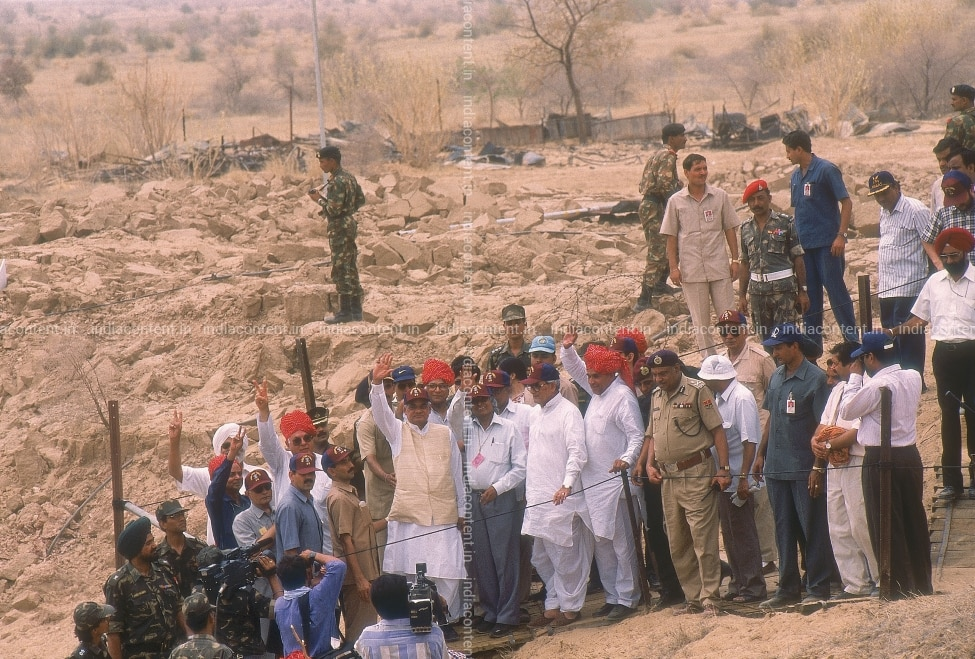
Dr. Kalam played a vital role in the Pokhran-II Nuclear Tests. These tests made India a nuclear power and demonstrated its scientific and technological strength to the world. His leadership during this period was highly appreciated.
Presidency
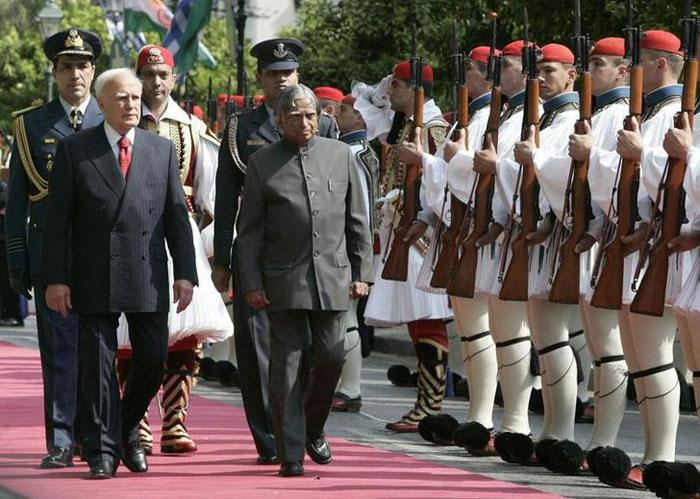
In 2002, Dr. Kalam became the 11th President of India. He served the nation until 2007. Unlike many other presidents, he was deeply connected with the people and was known as the “People’s President.” He focused on education, youth empowerment, and national development during his tenure.
Love for Students
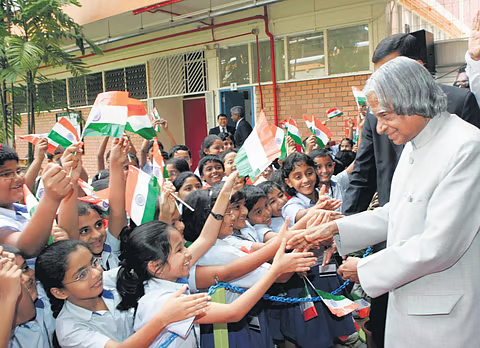
Dr. Kalam had a special affection for students and young people. He believed that the youth were the future of the nation. He traveled across India, visiting schools and colleges to motivate students. His speeches encouraged them to dream big and work hard to achieve their goals.
Books and Writings
Dr. Kalam was also a great author. His famous autobiography, Wings of Fire, tells the story of his life and struggles. Other important books written by him include Ignited Minds and India 2020. His books continue to inspire millions of readers.
Awards and Honors
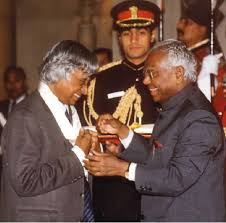
Dr. Kalam received many prestigious awards for his contributions. He was honored with the Bharat Ratna in 1997. He also received the Padma Bhushan and Padma Vibhushan. These awards recognized his edication to science and the nation.
Simplicity and Values
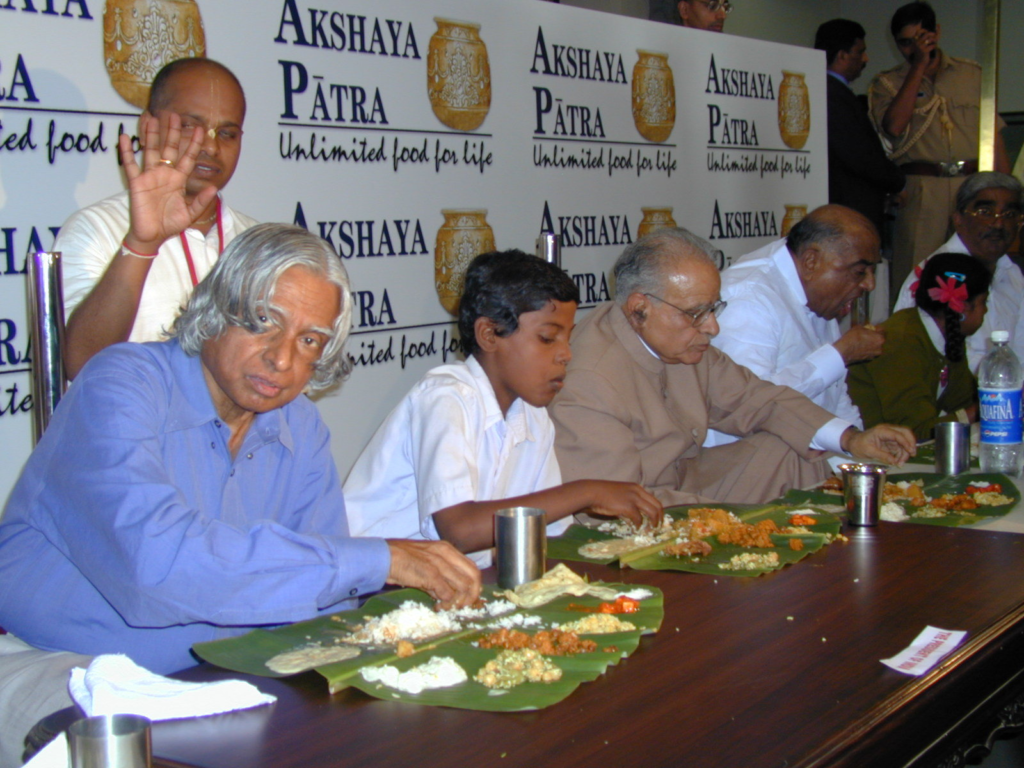
Despite his great achievements, Dr. Kalam lived a simple and humble life. He believed in honesty, discipline, and hard work. He had no interest in wealth or luxury and always remained grounded. His life teaches us the importance of good values and character.
Death and Legacy
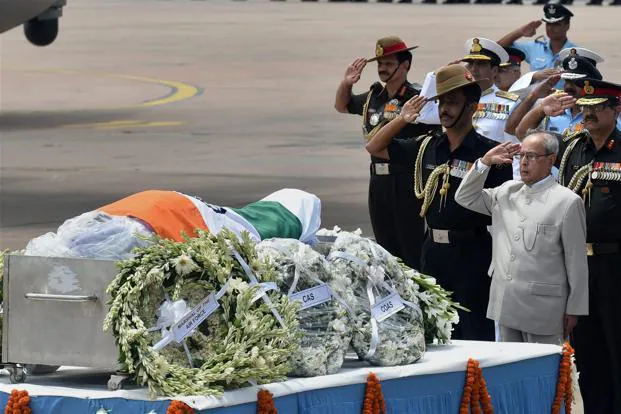
Dr. Kalam passed away on July 27, 2015, while delivering a lecture at Indian Institute of Management Shillong. His death was a great loss to the nation. However, his legacy continues to inspire millions. He will always be remembered as a great scientist, a visionary leader, and a true role model.
Conclusion
In conclusion, Dr. A. P. J. Abdul Kalam was an extraordinary individual who dedicated his life to the service of the nation. His journey from a small town to becoming the President of India is truly inspiring. His teachings, values, and vision will continue to guide future generations. He remains a symbol of knowledge, humility, and inspiration for all.
Leave a Reply