Introduction
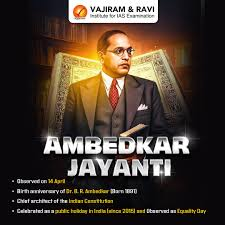
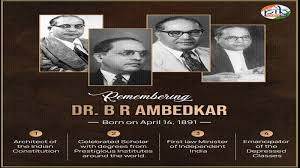
Ambedkar Jayanti(1891) Bhimrao Ramji Ambedkar, popularly known as Dr. B. R. Ambedkar, is one of the most influential figures in Indian history. His birth anniversary, celebrated as Ambedkar Jayanti on April 14 every year, holds immense significance across India and among Indian communities worldwide. This day is not just a remembrance of his birth but a celebration of his contributions toward social justice, equality, and the upliftment of marginalized communities.
Ambedkar Jayanti is observed with great enthusiasm, especially by those who continue to draw inspiration from his life and ideals. The day serves as a reminder of the struggles faced by millions of people due to social discrimination and highlights the importance of equality, education, and human rights.
Historical Background
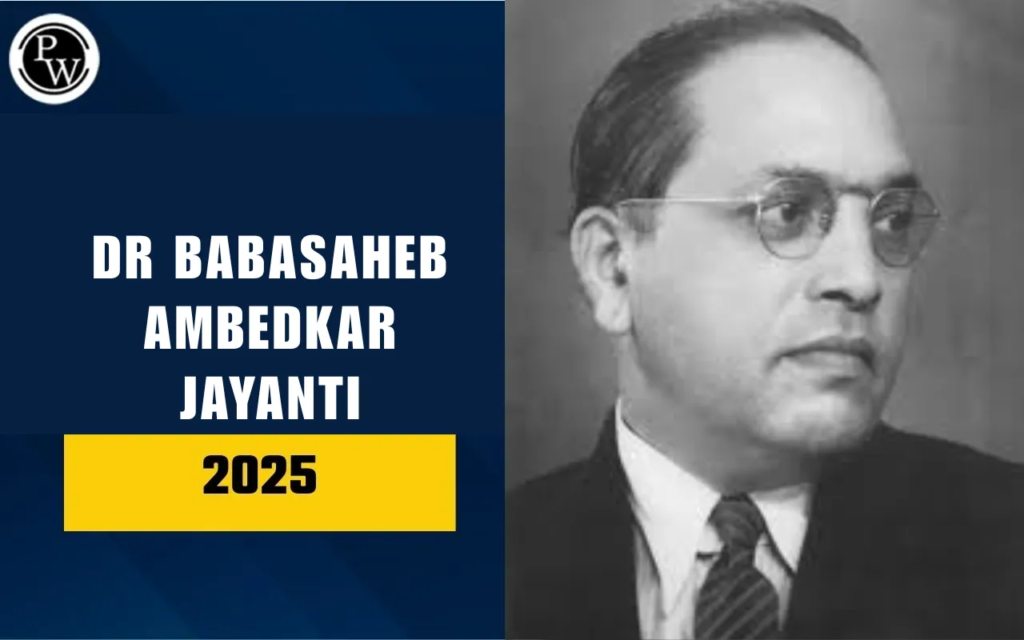
Dr. B. R. Ambedkar was born on April 14, 1891, in Mhow (present-day Madhya Pradesh). He belonged to a Dalit (formerly “untouchable”) community, which faced severe social discrimination in the traditional caste system of India. From a very young age, Ambedkar experienced untouchability and exclusion, which deeply influenced his vision and determination to fight against injustice.
Ambedkar Jayanti(1891) Despite facing immense challenges, Ambedkar pursued education with exceptional dedication. He studied at prestigious institutions such as Columbia University and the London School of Economics. His academic excellence and exposure to global ideas shaped his perspective on democracy, equality, and human rights.
Ambedkar Jayanti began to be celebrated widely after his death in 1956, as people recognized his contributions and legacy. Today, it is observed as a national event with widespread participation.
Significance of Ambedkar Jayanti
Ambedkar Jayanti(1891) Ambedkar Jayanti holds deep social, political, and cultural importance. It is not just a day of celebration but also one of reflection and commitment to the ideals Ambedkar stood for.
1. Symbol of Social Justice
Ambedkar Jayanti(1891) Ambedkar devoted his life to fighting against caste-based discrimination. His efforts aimed at creating a society where individuals are treated equally regardless of caste, religion, or gender. Ambedkar Jayanti reminds people of the importance of justice and fairness in society.
2. Celebration of Equality
Ambedkar Jayanti(1891) The day emphasizes the constitutional guarantee of equality. Ambedkar believed that equality was not just a legal principle but a moral necessity. His work ensured that every citizen of India has equal rights under the law.
3. Inspiration for Education
Ambedkar strongly advocated education as the key to empowerment. His famous slogan, “Educate, Agitate, Organize,” continues to inspire millions. Ambedkar Jayanti encourages people, especially youth, to pursue education and knowledge.
4. Tribute to the Architect of the Constitution
Dr. Ambedkar was the chief architect of the Indian Constitution. His role in drafting the Constitution ensured the inclusion of fundamental rights and safeguards for marginalized communities. This day honors his monumental contribution to the nation.
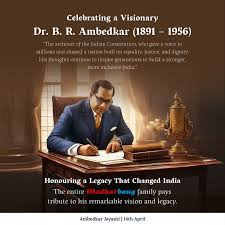
One of the most significant contributions of Dr. B. R. Ambedkar was his role in framing the Constitution of India. As the chairman of the Drafting Committee, he played a crucial role in shaping the legal and democratic framework of the country.
The Constitution reflects his vision of a just and equal society. It includes:
- Fundamental Rights ensuring equality before the law
- Provisions against discrimination
- Safeguards for minorities and weaker sections
- Right to education and freedom of expression
Ambedkar’s foresight ensured that India became a democratic republic where every citizen has rights and responsibilities. Ambedkar Jayanti is a reminder of these foundational principles.
Celebrations Across India
Ambedkar Jayanti is celebrated with great enthusiasm across the country, particularly in states like Maharashtra, Uttar Pradesh, Tamil Nadu, and Madhya Pradesh.
1. Public Gatherings and Processions
People organize rallies, processions, and marches to honor Ambedkar. His statues and portraits are decorated with flowers, and people pay tribute by offering garlands.
2. Cultural Programs
Schools, colleges, and community organizations host cultural events such as speeches, debates, essay competitions, and plays highlighting Ambedkar’s life and contributions.
3. Government Observances
The Government of India officially observes Ambedkar Jayanti. Leaders pay homage at memorials, especially at Deekshabhoomi in Nagpur and Chaitya Bhoomi in Mumbai.
4. Social Initiatives
Many organizations conduct social service activities such as blood donation camps, educational seminars, and awareness programs to promote equality and justice.
Global Observance
Ambedkar Jayanti is not limited to India. It is celebrated by Indian communities worldwide, including in countries like the United States, the United Kingdom, Canada, and Japan.
In 2015, the United Nations recognized Ambedkar’s contributions, and his birth anniversary has been observed globally as a day promoting equality and human rights. This highlights the universal relevance of his ideas.
Ambedkar’s Ideology
Dr. Ambedkar’s ideology was rooted in the principles of liberty, equality, and fraternity. These values were inspired by democratic ideals and shaped his vision for India.
1. Liberty
Ambedkar believed in individual freedom, including freedom of thought, expression, and action. He emphasized that liberty is essential for human dignity.
2. Equality
He strongly opposed caste-based discrimination and worked tirelessly to ensure equal opportunities for all citizens.
3. Fraternity
Ambedkar stressed the importance of unity and brotherhood among people. He believed that without fraternity, liberty and equality would not be sustainable.
Challenges Faced by Ambedkar
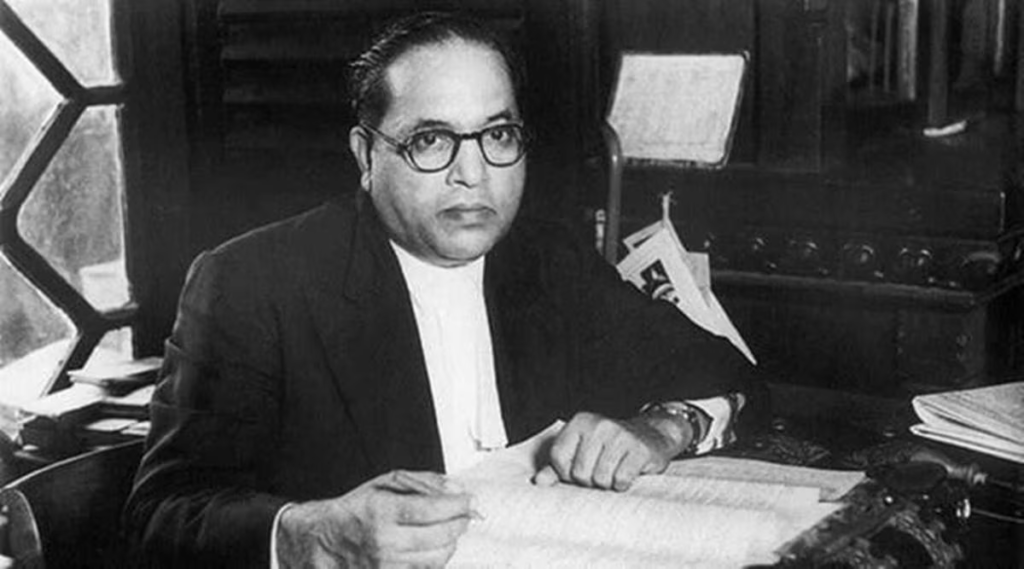
Despite his achievements, Ambedkar faced numerous challenges throughout his life:
- Social discrimination due to caste
- Resistance from orthodox sections of society
- Political opposition to his reforms
- Personal struggles and hardships
However, he overcame these obstacles through determination, education, and resilience. His life story serves as a powerful example of perseverance.
Relevance in Modern Times
Ambedkar Jayanti continues to be relevant in today’s world. While significant progress has been made, issues like inequality, discrimination, and social injustice still exist.
1. Fight Against Discrimination
Ambedkar’s teachings inspire ongoing efforts to eliminate caste-based and other forms of discrimination.
2. Importance of Education
In the modern era, education remains a crucial tool for empowerment, just as Ambedkar emphasized.
3. Democratic Values
His ideas continue to guide India’s democratic system and institutions.
Ambedkar and Social Reforms
Ambedkar was not just a political leader but also a social reformer. He worked for:
- Abolition of untouchability
- Women’s rights and gender equality
- Labor rights and fair working conditions
- Economic reforms for the poor
His efforts laid the foundation for a more inclusive society.
Ambedkar’s Conversion to Buddhism
In 1956, Ambedkar converted to Buddhism along with thousands of his followers. He chose Buddhism because he believed it promoted equality and rejected caste discrimination.
This event marked a significant moment in Indian history and symbolized a rejection of oppressive social structures.
Educational Contributions
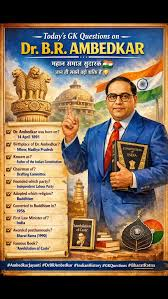
Ambedkar established several educational institutions and advocated for access to education for all sections of society. He believed that education is the most powerful weapon for social change.
His own academic achievements continue to inspire students across the world.
Conclusion
Ambedkar Jayanti is more than just a commemorative day; it is a celebration of the ideals of justice, equality, and human dignity. The life and work of Bhimrao Ramji Ambedkar continue to inspire generations to strive for a better and more inclusive society.
As we celebrate Ambedkar Jayanti, it is important to reflect on his teachings and work toward building a society free from discrimination and inequality. By embracing his values, we can contribute to the vision of a just and equitable world that he dreamed of.
If you want, I can also convert this into a speech, short note, or exam-ready answer 👍
Leave a Reply