Blog

  • Chandannagar: A Unique Blend of French Heritage and Bengali Culture (2026)

    Chandannagar: A Unique Blend of French Heritage and Bengali Culture (2026)
    Chandannagar: A Unique Blend of French Heritage and Bengali Culture (2026)

    Introduction

    Chandannagar: A Unique Blend of French Heritage and Bengali Culture (2026) Chandannagar is a historically rich and culturally vibrant town situated in the Hooghly district of West Bengal, India. Located along the banks of the Hooghly River, it lies approximately 35 kilometers north of Kolkata. Chandannagar is distinct from other towns in the region because of its long association with French colonial rule, which has left a lasting impact on its architecture, institutions, and cultural life.

    Chandannagar: A Unique Blend of French Heritage and Bengali Culture (2026)
    Chandannagar: A Unique Blend of French Heritage and Bengali Culture (2026)

    Unlike many other Indian towns that were dominated by British colonial influence, Chandannagar developed under the French, resulting in a unique blend of European elegance and traditional Bengali culture. Today, it stands as an important historical and cultural center, attracting visitors with its scenic beauty, colonial landmarks, and vibrant festivals.


    Historical Background

    Chandannagar: A Unique Blend of French Heritage and Bengali Culture (2026) The history of Chandannagar dates back to the late 17th century when the French East India Company established a trading settlement here in 1673. Its strategic location along the Hooghly River made it an ideal hub for commerce and trade.

    During the 18th century, Chandannagar emerged as one of the most prosperous European settlements in Bengal. It became a major center for trade in silk, indigo, sugar, and other goods. However, its growth was interrupted by conflicts between European powers competing for control over India.

    Chandannagar: A Unique Blend of French Heritage and Bengali Culture (2026)
    Chandannagar: A Unique Blend of French Heritage and Bengali Culture (2026)

    A significant turning point came during the Battle of Plassey in 1757. British forces attacked Chandannagar, leading to its temporary capture and a decline in French power in the region. Although the French later regained control, the town never fully regained its former economic importance.

    Chandannagar remained under French rule until 1950, even after India gained independence in 1947. It was formally integrated into the Indian Union in 1952 following a referendum. This long period of French governance has left a deep imprint on the town’s identity.


    Geography and Climate

    Chandannagar: A Unique Blend of French Heritage and Bengali Culture (2026) Chandannagar is located on the western bank of the Hooghly River, which plays a crucial role in its geography and lifestyle. The river not only enhances the scenic beauty of the town but also historically served as a major trade route.

    The town experiences a tropical climate, characterized by hot summers, a monsoon season with heavy rainfall, and mild winters. Summers can be quite humid, while the monsoon brings relief along with occasional flooding. Winters are pleasant and attract tourists.

    Its proximity to Kolkata makes it easily accessible and contributes to its development as a suburban extension of the metropolitan area.


    Demographics and Society

    Chandannagar has a predominantly Bengali-speaking population, with Bengali being the primary language used in daily life. However, due to its colonial past, French language and culture still hold a place in certain institutions and cultural practices.

    The town is home to people of different religions, including Hindus, Muslims, and Christians, who live together harmoniously. This diversity is reflected in the variety of festivals and traditions celebrated throughout the year.

    The literacy rate in Chandannagar is relatively high, and education is highly valued among its residents. The town has produced many scholars, artists, and professionals who have contributed significantly to society.


    Culture and Traditions

    The culture of Chandannagar is a fascinating blend of Bengali traditions and French influences. This fusion is evident in the town’s lifestyle, festivals, cuisine, and artistic expressions.

    One of the most important festivals celebrated here is Jagaddhatri Puja. Unlike other parts of Bengal where Durga Puja dominates, Chandannagar is especially known for its grand Jagaddhatri celebrations. The festival features beautifully decorated pandals, artistic idols, and elaborate lighting displays.

    The town is famous for its lighting industry. Skilled artisans create intricate light decorations that are used not only locally but also across India. These lights often depict mythological stories, social themes, and creative designs, making them a major attraction during festivals.


    Architecture and Heritage Sites

    Chandannagar’s architecture reflects its colonial past, with many buildings showcasing French design elements. The town’s heritage sites attract history enthusiasts and tourists alike.

    Strand Promenade

    The Chandannagar Strand is one of the most iconic landmarks of the town. Stretching along the river, it offers a picturesque view and a peaceful environment. The promenade is lined with historic buildings, trees, and benches, making it a popular spot for evening walks.

    Sacred Heart Church

    The Sacred Heart Church Chandannagar is a beautiful example of French architectural style. Built in the 19th century, it features elegant interiors, tall windows, and intricate designs that reflect European aesthetics.

    Chandannagar Museum and Institute

    The Chandannagar Museum and Institute preserves the rich history of the town. It houses artifacts, documents, and photographs related to the French colonial period, providing valuable insights into Chandannagar’s past.

    Chandannagar: A Unique Blend of French Heritage and Bengali Culture (2026)
    Chandannagar: A Unique Blend of French Heritage and Bengali Culture (2026)

    Economy and Occupation

    Chandannagar’s economy has evolved over time. During the colonial era, it was a major trading center, but its importance declined after conflicts between European powers.

    Today, the economy is supported by small-scale industries, local businesses, and services. The lighting industry is particularly significant, with many families involved in producing decorative lights for festivals across the country.

    Additionally, many residents commute to Kolkata for employment, benefiting from the town’s proximity to the metropolitan city.

    Chandannagar: A Unique Blend of French Heritage and Bengali Culture (2026)
    Chandannagar: A Unique Blend of French Heritage and Bengali Culture (2026)

    Education and Institutions

    Education plays a vital role in Chandannagar’s development. The town has several reputed schools and colleges that provide quality education.

    Chandannagar: A Unique Blend of French Heritage and Bengali Culture (2026)
    Chandannagar: A Unique Blend of French Heritage and Bengali Culture (2026)

    Some institutions still maintain a connection to French culture by offering French language courses and promoting cultural exchange programs. This helps preserve the town’s unique heritage while preparing students for global opportunities.


    Transportation and Connectivity

    Chandannagar is well-connected by various modes of transportation. The railway station on the Howrah–Bardhaman main line provides easy access to Kolkata and other parts of West Bengal.

    Road connectivity is also strong, with buses and private vehicles operating regularly. The Hooghly River, once a major transport route, now mainly adds to the town’s scenic charm rather than serving as a primary means of transportation.


    Festivals and Celebrations

    Festivals are an integral part of life in Chandannagar. Jagaddhatri Puja is the most prominent celebration, attracting visitors from across the state.

    Other festivals such as Durga Puja, Kali Puja, and Diwali are also celebrated with enthusiasm. The town’s lighting displays during these festivals are renowned for their creativity and grandeur.

    These celebrations not only reflect religious devotion but also strengthen community bonds and showcase local talent.


    Tourism and Attractions

    Chandannagar is becoming an increasingly popular tourist destination. Its historical significance, cultural richness, and scenic beauty make it an attractive place for visitors.

    Tourists can explore the Strand, visit churches and museums, and experience the vibrant festivals. The town’s calm and peaceful environment provides a refreshing escape from the hustle and bustle of city life.


    Conclusion

    Chandannagar is a remarkable town that stands as a symbol of cultural fusion and historical legacy. Its French colonial heritage, combined with strong Bengali traditions, gives it a unique identity that sets it apart from other towns in India.

    From its early days as a trading hub under the French East India Company to its integration into independent India, Chandannagar has undergone significant changes while preserving its charm and character.

    Today, it continues to thrive as a cultural and historical center, offering valuable insights into the past while embracing modern development. Its scenic beauty, vibrant festivals, and rich heritage make Chandannagar a truly special place worth exploring and appreciating.

    Chandannagar: A Unique Blend of French Heritage and Bengali Culture (2026)
    Chandannagar: A Unique Blend of French Heritage and Bengali Culture (2026)
  • Ganga River: A Comprehensive Overview(2026)

    Ganga River: A Comprehensive Overview(2026)
    Ganga River: A Comprehensive Overview(2026)

    Introduction

    Ganga River: A Comprehensive Overview(2026) The Ganga River, also known as the Ganges, is one of the most important and sacred rivers in the world. Flowing through the northern part of India and into Bangladesh, it plays a crucial role in the lives of millions of people. The river is not only a source of water and livelihood but also holds deep religious, cultural, and historical significance. Revered as a goddess in Hinduism, the Ganga symbolizes purity, life, and spiritual salvation.

    Origin and Course

    Ganga River: A Comprehensive Overview(2026)
    Ganga River: A Comprehensive Overview(2026)

    The Ganga originates in the Himalayas at the Gangotri Glacier in Uttarakhand. The river begins as the Bhagirathi River and later joins the Alaknanda River at Devprayag. From this confluence, it takes the name Ganga. It then flows through the plains of northern India, passing through states such as Uttarakhand, Uttar Pradesh, Bihar, Jharkhand, and West Bengal.

    After traveling approximately 2,525 kilometers, the river enters Bangladesh, where it is known as the Padma River. It eventually merges with the Brahmaputra River and flows into the Bay of Bengal, forming the Sundarbans delta—the largest river delta in the world.

    Tributaries of the Ganga

    The Ganga has many important tributaries that contribute to its vast basin. Major tributaries include the Yamuna, Ghaghara, Gandak, Kosi, and Son rivers. Among these, the Yamuna is the largest and joins the Ganga at Prayagraj. These tributaries play a vital role in maintaining the river’s flow and supporting agriculture and ecosystems across the region.

    Ganga River: A Comprehensive Overview(2026)
    Ganga River: A Comprehensive Overview(2026)

    Geographical Importance

    The Ganga basin is one of the most fertile regions in the world. The river deposits rich alluvial soil, making the land highly suitable for agriculture. Crops such as rice, wheat, sugarcane, and pulses are widely cultivated in this region. The basin supports one of the highest population densities globally, making it an essential lifeline for millions.

    The river also influences the climate of the region by contributing to humidity and rainfall patterns. Its vast network of waterways supports transportation and irrigation systems that are crucial for rural and urban development.

    Ganga River: A Comprehensive Overview(2026)
    Ganga River: A Comprehensive Overview(2026)

    Historical Significance

    The Ganga has been the cradle of Indian civilization for thousands of years. Ancient cities like Varanasi, Prayagraj, and Patna developed along its banks and became centers of trade, education, and culture. The river served as a major route for transportation and communication, helping in the spread of ideas, religions, and traditions.

    Many historical events and movements have taken place along the Ganga, making it an integral part of India’s heritage. It has been mentioned in ancient texts such as the Vedas, Puranas, and epics like the Ramayana and Mahabharata.

    Religious and Cultural Importance

    In Hinduism, the Ganga is considered a sacred river and worshipped as Goddess Ganga. It is believed that bathing in its waters cleanses sins and purifies the soul. Pilgrims from all over India visit the river to perform rituals and offer prayers.

    Major religious events like the Kumbh Mela are held on its banks, attracting millions of devotees. The practice of immersing ashes of the deceased in the river is believed to grant moksha, or liberation from the cycle of life and death.

    Ganga River: A Comprehensive Overview(2026)
    Ganga River: A Comprehensive Overview(2026)

    The river is also central to many festivals, rituals, and daily practices, making it deeply embedded in Indian culture and traditions.

    Mythological Background

    According to Hindu mythology, the Ganga descended from heaven to earth to purify the souls of King Bhagiratha’s ancestors. Due to its immense force, Lord Shiva captured the river in his matted hair to prevent destruction and then released it gently to the earth. This story highlights the divine origin and sacred nature of the river.

    Ganga River: A Comprehensive Overview(2026)
    Ganga River: A Comprehensive Overview(2026)

    Economic Importance

    The Ganga is a vital resource for economic activities. It provides water for irrigation, drinking, and industrial use. Agriculture in the Ganga basin supports millions of farmers and contributes significantly to India’s economy.

    The river also supports fishing, transportation, and tourism. Inland waterways along the Ganga are being developed to promote trade and reduce transportation costs. Cities along the river attract tourists for their spiritual and cultural significance.

    Biodiversity

    The Ganga River supports a rich and diverse ecosystem. It is home to many species of fish, birds, and aquatic animals. One of the most notable species is the Ganges river dolphin, which is endangered.

    The wetlands and forests along the river provide habitats for migratory birds and other wildlife. The Sundarbans delta is famous for its mangrove forests and unique biodiversity, including the Royal Bengal Tiger.

    Environmental Challenges

    Despite its importance, the Ganga faces serious environmental issues. Pollution is one of the biggest challenges, caused by untreated sewage, industrial waste, plastic, and agricultural runoff. Many cities discharge waste directly into the river, affecting water quality.

    Overuse of water for irrigation and industrial purposes has reduced the river’s flow. Dams and barrages disrupt the natural ecosystem and affect aquatic life. Climate change is also impacting the river by altering rainfall patterns and melting glaciers.

    Ganga River: A Comprehensive Overview(2026)
    Ganga River: A Comprehensive Overview(2026)

    Conservation Efforts

    The Government of India has launched several initiatives to clean and protect the Ganga. One of the major programs is the Namami Gange Mission, which focuses on reducing pollution, improving sewage treatment, and restoring the river’s ecosystem.

    Public awareness campaigns and community participation are also encouraged to promote cleanliness and conservation. Efforts are being made to regulate industrial discharge and promote sustainable practices.

    Role in Modern India

    In modern times, the Ganga continues to be a lifeline for millions. It supports urban development, agriculture, and industries. At the same time, there is growing awareness about the need to protect and preserve the river.

    Technological advancements and environmental policies are being implemented to improve water quality and ensure sustainable use. The river remains a symbol of national identity and cultural unity.

    Conclusion

    The Ganga River is much more than a natural watercourse. It is a symbol of life, faith, and civilization. Its importance spans across geographical, cultural, economic, and spiritual dimensions. While it continues to sustain millions, it also faces serious environmental challenges that require immediate attention.

    Protecting the Ganga is a shared responsibility. Through collective efforts, sustainable practices, and increased awareness, it is possible to restore and preserve this महान नदी for future generations. The Ganga is not just a river—it is the soul of India and a timeless source of inspiration and life.

  • Sarhul Puja: A Celebration of Nature, Community, and Renewal

    Sarhul Puja: A Celebration of Nature, Community, and Renewal
    Sarhul Puja: A Celebration of Nature, Community, and Renewal

    Introduction

    Sarhul Puja: A Celebration of Nature, Community, and RenewalSarhul Puja is one of the most important and vibrant festivals celebrated by the tribal communities of eastern India, particularly in the states of Jharkhand, Odisha, West Bengal, and Chhattisgarh. Deeply rooted in nature worship, Sarhul marks the arrival of spring and symbolizes the harmonious relationship between humans and the natural world. The festival is especially significant among the Oraon, Munda, and Ho tribes, who celebrate it with immense devotion, enthusiasm, and cultural pride.Sarhul Puja

    Sarhul is not just a religious occasion—it is a way of life. It reflects ecological awareness, social unity, and spiritual reverence for the earth. Through rituals, songs, dances,Sarhul Puja and communal feasts, people express gratitude to nature for sustaining life and pray for prosperity, good health, and a bountiful harvest.


    Historical and Cultural Background

    Sarhul Puja
    Sarhul Puja

    Sarhul Puja has ancient origins that date back to the early tribal civilizations of India. The festival is closely linked with indigenous belief systems that existed long before the advent of organized religions. Tribal communities have traditionally depended on forests, rivers, and land for survival, and this dependence gave rise to a deep respect for nature.

    The word “Sarhul” is derived from two words: “Sar,” meaning sal tree, and “Hul,” meaning worship.Sarhul Puja Thus, Sarhul literally means “worship of the sal tree.” The sal tree holds immense significance in tribal culture as it symbolizes life, fertility, Sarhul Puja: A Celebration of Nature, Community, and Renewaland continuity. The blooming of sal flowers marks the beginning of the Sarhul festival.

    Over centuries, Sarhul has remained largely unchanged, preserving its authenticity and cultural richness. It serves as a reminder of the tribal worldview, where nature is not merely a resource but a living entity deserving reverence and care.


    Significance of the Festival

    Sarhul Puja: A Celebration of Nature, Community, and Renewal
    Sarhul Puja: A Celebration of Nature, Community, and Renewal

    Sarhul Puja carries profound spiritual, ecological, and social significance. At its core, the festival celebrates the earth’s fertility and the cycle of life. It is a time when people thank Mother Earth for her blessings and seek her continued support for future generations.

    One of the central beliefs associated with Sarhul is the worship of “Dharti Aayo” (Mother Earth) and village deities. The festival symbolizes the marriage of the Earth and the Sun, representing the union that sustains life on the planet.

    Sarhul also marks the beginning of the agricultural season. Farmers pray for good rainfall and a successful harvest. It is believed that the rituals performed during Sarhul ensure protection from natural calamities and bring prosperity to the community.

    Socially, Sarhul strengthens bonds among community members. It promotes unity, cooperation, and collective identity. Everyone, regardless of age or status, participates in the celebrations, making it a truly inclusive festival.


    Rituals and Ceremonies

    The rituals of Sarhul Puja are elaborate and deeply symbolic. The festival usually begins with the purification of the village and sacred spaces. The main ceremony takes place in the “Sarna,” a sacred grove where tribal deities are believed to reside.

    The village priest, known as the “Pahan,” plays a central role in conducting the rituals. He observes a period of fasting and purification before the पूजा. On the main day, he offers prayers to the deities, seeking their blessings for the community.

    Sal flowers are the most important element of the ritual. The Pahan collects fresh sal blossoms and places them in the sacred grove. These flowers are then distributed among villagers as a symbol of blessing and prosperity.

    Offerings typically include rice, flowers, fruits, and locally brewed rice beer known as “Handia.” The sacrifice of animals, such as chickens or goats, may also be part of traditional practices, although this varies across regions.

    Another important ritual involves the use of water stored in earthen pots. The priest observes the level of water to predict rainfall and agricultural prospects for the year. This practice reflects the deep connection between tribal traditions and environmental observation.


    Role of Nature in Sarhul

    Nature is at the heart of Sarhul Puja. The festival emphasizes the interdependence between humans and the environment. Forests, trees, rivers, and animals are considered sacred and are worshipped as manifestations of divine power.

    The sal tree, in particular, holds a special place in Sarhul celebrations. Its flowers symbolize new beginnings and the rejuvenation of life. The blooming of these flowers signals the arrival of spring and the start of a new agricultural cycle.

    Tribal communities believe that harming nature invites misfortune. Therefore, Sarhul serves as a reminder to protect and preserve the environment. It promotes sustainable living practices and respect for natural resources.

    In today’s context, Sarhul’s message is highly relevant. As environmental challenges such as deforestation and climate change become more pressing, the festival’s emphasis on ecological balance offers valuable lessons for modern society.


    Music, Dance, and Festivities

    One of the most vibrant aspects of Sarhul Puja is the celebration through music and dance. Traditional songs, known as “Jadur” and “Domkach,” are sung in local languages, expressing joy, devotion, and cultural heritage.

    Men and women dress in colorful traditional attire and perform group dances in open spaces. The rhythmic beats of drums, such as the “Mandar” and “Nagara,” create an energetic atmosphere that draws everyone into the celebration.

    Dance is not merely entertainment; it is a form of storytelling and spiritual expression. Through dance, people convey their connection to nature, their history, and their collective identity.

    Festivities also include communal feasts where people share food and drink. Handia, the traditional rice beer, is an essential part of these gatherings. Sharing meals strengthens social bonds and fosters a sense of unity.


    Social and Community Aspects

    Sarhul Puja plays a crucial role in maintaining social harmony within tribal communities. It is a time when disputes are resolved, relationships are renewed, and a sense of belonging is reinforced.

    The festival encourages collective participation. Preparations involve cleaning the village, decorating homes, and organizing cultural events. Everyone contributes, creating a strong sense of cooperation and mutual support.

    Sarhul also provides an opportunity for cultural transmission. Elders pass down traditions, stories, and values to younger generations, ensuring the continuity of tribal heritage.

    In urban areas, tribal communities continue to celebrate Sarhul with the same enthusiasm. Processions, cultural programs, and public gatherings help preserve their identity even in modern settings.


    Modern-Day Celebrations

    In recent years, Sarhul Puja has gained wider recognition beyond tribal communities. It is now celebrated in cities with large tribal populations, including Ranchi, Jamshedpur, and even parts of Kolkata.

    Public celebrations often include grand processions where people carry traditional symbols, dance through the streets, and showcase their cultural heritage. These events attract people from different backgrounds, promoting cultural exchange and understanding.

    Governments and cultural organizations have also begun to recognize the importance of Sarhul. In some regions, it is observed as a public holiday, and efforts are being made to promote tribal festivals as part of India’s cultural diversity.

    However, modernization has also brought challenges. The influence of urban lifestyles and changing values sometimes leads to the dilution of traditional practices. Despite this, many communities are actively working to preserve the authenticity of Sarhul.


    Challenges and Preservation of Tradition

    While Sarhul Puja continues to thrive, it faces several challenges in the modern era. Deforestation and environmental degradation threaten the natural resources that are central to the festival.

    Urbanization has led to the displacement of tribal communities, making it difficult to maintain traditional practices. Younger generations, influenced by modern education and lifestyles, may sometimes feel disconnected from their cultural roots.

    To address these challenges, various initiatives are being undertaken. Cultural organizations, NGOs, and community leaders are working to raise awareness about the importance of preserving tribal traditions.

    Efforts include documenting rituals, promoting cultural education, and organizing festivals that highlight tribal heritage. Schools and institutions are also incorporating tribal culture into their curricula to ensure that future generations remain connected to their roots.


    Conclusion

    Sarhul Puja is much more than a festival—it is a celebration of life, nature, and community. It reflects a worldview that values harmony, sustainability, and collective well-being. In a rapidly changing world, the lessons of Sarhul are more relevant than ever.

    By honoring nature and fostering social unity, Sarhul offers a model for a balanced and meaningful way of life. It reminds us that progress should not come at the cost of our connection to the environment and our cultural heritage.

    As we move forward, it is essential to preserve and respect such traditions. Sarhul Puja stands as a testament to the richness of India’s tribal culture and its enduring wisdom.

  • Mango: The King of Fruits

    Mango: The King of Fruits

    Introduction

    Mango, often referred to as the “King of Fruits,” is one of the most beloved and widely consumed fruits in the world. Known for its rich flavor, vibrant color, and sweet aroma, mango holds a special place in the hearts of millions, especially in tropical and subtropical regions. It is not only cherished for its taste but also Mango: The King of Fruits valued for its nutritional benefits, cultural significance, and economic importance. The fruit has been cultivated for thousands of years and continues to play a vital role in agriculture and cuisine across the globe.Mango: The King of Fruits

    Mango: The King of Fruits
    Mango: The King of Fruits

    Origin aMango: History

    Mango: The King of Fruits
    Mango: The King of Fruits

    Mango: The King of FruitsMango is believed to have originated in South Asia, particularly in the region that includes present-day India, Myanmar, and Bangladesh. Historical evidence suggests that mango cultivation dates back over 4,000 years. Ancient texts and scriptures often mention mangoes as symbols of prosperity, love, and fertility. Buddhist monks are said to have carried mango seeds during their travels to Southeast Asia, helping spread the fruit across different regions.Mango: The King of Fruits

    Mango: The King of Fruits
    Mango: The King of Fruits

    Over time, mango cultivation expanded to Africa, the Middle East, and eventually to the Americas through Portuguese explorers. Today, mangoes are grown in many tropical and subtropical countries, making them a globally recognized fruit.

    Botanical Description

    Mango belongs to the genus Mangifera and the species Mangifera indica. It is a flowering plant that grows on largeMango: The King of Fruits evergreen trees, which can reach heights of up to 30–40 meters. The tree has dense foliage, with long, narrow leaves that are dark green in color.

    The fruit itself varies in size, shape, and color depending on the variety. It can be oval, round, or kidney-shaped, and its skin may be green, yellow, orange, or red. Inside, the fruit contains a large seed surrounded by juicy, fibrous or non-fibrous pulp.Mango: The King of Fruits The flavor ranges from mildly sweet to intensely sugary, often with a slight tanginess.

    Varieties of Mango

    There are hundreds of mango varieties grown around the world, each with its own unique taste, texture, and appearance. Some popular varieties include Alphonso, known for its rich sweetness and smooth texture; Dasheri, which is long and aromatic; Langra, famous for its distinctive flavor; and Haden, commonly grown in the Americas.Mango: The King of Fruits

    Mango: The King of Fruits
    Mango: The King of Fruits

    Different regions produce different types of mangoes, and each variety is suited to specific climatic conditions. Some mangoes are best eaten fresh, while others are ideal for cooking, juicing, or making desserts.Mango: The King of Fruits

    Nutritional Value

    Mango is not only delicious but also highly nutritious. It is rich in vitamins, minerals, and antioxidants that contribute to overall health. Mangoes are an excellent source of vitamin C, which helps boost the immune system, and vitamin A, which supports eye health.

    They also contain dietary fiber, which aids digestion, and natural sugars that provide quick energy. Additionally, mangoes have small amounts of vitamins E and K, as well as potassium and magnesium. The presence of antioxidants helps protect the body from oxidative stress and may reduce the risk of chronic diseases.

    Health Benefits

    Regular consumption of mango can offer numerous health benefits. It helps improve digestion due to its fiber content and natural enzymes. Mangoes also support heart health by regulating cholesterol levels and maintaining blood pressure.

    The fruit is beneficial for skin and hair, thanks to its high vitamin content, which promotes collagen production and keeps the skin glowing. Mangoes are also known to improve eye health and may help prevent certain eye conditions.

    Furthermore, the antioxidants in mangoes play a role in boosting immunity and protecting the body from infections. Some studies suggest that mango compounds may even have anti-cancer properties, although more research is needed in this area.

    Cultivation and Production

    Mango trees thrive in warm climates with plenty of sunlight and well-drained soil. They require a frost-free environment and moderate rainfall for optimal growth. The trees are usually propagated through grafting to ensure consistent fruit quality.

    India is the largest producer of mangoes in the world, followed by countries like China, Thailand, Indonesia, and Mexico. Mango farming is an important source of livelihood for many farmers, especially in rural areas.

    The harvesting season varies depending on the region but typically occurs during the summer months. Once harvested, mangoes are either consumed locally or exported to international markets.

    Uses of Mango

    Mango is an incredibly versatile fruit and can be used in a variety of ways. It can be eaten fresh, sliced, or diced and added to fruit salads. Mango pulp is commonly used to make juices, smoothies, and desserts like ice cream, puddings, and cakes.

    In many cultures, unripe mangoes are used in cooking to prepare pickles, chutneys, and savory dishes. Mangoes are also used in traditional drinks such as mango lassi and panna, which are popular in South Asia.

    Beyond culinary uses, mango extracts are used in cosmetics and skincare products due to their nourishing properties.

    Cultural Significance

    Mango holds deep cultural and symbolic importance in many countries, particularly in India. It is often associated with love, prosperity, and fertility. Mango leaves are used in religious ceremonies and decorations, especially during festivals and weddings.

    In literature and art, mangoes have been celebrated for their beauty and sweetness. They are frequently depicted in paintings, poetry, and folklore. The fruit also plays a role in traditional medicine systems like Ayurveda, where it is valued for its healing properties.

    Economic Importance

    Mango cultivation contributes significantly to the economy of many countries. It provides employment to millions of people involved in farming, processing, transportation, and export.

    The global demand for mangoes continues to grow, driven by their popularity and health benefits. Export markets have expanded, allowing countries to earn foreign exchange through mango trade.

    In addition, mango-based products such as juices, dried mango slices, and canned pulp have created new business opportunities in the food industry.

    Challenges in Mango Production

    Despite its importance, mango production faces several challenges. Climate change, pests, and diseases can affect crop yield and quality. Irregular rainfall and extreme weather conditions pose risks to mango cultivation.

    Post-harvest losses are another major issue, as mangoes are highly perishable and require proper storage and transportation facilities. Farmers also face challenges related to market access and price fluctuations.

    Efforts are being made to address these issues through improved agricultural practices, better storage technologies, and government support.

    Conclusion

    Mango is more than just a fruit; it is a symbol of richness, culture, and nourishment. Its delightful taste, combined with its numerous health benefits, makes it a favorite among people of all ages. From its ancient origins to its modern-day global presence, mango continues to captivate and satisfy.

    As the demand for mango grows, it is important to ensure sustainable cultivation practices and support farmers who play a crucial role in bringing this delicious fruit to our tables. Whether enjoyed fresh or in various culinary forms, mango truly lives up to its title as the “King of Fruits.”Introduction

    Mango, often referred to as the “King of Fruits,” is one of the most beloved and widely consumed fruits in the world. Known for its rich flavor, vibrant color, and sweet aroma, mango holds a special place in the hearts of millions, especially in tropical and subtropical regions. It is not only cherished for its taste but also valued for its nutritional benefits, cultural significance, and economic importance. The fruit has been cultivated for thousands of years and continues to play a vital role in agriculture and cuisine across the globe.

    Origin and History

    Mango is believed to have originated in South Asia, particularly in the region that includes present-day India, Myanmar, and Bangladesh. Historical evidence suggests that mango cultivation dates back over 4,000 years. Ancient texts and scriptures often mention mangoes as symbols of prosperity, love, and fertility. Buddhist monks are said to have carried mango seeds during their travels to Southeast Asia, helping spread the fruit across different regions.

    Over time, mango cultivation expanded to Africa, the Middle East, and eventually to the Americas through Portuguese explorers. Today, mangoes are grown in many tropical and subtropical countries, making them a globally recognized fruit.

    Botanical Description

    Mango belongs to the genus Mangifera and the species Mangifera indica. It is a flowering plant that grows on large evergreen trees, which can reach heights of up to 30–40 meters. The tree has dense foliage, with long, narrow leaves that are dark green in color.

    The fruit itself varies in size, shape, and color depending on the variety. It can be oval, round, or kidney-shaped, and its skin may be green, yellow, orange, or red. Inside, the fruit contains a large seed surrounded by juicy, fibrous or non-fibrous pulp. The flavor ranges from mildly sweet to intensely sugary, often with a slight tanginess.

    Varieties of Mango

    There are hundreds of mango varieties grown around the world, each with its own unique taste, texture, and appearance. Some popular varieties include Alphonso, known for its rich sweetness and smooth texture; Dasheri, which is long and aromatic; Langra, famous for its distinctive flavor; and Haden, commonly grown in the Americas.

    Different regions produce different types of mangoes, and each variety is suited to specific climatic conditions. Some mangoes are best eaten fresh, while others are ideal for cooking, juicing, or making desserts.

    Nutritional Value

    Mango is not only delicious but also highly nutritious. It is rich in vitamins, minerals, and antioxidants that contribute to overall health. Mangoes are an excellent source of vitamin C, which helps boost the immune system, and vitamin A, which supports eye health.

    They also contain dietary fiber, which aids digestion, and natural sugars that provide quick energy. Additionally, mangoes have small amounts of vitamins E and K, as well as potassium and magnesium. The presence of antioxidants helps protect the body from oxidative stress and may reduce the risk of chronic diseases.

    Health Benefits

    Regular consumption of mango can offer numerous health benefits. It helps improve digestion due to its fiber content and natural enzymes. Mangoes also support heart health by regulating cholesterol levels and maintaining blood pressure.

    The fruit is beneficial for skin and hair, thanks to its high vitamin content, which promotes collagen production and keeps the skin glowing. Mangoes are also known to improve eye health and may help prevent certain eye conditions.

    Furthermore, the antioxidants in mangoes play a role in boosting immunity and protecting the body from infections. Some studies suggest that mango compounds may even have anti-cancer properties, although more research is needed in this area.

    Cultivation and Production

    Mango trees thrive in warm climates with plenty of sunlight and well-drained soil. They require a frost-free environment and moderate rainfall for optimal growth. The trees are usually propagated through grafting to ensure consistent fruit quality.

    India is the largest producer of mangoes in the world, followed by countries like China, Thailand, Indonesia, and Mexico. Mango farming is an important source of livelihood for many farmers, especially in rural areas.

    The harvesting season varies depending on the region but typically occurs during the summer months. Once harvested, mangoes are either consumed locally or exported to international markets.

    Uses of Mango

    Mango is an incredibly versatile fruit and can be used in a variety of ways. It can be eaten fresh, sliced, or diced and added to fruit salads. Mango pulp is commonly used to make juices, smoothies, and desserts like ice cream, puddings, and cakes.

    In many cultures, unripe mangoes are used in cooking to prepare pickles, chutneys, and savory dishes. Mangoes are also used in traditional drinks such as mango lassi and panna, which are popular in South Asia.

    Beyond culinary uses, mango extracts are used in cosmetics and skincare products due to their nourishing properties.

    Cultural Significance

    Mango holds deep cultural and symbolic importance in many countries, particularly in India. It is often associated with love, prosperity, and fertility. Mango leaves are used in religious ceremonies and decorations, especially during festivals and weddings.

    In literature and art, mangoes have been celebrated for their beauty and sweetness. They are frequently depicted in paintings, poetry, and folklore. The fruit also plays a role in traditional medicine systems like Ayurveda, where it is valued for its healing properties.

    Economic Importance

    Mango cultivation contributes significantly to the economy of many countries. It provides employment to millions of people involved in farming, processing, transportation, and export.

    The global demand for mangoes continues to grow, driven by their popularity and health benefits. Export markets have expanded, allowing countries to earn foreign exchange through mango trade.

    In addition, mango-based products such as juices, dried mango slices, and canned pulp have created new business opportunities in the food industry.

    Challenges in Mango Production

    Despite its importance, mango production faces several challenges. Climate change, pests, and diseases can affect crop yield and quality. Irregular rainfall and extreme weather conditions pose risks to mango cultivation.

    Post-harvest losses are another major issue, as mangoes are highly perishable and require proper storage and transportation facilities. Farmers also face challenges related to market access and price fluctuations.

    Efforts are being made to address these issues through improved agricultural practices, better storage technologies, and government support.

    Conclusion

    Mango is more than just a fruit; it is a symbol of richness, culture, and nourishment. Its delightful taste, combined with its numerous health benefits, makes it a favorite among people of all ages. From its ancient origins to its modern-day global presence, mango continues to captivate and satisfy.

    As the demand for mango grows, it is important to ensure sustainable cultivation practices and support farmers who play a crucial role in bringing this delicious fruit to our tables. Whether enjoyed fresh or in various culinary forms, mango truly lives up to its title as the “King of Fruits.”

  • Jackfruit: The Giant Tropical Wonder

    Jackfruit: The Giant Tropical Wonder
    Jackfruit: The Giant Tropical Wonder

    Introduction

    Jackfruit is one of the most fascinating and versatile fruits found in tropical regions of the world. Known for its enormous size, unique texture, and distinctive flavor, jackfruit has gained global recognition not only as a fruit but also as a plant-based food alternative. Scientifically called Artocarpus heterophyllus, jackfruit belongs to the Moraceae family, which also includes figs and mulberries. Native to South and Southeast Asia, particularly India, Bangladesh, and Sri Lanka, jackfruit is now cultivated in many tropical areas around the globe.

    This fruit is remarkable not just because of its size—often weighing between 10 to 25 kilograms—but also because of its wide range of uses. From sweet desserts to savory dishes, jackfruit has found its way into kitchens worldwide. In recent years, it has become especially popular among vegetarians and vegans as a meat substitute due to its fibrous texture.


    Botanical Description

    The jackfruit tree is an evergreen species that can grow up to 20 meters tall. It has glossy, dark green leaves and produces both male and female flowers on the same tree. One of the most unique features of the jackfruit is that it grows directly from the trunk and large branches, a phenomenon known as cauliflory.

    The fruit itself is the largest tree-borne fruit in the world. Its outer skin is thick, green, and covered with spiky protrusions. Inside, the fruit is composed of numerous yellow, fleshy bulbs known as arils, each containing a seed. The flesh can vary in taste and texture depending on its ripeness—ranging from firm and starchy to soft and sweet.


    Nutritional Value

    Jackfruit is not only delicious but also highly nutritious. It is rich in carbohydrates, dietary fiber, vitamins, and minerals. A 100-gram serving of ripe jackfruit contains approximately:

    Jackfruit: The Giant Tropical Wonder
    Jackfruit: The Giant Tropical Wonder

    Additionally, jackfruit contains small amounts of protein and essential antioxidants. It is also a good source of vitamin A, magnesium, and B-complex vitamins. The seeds, often discarded, are also edible and contain protein, starch, and micronutrients.


    Health Benefits

    1. Boosts Immunity

    Jackfruit is rich in vitamin C, which helps strengthen the immune system. Regular consumption can help the body fight infections and reduce the risk of illnesses.

    Jackfruit: The Giant Tropical Wonder
    Jackfruit: The Giant Tropical Wonder

    2. Improves Digestion

    The dietary fiber present in jackfruit promotes healthy digestion. It helps prevent constipation and supports the growth of beneficial gut bacteria.

    3. Supports Heart Health

    Potassium in jackfruit helps regulate blood pressure and reduces the risk of cardiovascular diseases. The antioxidants present also help in reducing oxidative stress.

    4. Provides Energy

    Due to its high carbohydrate content, jackfruit is an excellent source of energy. It is especially beneficial for individuals needing quick energy boosts.

    5. May Help Control Blood Sugar

    Although jackfruit is sweet, it has a moderate glycemic index. The fiber content slows down sugar absorption, making it suitable in moderate amounts for people with diabetes.


    Culinary Uses

    Ripe Jackfruit

    Ripe jackfruit is sweet and aromatic, often described as a combination of banana, pineapple, and mango. It is commonly eaten fresh or used in desserts such as:

    • Ice creams
    • Smoothies
    • Cakes
    • Puddings

    Unripe Jackfruit

    Unripe jackfruit has a neutral flavor and a meat-like texture, making it a popular ingredient in savory dishes. It is widely used in:

    • Curries
    • Stir-fries
    • Pickles
    • Vegan “pulled meat” dishes

    In Indian cuisine, unripe jackfruit is often cooked with spices to create flavorful dishes that resemble meat curries.

    Jackfruit Seeds

    The seeds can be boiled, roasted, or ground into flour. They are often used in traditional recipes and are a good source of protein.


    Economic Importance

    Jackfruit: The Giant Tropical Wonder
    Jackfruit: The Giant Tropical Wonder

    Jackfruit plays a significant role in the economy of tropical countries. It is a low-maintenance crop that requires minimal care and yields a large quantity of fruit. Farmers benefit from its high productivity and diverse uses.

    The growing global demand for plant-based foods has increased the commercial value of jackfruit. Packaged jackfruit products such as canned fruit, chips, and ready-to-cook meals are becoming increasingly popular in international markets.


    Environmental Benefits

    Jackfruit trees are environmentally friendly and sustainable. They require less water compared to many other crops and can thrive in diverse climatic conditions. Additionally, they help prevent soil erosion and contribute to biodiversity.

    Jackfruit: The Giant Tropical Wonder
    Jackfruit: The Giant Tropical Wonder

    Because jackfruit trees produce large quantities of food with relatively little input, they are considered a potential solution to food security challenges in developing countries.


    Cultural Significance

    In many South Asian cultures, jackfruit holds cultural and traditional importance. It is often referred to as the “poor man’s fruit” due to its affordability and abundance. In some regions, it is also considered a symbol of prosperity and fertility.

    Jackfruit is featured in various festivals and traditional dishes. In India and Bangladesh, it is commonly consumed during the summer season and is a staple in rural diets.


    Challenges in Consumption and Storage

    Despite its many benefits, jackfruit also presents certain challenges:

    Jackfruit: The Giant Tropical Wonder
    Jackfruit: The Giant Tropical Wonder

    1. Difficult Handling

    The fruit’s large size and sticky latex sap make it difficult to cut and handle. Special techniques and oiling of hands and knives are often required.

    2. Short Shelf Life

    Ripe jackfruit spoils quickly and must be consumed or processed within a few days.

    3. Strong Odor

    While many people enjoy its aroma, others find it overpowering, which can limit its appeal.


    Modern Popularity and Globalization

    In recent years, jackfruit has gained international fame, especially in Western countries. It is widely marketed as a vegan meat substitute due to its texture and ability to absorb flavors.

    Jackfruit: The Giant Tropical Wonder

    Restaurants and food brands now offer jackfruit-based dishes such as:

    • Jackfruit tacos
    • Vegan burgers
    • Barbecue jackfruit sandwiches

    This global popularity has opened new markets and increased awareness about the fruit’s versatility and health benefits.


    Conclusion

    Jackfruit is truly a remarkable fruit with immense nutritional, economic, and environmental value. From its origins in tropical forests to its current status as a global superfood, jackfruit has come a long way. Its ability to serve as both a sweet fruit and a savory ingredient makes it unique among plant foods.

    As the world moves toward more sustainable and plant-based diets, jackfruit is likely to play an even more significant role in the future. Its rich nutrient profile, adaptability, and wide range of uses make it a valuable addition to diets and agricultural systems worldwide.

    In conclusion, jackfruit is not just a fruit—it is a symbol of abundance, sustainability, and culinary innovation.

  • Once Upon a Time in India(1947)

    Once Upon a Time in India(1947)

    Introduction

    Once Upon a Time in India(1947)Once upon a time in India, a land of immense diversity and timeless traditions, stories were not merely told—they were lived. From the snow-capped peaks of the Himalayas to the sun-kissed shores of the Indian Ocean, India has always been a tapestry woven with tales of courage, wisdom, love, and resilience. This story is one such tale, set in an era where kingdoms flourished, values guided lives, and every sunset carried the promise of a new beginning.


    The Land of Many Kingdoms

    Once Upon a Time in India(1947)
    Once Upon a Time in India(1947)

    Long ago, India was not a single nation but a collection of powerful kingdoms, each ruled by its own king or queen. Once Upon a Time in India(1947)These kingdoms were rich in culture, art, and knowledge. The people lived in harmony with nature, respecting rivers, forests, and mountains as sacred entities.

    In one such kingdom, nestled between a flowing river and a dense forest, lived a wise and just king. His name was Raja Veerendra. Known for his fairness and compassion, he was loved by his people. The kingdom prospered under his rule, with fertile lands yielding Once Upon a Time in India(1947)abundant crops and scholars gathering in courts to share knowledge.
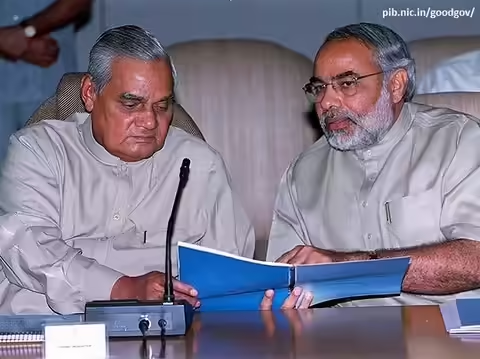

    The Young Prince

    Once Upon a Time in India(1947)
    Once Upon a Time in India(1947)

    Raja Veerendra had a son, Prince Aryan, who was brave but inexperienced. Unlike his father, Aryan was curious about the world beyond the palace walls. He often disguised himself as a commoner to explore the villages and understand the lives of ordinary people.
    Through these journeys, Aryan witnessed both the beauty and the struggles of his kingdom. He saw farmers toiling under the sun, craftsmen shaping wonders with their hands, Once Upon a Time in India(1947)and children dreaming of a brighter future. These experiences shaped his character and planted the seeds of empathy within him.


    A Mysterious Threat

    Once Upon a Time in India(1947)
    Once Upon a Time in India(1947)

    One year, as the monsoon clouds gathered, a shadow loomed over the kingdom. Reports began to surface about a mysterious force in the forest. Villagers spoke of disappearing cattle, strange noises at night, and an eerie presence that frightened even the bravest souls.

    The royal court was filled with concern. Some ministers suggested sending soldiers into the forest, while others believed it was a curse or divine punishment. Raja Veerendra, however, chose patience and wisdom over fear.

    Prince Aryan, driven by curiosity and courage, decided to uncover the truth. Without informing the court, he set out toward the forest, determined to face whatever lay hidden within.


    Journey into the Unknown

    Once Upon a Time in India(1947)
    Once Upon a Time in India(1947)

    The forest was unlike anything Aryan had seen before. Tall trees blocked the sunlight, and the air was thick with mystery. As he ventured deeper, he encountered various challenges—wild animals, treacherous paths, and moments of self-doubt.

    Yet, he also met unexpected allies. An old hermit living in the forest shared wisdom about courage and fear. A group of tribal villagers guided him through hidden paths. These encounters taught Aryan that strength does not lie only in power, but in understanding and unity.


    The Hidden Truth

    Once Upon a Time in India(1947)
    Once Upon a Time in India(1947)

    After days of exploration, Aryan discovered the source of the fear. It was not a supernatural force, but a group of displaced people who had taken refuge in the forest. Driven out of their homeland by drought and hardship, they had resorted to desperate measures to survive.

    Their actions had unintentionally caused fear among the villagers. However, they were not villains—just victims of circumstance.

    Aryan realized that the true challenge was not to defeat an enemy, but to find a solution that would bring peace to both sides.


    A Lesson in Leadership

    Once Upon a Time in India(1947)
    Once Upon a Time in India(1947)

    Returning to the kingdom, Aryan presented his findings to Raja Veerendra. Instead of punishment, the king chose compassion. He invited the displaced group to settle in a nearby area, providing them with land and resources to rebuild their lives.

    The villagers, once afraid, now welcomed the newcomers with open hearts. Over time, trust replaced fear, and the kingdom grew stronger through unity.

    This decision became a defining moment in Aryan’s life. He learned that true leadership is not about wielding power, but about making decisions that uplift everyone.


    The Transformation of a Prince

    Once Upon a Time in India(1947)
    Once Upon a Time in India(1947)

    Years passed, and Prince Aryan grew into a wise and capable leader. When Raja Veerendra eventually stepped down, Aryan ascended the throne.

    Under his rule, the kingdom flourished like never before. He encouraged education, supported innovation, and ensured justice for all. Most importantly, he never forgot the lessons he had learned during his journey into the forest.

    He remained connected to his people, often walking among them, listening to their stories, and understanding their needs.


    The Spirit of India

    Once Upon a Time in India(1947)
    Once Upon a Time in India(1947)

    This tale is not just about a prince or a kingdom—it reflects the spirit of India itself. A land where diversity is strength, where challenges are met with resilience, and where compassion often triumphs over conflict.

    India’s history is filled with such stories—of leaders who chose wisdom over war, of communities that thrived through unity, and of individuals who rose above adversity to create a better world.


    Conclusion

    Once Upon a Time in India(1947)
    Once Upon a Time in India(1947)

    Once upon a time in India, a young prince ventured into a forest and returned as a leader. His journey reminds us that every challenge carries a lesson, and every fear hides a truth waiting to be discovered.

    Even today, the essence of that story lives on. In every act of kindness, every effort to bridge differences, and every step toward understanding, the timeless spirit of India continues to shine.

    And so, the story goes on—not just in books or legends, but in the hearts of millions who believe in the power of courage, compassion, and unity.

  • Mango Pickle: A Complete Guide

    Mango Pickle: A Complete Guide
    Mango Pickle: A Complete Guide

    1. Introduction

    Mango pickle, often known as “aam ka achar,” is one of the most loved traditional condiments in many households, especially across South Asia. It is a flavorful combination of raw mangoes, spices, oil, and salt, preserved in a way that enhances its taste over time. Mango pickle is not just a side dish; it is an emotion tied to family traditions, summer rituals, and cultural heritage.Mango Pickle: A Complete Guide

    Mango Pickle: A Complete Guide The tangy, spicy, and sometimes slightly bitter taste of mango pickle complements a wide variety of meals. Whether served with simple rice and dal or stuffed inside parathas, it adds a burst of flavor that elevates even the simplest dishes.


    2. History and Cultural Significance

    Mango Pickle: A Complete Guide
    Mango Pickle: A Complete Guide

    Mango pickle has a long history dating back centuries. The practice of pickling fruits and vegetables began as a method of preservation before refrigeration existed. In hot climates, especially in India, raw mangoes were abundant during the summer season, and people found ways to store them for use throughout the year.Mango Pickle: A Complete Guide

    Over time, mango pickle became deeply embedded in cultural traditions. Recipes were passed down from generation to generation, often with each family having its own unique blend of Mango Pickle: A Complete Guidespices and techniques.Mango Pickle: A Complete Guide In many households, preparing pickle is still considered a seasonal ritual, bringing families together.Mango Pickle: A Complete Guide


    3. Types of Mango Pickle

    Mango Pickle: A Complete Guide
    Mango Pickle: A Complete Guide

    Mango pickle comes in many varieties depending on regional preferences, ingredients, and preparation methods.

    a) Spicy Mango Pickle

    This is the most common type, made with red chili powder, mustard seeds, and oil. It has a bold, fiery flavor.

    b) Sweet Mango PickleMango Pickle: A Complete Guide

    Prepared with sugar or jaggery, this version balances sweetness with tanginess. It is popular among those who prefer milder flavors.

    c) Garlic Mango Pickle

    This type includes garlic cloves, adding a strong and aromatic twist to the pickle.

    d) Oil-Free Mango Pickle

    Made without oil, this version is lighter and often consumed for health reasons.

    e) Instant Mango Pickle

    Unlike traditional pickles that take weeks to mature, instant pickles are ready within a few hours or days.


    4. Ingredients Used

    Mango Pickle: A Complete Guide
    Mango Pickle: A Complete Guide

    The ingredients in mango pickle are simple yet powerful in flavor.

    • Raw mangoes (firm and sour)
    • Mustard seeds
    • Fenugreek seeds
    • Red chili powder
    • Turmeric powder
    • Salt
    • Mustard oil or other oils
    • Optional: garlic, fennel seeds, nigella seeds, vinegar, sugar

    Each ingredient plays a specific role. For example, salt acts as a preservative, while oil helps prevent spoilage and enhances flavor.



    5. Preparation Process

    Mango Pickle: A Complete Guide
    Mango Pickle: A Complete Guide

    Step 1: Selecting Mangoes

    Choose raw, firm, and unripe mangoes. They should be free from blemishes and have a sour taste.

    Step 2: Washing and Drying

    Wash the mangoes thoroughly and dry them completely. Any moisture can spoil the pickle.

    Step 3: Cutting

    Cut the mangoes into small pieces, usually with the seed shell intact or removed depending on preference.

    Step 4: Mixing Spices

    Mix the spices in the right proportion. This is where the flavor of the pickle is defined.

    Step 5: Adding Oil

    Heat the oil slightly and let it cool before mixing it with the mangoes and spices.

    Step 6: Storing

    Store the mixture in a clean, dry glass jar.

    Step 7: Sun Drying

    Keep the jar in sunlight for several days. This helps in fermentation and enhances the taste.


    6. Importance of Sunlight in Pickling

    Mango Pickle: A Complete Guide
    Mango Pickle: A Complete Guide

    Sunlight plays a crucial role in the pickling process. It helps in natural fermentation and thickens the oil and spices. The heat also ensures that any remaining moisture evaporates,Mango Pickle: A Complete Guide reducing the risk of spoilage.

    Traditionally, jars are kept on rooftops or balconies where they receive direct sunlight. They are brought inside at night to avoid moisture.


    7. Health Benefits

    Mango Pickle: A Complete Guide

    a) Aids Digestion

    The spices used in mango pickle, such as mustard and fenugreek, help improve digestion.

    b) Rich in Antioxidants

    Raw mangoes contain vitamins and antioxidants that are beneficial for health.Mango Pickle: A Complete Guide

    c) Boosts Appetite

    The tangy and spicy taste stimulates appetite, making meals more enjoyable.Mango Pickle: A Complete Guide

    d) Source of Probiotics

    Naturally fermented pickles may contain beneficial bacteria that support gut health.


    8. Precautions While Making Pickle

    Mango Pickle: A Complete Guide
    Mango Pickle: A Complete Guide
    • Ensure all utensils are dry and clean
    • Avoid using wet hands or spoons
    • Use sufficient oil and salt for preservation
    • Store in airtight containers
    • Check regularly for spoilage

    Taking these precautions ensures a longer shelf life and better taste.


    9. Storage and Shelf Life

    Mango pickle can last from several months to even a year if stored properly. Keeping it in a cool, dry place and ensuring it is always covered with oil helps prevent spoilage.

    Mango Pickle: A Complete GuideGlass jars are preferred over plastic containers as they do not react with the acidic ingredients.


    10. Regional Variations

    North India

    Spicy and oily pickles with mustard oil are common.

    South India

    Often includes curry leaves and different spice blends.

    West India

    May include jaggery, giving a sweet and tangy flavor.

    East India

    Uses mustard paste and less oil, resulting in a unique taste.


    11. Mango Pickle in Daily Life

    Mango Pickle: A Complete Guide
    Mango Pickle: A Complete Guide

    Mango pickle is a staple in many households. It is commonly eaten with:

    • Rice and dal
    • Parathas
    • Khichdi
    • Curd rice

    It adds flavor and excitement to everyday meals.


    12. Commercial Production

    Today, mango pickle is produced on a large scale and sold in markets worldwide. However, many people still prefer homemade pickle because of its authenticity and lack of preservatives.

    Commercial pickles often use preservatives and standardized recipes, while homemade versions have a personal touch.


    13. Common Mistakes to Avoid

    • Using unripe but soft mangoes
    • Not drying mangoes properly
    • Using less oil or salt
    • Storing in damp conditions
    • Not mixing the pickle regularly during initial days

    Avoiding these mistakes ensures a perfect batch of pickle.


    14. Modern Adaptations

    With changing lifestyles, people are experimenting with new variations of mango pickle:

    • Low-oil versions
    • Organic ingredients
    • Fusion flavors
    • Ready-to-eat instant mixes

    These adaptations make mango pickle more accessible to modern consumers.


    15. Conclusion

    Mango pickle is more than just a condiment—it is a symbol of tradition, culture, and culinary creativity. Its rich flavors, long shelf life, and versatility make it a beloved part of many cuisines.

    From traditional sun-dried recipes to modern instant versions, mango pickle continues to evolve while retaining its essence. Whether homemade or store-bought, it remains a timeless addition to meals, bringing a burst of tangy and spicy delight to every bite.

  • Introduction of Mamata Banerjee in 2026: Leadership, Politics, and Legacy

    Introduction of Mamata Banerjee in 2026: Leadership, Politics, and Legacy
    Introduction of Mamata Banerjee in 2026: Leadership, Politics, and Legacy

    Introduction of Mamta banerjee

    Introduction of Mamata Banerjee in 2026: Leadership, Politics, and LegacyMamata Banerjee, popularly known as “Didi,” remains one of the most influential political figures in India in 2026. As the Chief Minister of West Bengal since 2011 and founder of the All India Trinamool Congress (TMC), she has built a unique political identity rooted in grassroots activism, welfare governance, and strong opposition to national political forces.

    By 2026, Banerjee stands at a critical juncture in her career. With another state election approaching and political tensions rising, her leadership is being tested like never before. This essay explores her background, governance model, political challenges, and her evolving role in Indian politics in 2026.


    Early Life and Political Rise

    Introduction of Mamata Banerjee in 2026: Leadership, Politics, and Legacy
    Introduction of Mamata Banerjee in 2026: Leadership, Politics, and Legacy

    Mamata Banerjee was born on January 5, 1955, in Kolkata. Coming from a lower-middle-class family, she developed a strong connection with common people early in life. Her father was a freedom fighter, and her upbringing instilled in her a deep sense of social justice and resilience.

    She entered politics at a young age through the Indian National Congress and quickly gained recognition as a fiery youth leader. In 1984, she became one of the youngest parliamentarians after defeating veteran communist leader Somnath Chatterjee.

    However, her political journey took a decisive turn in 1998 when she founded the All India Trinamool Congress. This move marked her break from Congress and her determination to challenge the long-standing Left Front rule in West Bengal.


    Rise to Power in West Bengal

    Banerjee’s biggest political achievement came in 2011 when she ended 34 years of Left Front rule and became the first female Chief Minister of West Bengal.

    Introduction of Mamata Banerjee in 2026: Leadership, Politics, and Legacy
    Introduction of Mamata Banerjee in 2026: Leadership, Politics, and Legacy

    Her victory was driven by mass movements, including protests like the Singur agitation against land acquisition. These movements established her as a leader of the people, fighting for farmers, workers, and marginalized communities.

    Since then, she has won multiple elections, including a major victory in 2021, where her party secured a two-thirds majority despite strong opposition.


    Governance Model and Welfare Policies

    One of the defining features of Mamata Banerjee’s leadership is her focus on welfare-oriented governance. Her slogan “Maa, Maati, Manush” (Mother, Land, People) reflects her political philosophy.

    Key Welfare Schemes

    Introduction of Mamata Banerjee in 2026: Leadership, Politics, and Legacy
    Introduction of Mamata Banerjee in 2026: Leadership, Politics, and Legacy
    • Kanyashree Scheme: Focused on girls’ education and empowerment; it received international recognition from the United Nations.
    • Lakshmir Bhandar: Provides financial assistance to women, strengthening household economic security.
    • Students Credit Card Scheme: Helps students pursue higher education through affordable loans.
    • Shramashree Scheme (2025): Supports migrant workers returning to the state with financial aid and rehabilitation programs.

    These schemes have contributed significantly to her popularity, especially among women, rural populations, and economically weaker sections.


    Mamata Banerjee in 2026: Political Context

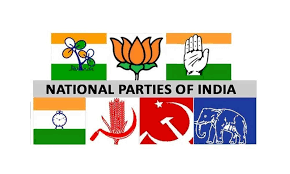
    In 2026, Mamata Banerjee faces one of the toughest elections of her career. The political atmosphere in West Bengal is highly charged, with strong competition from the Bharatiya Janata Party (BJP) and other opposition parties.

    She is contesting from Bhabanipur, continuing her political stronghold, and has expressed confidence in securing another victory for the TMC.

    Introduction of Mamata Banerjee in 2026: Leadership, Politics, and Legacy
    Introduction of Mamata Banerjee in 2026: Leadership, Politics, and Legacy

    Election Strategy

    Her strategy includes:

    • Fielding new candidates to counter anti-incumbency
    • Emphasizing welfare schemes and development
    • Positioning herself as the protector of regional identity

    She has also framed the election as a battle between regional autonomy and central dominance.


    Key Issues and Challenges in 2026

    1. Electoral Tensions and Allegations

    Banerjee has strongly criticized electoral processes such as voter list revisions, calling them unfair and politically motivated.

    Introduction of Mamata Banerjee in 2026: Leadership, Politics, and Legacy

    At the same time, opposition leaders have accused her government of corruption, unemployment, and administrative failures.At the same time, opposition leaders have accused her government of corruption, unemployment, and administrative failures.

    This mutual आरोप-प्रत्यारोप reflects the intense political rivalry shaping the 2026 elections.


    2. Conflict with Central Government

    Mamata Banerjee continues to position herself as a major opponent of the central government led by the BJP. She has frequently

    Mamata Banerjee in 2026: Political Context
    Mamata Banerjee in 2026: Political Context

    accused central agencies of targeting opposition leaders.

    Her strong statements against national leadership highlight her role as a key opposition figure at the national level.


    3. Minority and Tribal Politics

    Her government has traditionally enjoyed strong support from minority communities. However, reports suggest shifting political

    dynamics in some regions, which could impact election outcomes.

    In response, she has promised recognition of tribal religions like Sarna, aiming to consolidate support among indigenous groups.


    4. Image of Simplicity and Integrity

    One of the most striking aspects of Mamata Banerjee’s public image is her simple lifestyle. In 2026, she declared relatively modest personal assets, reinforcing her reputation as a leader who lives simply.

    This image contrasts sharply with many other politicians and continues to resonate with voters.


    Leadership Style

    Mamata Banerjee is known for her unconventional and highly personal leadership style. She often communicates directly with the public, attends rallies personally, and maintains a strong grassroots presence.

    Her leadership traits include:

    • Aggressiveness in politics
    • Emotional connection with voters
    • Centralized decision-making
    • Strong opposition stance

    She is often described as a “street fighter” politician, someone who thrives in political संघर्ष (struggle).


    Cultural and Personal Contributions

    Apart from politics, Mamata Banerjee is also a writer, poet, and painter. She has authored several books and composed songs, particularly on cultural and religious themes.

    Her cultural engagement adds another dimension to her personality, making her more relatable to the people of Bengal.


    National Role and Future Prospects

    In recent years, Mamata Banerjee has emerged as a significant national opposition leader. Many political analysts see her as a potential key figure in forming alliances against the BJP at the national level.

    Her future depends on:

    • Performance in the 2026 West Bengal elections
    • Ability to build national coalitions
    • Managing internal party dynamics

    If she secures another victory, she could strengthen her position as one of India’s most powerful regional leaders.


    Like any long-serving leader, Banerjee has faced criticism:

    • Allegations of corruption within her party
    • Accusations of authoritarian governance
    • Concerns about law and order

    Opposition parties frequently highlight these issues, especially during election periods.

    However, her supporters argue that her welfare schemes and grassroots connect outweigh these criticisms.


    Conclusion

    Mamata Banerjee in 2026 represents a complex and dynamic political figure. From her humble beginnings in Kolkata to becoming one of India’s most powerful chief ministers, her journey reflects determination, resilience, and political acumen.

    As she faces another crucial election, her leadership is under intense scrutiny. Whether she continues her dominance in West Bengal or faces a significant challenge, one thing remains certain—Mamata Banerjee will continue to play a pivotal role in shaping both state and national politics.

    Her story is not just about political success but also about th

  • Redmi 13 5G – Complete Features Explained

    Redmi 13 5G – Complete Features Explained
    Redmi 13 5G – Complete Features Explained

    🔷 Introduction

    Redmi 13 5G Smartphone

    ₹13,999•Flipkart + others

    4.0 (122)

    ₹13,999•Flipkart + others•

    4.0 (122)

    Redmi 13 5G – Complete Features Explained The Redmi 13 5G is one of the latest budget-friendly smartphones launched by Xiaomi under its Redmi series. It is designed to provide powerful features like 5G connectivity, a high-resolution camera, a large display, and long battery life at an affordable price. Introduced in 2024, this smartphone targets users who want modern technology without spending too much money.

    This phone stands out because it combines premium features such as a 108MP camera, a smooth 120Hz display, and a powerful processor, making it suitable for students, gamers, and everyday users.


    🔷 Design and Build Quality

    The Redmi 13 5G comes with a stylish and modern design that gives a premium feel. It features a crystal glass back design, which reflects light beautifully and makes the phone look attractive.

    The phone has a dual-glass body, which is rare in budget smartphones. This enhances durability and gives a flagship-like appearance. The edges are smooth, and the device is comfortable to hold.

    Key Design Features:

    • Slim and elegant body
    • Premium glass finish
    • Available in multiple colors
    • IP53 rating for dust and splash resistance

    Overall, the design of the Redmi 13 5G is modern and appealing, especially for young users.

    Redmi 13 5G – Complete Features Explained
    Redmi 13 5G – Complete Features Explained

    🔷 Display Features

    The display is one of the strongest features of this phone. It comes with a large 6.79-inch Full HD+ IPS LCD display, which provides a great viewing experience.

    Display Specifications:

    • Screen Size: 6.79 inches
    • Resolution: 2460 × 1080 pixels (FHD+)
    • Refresh Rate: Up to 120Hz
    • Protection: Corning Gorilla Glass 3

    The 120Hz refresh rate makes scrolling smooth and improves gaming performance. Watching videos, browsing, and playing games feels fluid and enjoyable.

    The display also supports Wet Touch Technology, which allows the screen to respond even when your fingers are wet.


    🔷 Performance and Processor

    The Redmi 13 5G is powered by the Qualcomm Snapdragon 4 Gen 2 AE processor, which is built on a 4nm architecture.

    This processor ensures:

    • Smooth multitasking
    • Efficient power consumption
    • Good gaming performance

    Performance Highlights:

    • Octa-core CPU
    • Adreno GPU for graphics
    • Up to 8GB RAM
    • Storage up to 128GB or more

    The phone can handle daily tasks like social media, video streaming, and light gaming very easily. It is also capable of running popular games with decent performance.

    Redmi 13 5G – Complete Features Explained
    Redmi 13 5G – Complete Features Explained

    🔷 Operating System and User Interface

    The smartphone runs on Android 14 with Xiaomi’s HyperOS.

    HyperOS is designed to provide:

    • Smooth user experience
    • Better app management
    • Improved battery optimization

    The interface is clean and customizable. Users can change themes, icons, and layouts according to their preferences.

    Redmi 13 5G – Complete Features Explained
    Redmi 13 5G – Complete Features Explained

    🔷 Camera Features

    One of the biggest highlights of the Redmi 13 5G is its 108MP primary camera.

    Rear Camera:

    • 108MP main camera
    • 2MP macro camera

    The high-resolution camera captures detailed and sharp images. It performs well in daylight and also supports features like HDR and AI enhancements.

    Front Camera:

    • 13MP selfie camera

    The front camera is good for selfies and video calls.

    Special Camera Features:

    • Ring Flash for better lighting
    • Portrait mode
    • Night mode
    • AI scene detection

    The ring flash is unique and helps in low-light photography as well as notifications.

    Redmi 13 5G – Complete Features Explained
    Redmi 13 5G – Complete Features Explained

    🔷 Battery and Charging

    The Redmi 13 5G is equipped with a large 5030mAh battery, which provides long-lasting usage.

    Battery Features:

    • 5030mAh capacity
    • 33W fast charging support

    This battery can easily last:

    • One full day of normal usage
    • Several hours of gaming or video streaming

    The fast charging feature allows the phone to charge quickly, saving time.


    🔷 Connectivity Features

    As the name suggests, the Redmi 13 5G supports 5G connectivity, which ensures faster internet speeds and better network performance.

    Connectivity Options:

    • 5G and 4G LTE
    • Wi-Fi
    • Bluetooth 5.x
    • GPS
    • USB Type-C port
    • 3.5mm headphone jack

    It also includes an IR blaster, which allows you to control electronic devices like TVs and ACs.

    Redmi 13 5G – Complete Features Explained
    Redmi 13 5G – Complete Features Explained

    🔷 Storage and Memory

    The smartphone offers multiple storage and RAM options.

    Memory Options:

    • RAM: 4GB / 6GB / 8GB
    • Storage: 128GB / 256GB

    It also supports microSD card expansion up to 1TB, giving users plenty of space for apps, photos, and videos.


    🔷 Security Features

    The Redmi 13 5G provides essential security options to protect user data.

    Security Options:

    • Side-mounted fingerprint sensor
    • Face unlock

    These features ensure quick and secure access to the phone.


    🔷 Audio and Multimedia

    The device offers a good multimedia experience with:

    • Mono speaker
    • 3.5mm headphone jack
    • Support for high-quality audio

    While it has a single speaker, the sound quality is decent for everyday use like watching videos and listening to music.


    🔷 Gaming Performance

    The Snapdragon processor and 120Hz display make the Redmi 13 5G suitable for casual gaming.

    Gaming Features:

    • Smooth graphics performance
    • Good thermal management
    • Stable frame rates

    Games like BGMI, Free Fire, and Call of Duty can run smoothly on medium settings.


    🔷 Durability and Protection

    The phone is built to last with several protective features:

    • Gorilla Glass 3 protection
    • IP53 rating (dust and splash resistant)

    This makes it durable for everyday usage.


    🔷 Special Features

    Some unique features of the Redmi 13 5G include:

    • Ring Flash (acts as notification light)
    • Wet Touch Display
    • IR Blaster
    • Dual-glass design

    These features make the phone stand out in the budget segment.


    🔷 Advantages of Redmi 13 5G

    Here are the main benefits of this smartphone:

    • Affordable price
    • 108MP high-resolution camera
    • Large 120Hz display
    • Strong battery life
    • 5G connectivity
    • Premium design

    🔷 Disadvantages of Redmi 13 5G

    Despite many advantages, it has some limitations:

    • IPS LCD instead of AMOLED
    • Average low-light photography
    • Mono speaker
    • Not ideal for heavy gaming

    🔷 PRODUCT COMPARISON TABLE

    FeatureRedmi 13 5G Smartphone₹13,999•Flipkart + othersRedmi Note 13 5G₹20,999•amazon.in + othersRealme 13 5G Mobile Phone₹15,499•93mobiles + others
    Display6.79″ IPS LCD, 120HzAMOLED, 120HzIPS LCD, 120Hz
    ProcessorSnapdragon 4 Gen 2Dimensity chipsetDimensity chipset
    Camera108MP108MP50MP
    Battery5030mAh5000mAh5000mAh
    Charging33W33W45W
    OSAndroid 14 (HyperOS)Android 13/14Android 14
    Price RangeBudgetMid-rangeBudget

    🔷 Conclusion

    The Redmi 13 5G is a well-balanced smartphone that offers excellent features at a budget price. It is ideal for users who want a stylish phone with good performance, a high-quality camera, and long battery life.

    Although it has some limitations like an LCD display and average gaming performance, it still provides great value for money. For students and everyday users, this phone is a smart and practical choice.


    🔷 Final Verdict

    If you are looking for a budget 5G smartphone with modern features, the Redmi 13 5G is definitely worth considering. It successfully combines performance, design, and affordability, making it one of the best options in its segment.


    Explore more

    Browse All

  • DR.BABASAHEB BHIM RAO AMBEDKAR

    DR.BABASAHEB AMBEDKAR(1891)
    DR.BABASAHEB AMBEDKAR(1891)

    Introduction

    DR.BABASAHEB AMBEDKAR(1891) Dr. Bhim Rao Ambedkar was one of the most important leaders in Indian history. He was a great social reformer, economist, jurist, and political leader who dedicated his life to fighting against social inequality and injustice. He is widely known as the “Father of the Indian Constitution” because of his key role in drafting it. His life is an inspiring example of determination, hard work, and commitment to equality and justice.

    Early Life and Education

    Bhim Rao Ambedkar was born on April 14, 1891, in Mhow, Madhya Pradesh, in a Dalit family. During his childhood, he faced severe discrimination because of the caste system. He was not allowed to sit with other students or drink water from the same source in school. Despite these difficulties, he was very intelligent and focused on his studies. He went on to study at prestigious institutions like Columbia University and the London School of Economics, earning multiple degrees and becoming highly educated.

    DR.BABASAHEB AMBEDKAR(1891)
    DR.BABASAHEB AMBEDKAR(1891)

    Struggles Against Social Discrimination

    Bhimrao Ramji Ambedkar https://history.brambedkar.in/dr-ambedkar-early-life-education

    Ambedkar dedicated his life to ending the caste system and fighting for the rights of Dalits and other marginalized communities. He strongly opposed untouchability and worked to promote equality in society. Through his speeches, writings, and movements, he encouraged people to stand against injustice. His famous slogan “Educate, Agitate, Organize” motivated people to fight for their rights.

    DR.BABASAHEB AMBEDKAR(1891)
    DR.BABASAHEB AMBEDKAR(1891)

    Dr. Ambedkar played a major role in drafting the Constitution of India as the Chairman of the Drafting Committee. He ensured that the Constitution provided equal rights to all citizens, regardless of caste, religion, or gender. He included important features like fundamental rights, equality before law, and abolition of untouchability. His vision helped build a democratic and fair society.

    Role in Indian Constitution

    DR.BABASAHEB AMBEDKAR(1891)
    DR.BABASAHEB AMBEDKAR(1891)

    Political Career and Reforms

    Ambedkar was also an active political leader. He served as the first Law Minister of independent India. He worked on laws to improve the condition of women and backward classes. He introduced the Hindu Code Bill to give women rights in property and marriage. Although it was not fully passed at that time, it was a significant step toward gender equality.

    Conversion to Buddhism

    Dr. Ambedkar was deeply dissatisfied with the caste system in Hinduism. In 1956, he converted to Buddhism along with thousands of his followers. He believed Buddhism promoted equality, peace, and human dignity. His conversion was a major social movement and inspired many people to follow his path.

    Legacy and Contribution

    Dr. B. R. Ambedkar’s contributions to India are immense. He is remembered as a champion of social justice and equality. His ideas continue to inspire movements for human rights and social reform. Many institutions, universities, and public places are named after him in his honor.

    Legacy and Impact

    The legacy of Ambedkar is vast and enduring. He is remembered as a champion of human rights and a pioneer of social justice in India. His ideas have influenced policies related to affirmative action, education, and social welfare.

    Ambedkar’s birth anniversary, April 14, is celebrated as Ambedkar Jayanti across India. Numerous institutions, universities, and public places are named in his honor.

    His life continues to inspire movements for equality and justice, not only in India but around the world.

    Literary Contributions

    Ambedkar was a prolific writer and thinker. Some of his most important works include:

    • “Annihilation of Caste” – A powerful critique of the caste system
    • “The Problem of the Rupee” – An economic analysis of India’s currency system
    • “Who Were the Shudras?” – A historical study of caste origins
    • “The Buddha and His Dhamma” – A philosophical work on Buddhism

    His writings continue to be studied for their insights into social, political, and economic issues.

    Conclusion

    Dr. Bhim Rao Ambedkar’s life teaches us the importance of education, equality, and perseverance. Despite facing discrimination, he rose to become one of the greatest leaders of India. His efforts helped shape a more just and democratic society. He will always be remembered as a symbol of courage and social change.