1. Introduction
Biography of Atal Bihari Vajpayee
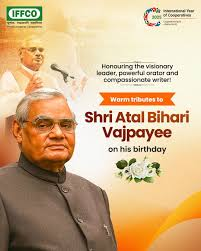
Atal Bihari Vajpayee was one of India’s most respected political leaders, known for his eloquence, moderation, and statesmanship. He served as the Prime Minister of India three times and played a crucial role in shaping modern India’s political and economic landscape. A gifted orator, poet, and visionary, Vajpayee stood out as a leader who could bridge ideological divides and command respect across party lines.
2. Early Life and Background
Atal Bihari Vajpayee was born on December 25, 1924, in Gwalior. His father, Krishna Bihari Vajpayee, was a school teacher and a poet, which greatly influenced Atal’s interest in literature and public speaking. His mother, Krishna Devi Vajpayee, was a homemaker.
From a young age, Vajpayee showed intellectual curiosity and a strong inclination toward politics and nationalism. He completed his schooling in Gwalior and later pursued higher education at Victoria College (now Laxmi Bai College). He went on to earn a Master’s degree in Political Science from DAV College.
3. Entry into Politics
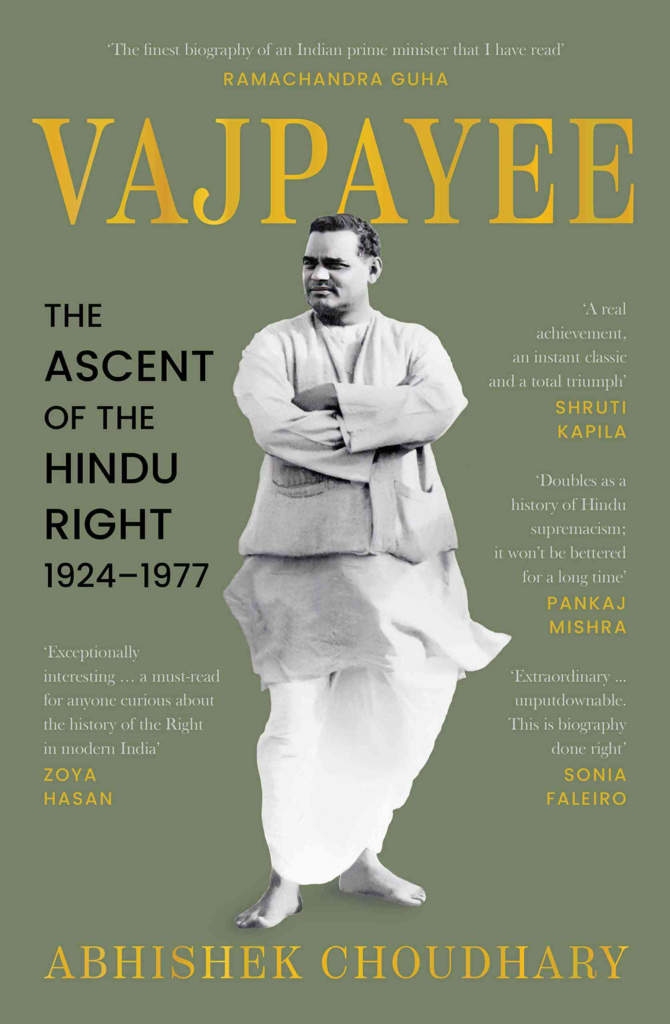
Vajpayee’s political journey began during his student days when he joined the Rashtriya Swayamsevak Sangh (RSS). The values of discipline, nationalism, and service deeply influenced his political ideology. Biography of Atal Bihari Vajpayee
He later became associated with the Bharatiya Jana Sangh, founded by Syama Prasad Mukherjee. Vajpayee quickly rose within the party ranks due to his oratory skills and ability to connect with people.
4. Role in Indian Politics (1950s–1970s)
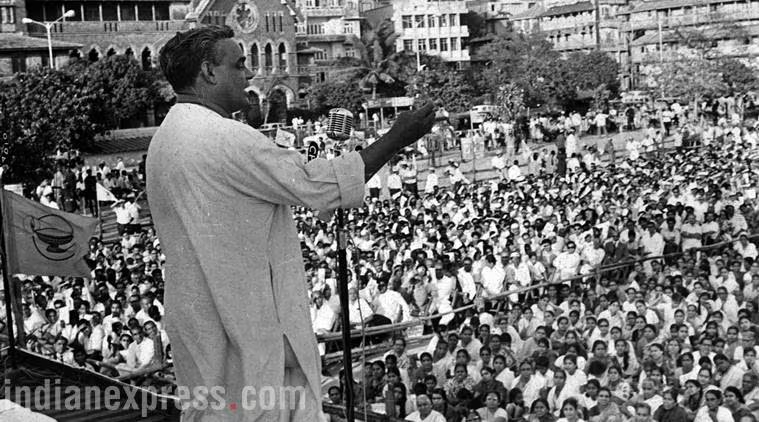
Vajpayee was first elected to the Lok Sabha in 1957 from Balrampur. His speeches in Parliament earned him admiration from leaders across the political spectrum, including Jawaharlal Nehru, who reportedly predicted that Vajpayee would one day become Prime Minister.
During the 1960s and 70s, Vajpayee emerged as a prominent national leader. He strongly opposed authoritarianism during the The Emergency in India imposed by Indira Gandhi. He was imprisoned during this period, which further strengthened his democratic credentials.
5. Formation of Bharatiya Janata Party (BJP)
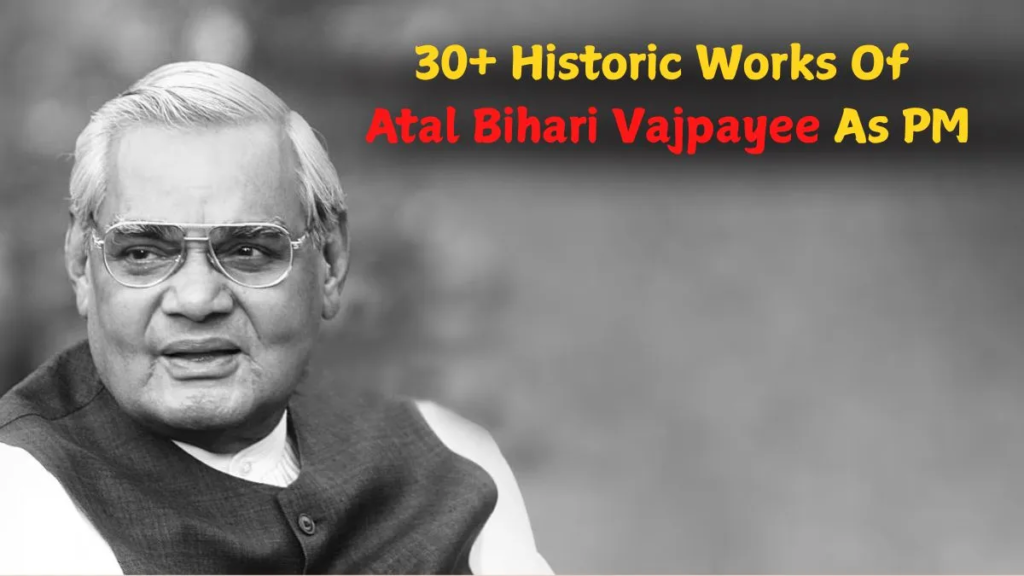
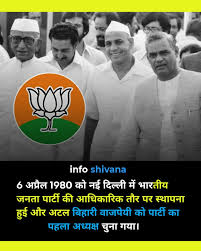
In 1980, Vajpayee co-founded the Bharatiya Janata Party (BJP) along with Lal Krishna Advani and others. Vajpayee became the party’s first president.
Under his leadership, the BJP initially adopted a moderate and inclusive approach. Though the party faced setbacks in the early years, Vajpayee’s vision laid the foundation for its future growth into a dominant political force.
6. Prime Ministerial Tenure
a. First Term (1996)
Vajpayee first became Prime Minister in 1996, but his government lasted only 13 days due to a lack of majority support in Parliament. Despite the short tenure, he demonstrated dignity and respect for democratic processes by resigning gracefully.
b. Second Term (1998–1999)
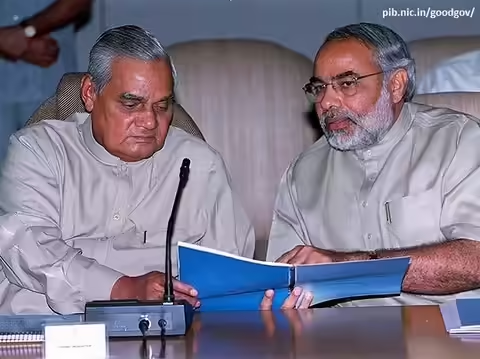
Biography of Atal Bihari Vajpayee In 1998, Vajpayee returned as Prime Minister leading a coalition government. During this period, India conducted the Pokhran-II nuclear tests, declaring itself a nuclear power. This move brought international attention and sanctions but also established India’s strategic strength. Biography of Atal Bihari Vajpayee
Another major event during his tenure was the Kargil War, where India successfully defended its territory. Vajpayee’s leadership during the conflict was widely praised.
c. Third Term (1999–2004)
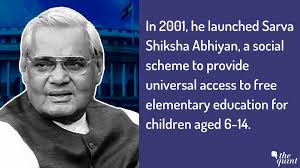
Vajpayee’s third term was the most significant and stable. He led the National Democratic Alliance (NDA) government for a full five-year term.
Key achievements include:
- Economic Reforms: Promoted privatization and economic liberalization.
- Infrastructure Development: Initiated the Golden Quadrilateral, connecting major cities through highways.
- Telecom Revolution: Policies during his tenure led to rapid growth in the telecommunications sector.
- Peace Initiatives: Made efforts to improve relations with Pakistan, including the historic Lahore Bus Diplomacy.
7. Foreign Policy and Diplomacy
Vajpayee’s foreign policy was marked by pragmatism and balance. While asserting India’s strength through nuclear tests, he also worked toward peace and dialogue.
His efforts to normalize relations with Pakistan showed his belief in diplomacy. Even after the Kargil conflict, he continued to advocate for peaceful engagement.
He also strengthened India’s ties with major global powers, including the United States, Russia, and European nations.
8. Personal Life and Personality
Atal Bihari Vajpayee remained unmarried throughout his life, dedicating himself fully to public service. He was known for his simplicity, humility, and sense of humor.
Apart from politics, Vajpayee was a gifted poet. His poems reflected deep philosophical insights, patriotism, and human emotions. Some of his works remain popular among Hindi literature enthusiasts.
His oratory skills were legendary. Whether in Parliament or public rallies, his speeches were marked by clarity, wit, and emotional depth.
9. Awards and Recognition
Vajpayee received numerous awards for his contributions to the nation:
- Bharat Ratna (2015)
- Padma Vibhushan (1992)
These honors reflect the immense respect he commanded across the country.
10. Later Years and Death
After retiring from active politics in the mid-2000s due to health issues, Vajpayee largely stayed away from public life.
He passed away on August 16, 2018, in New Delhi. His death marked the end of an era in Indian politics. The entire nation mourned his loss, and he was given a state funeral with full honors.
11. Legacy
The legacy of Atal Bihari Vajpayee is profound and enduring:
- He strengthened democratic values and parliamentary traditions.
- He transformed the BJP into a major national party.
- He promoted inclusive politics and coalition governance.
- His infrastructure and economic policies continue to shape India’s growth.
- He remains a symbol of integrity, moderation, and visionary leadership.
12. Conclusion
Atal Bihari Vajpayee was not just a politician but a statesman who left an indelible mark on India’s history. His ability to balance ideology with pragmatism, strength with compassion, and politics with poetry made him truly unique.
He is remembered as a leader who rose above partisan politics and worked for the greater good of the nation. His life continues to inspire generations of leaders and citizens alike.
If you want, I can also convert this into a shorter essay, add quotes, or make it suitable for school exams.
Leave a Reply