Blog

  • Ambedkar Jayanti(Edition 2026)

    Introduction

    Ambedkar Jayanti(Edition 2026) Bhimrao Ramji Ambedkar, widely known as Dr. B. R. Ambedkar, was one of the greatest leaders and thinkers in Indian history. He was a jurist, economist, social reformer, and political leader who devoted his life to eliminating social inequality and uplifting the oppressed sections of society. He is best remembered as the chief architect of the Indian Constitution and a champion of human rights.


    Early Life and Background

    Dr. B. R. Ambedkar was born on April 14, 1891, in Mhow, a town in present-day Madhya Pradesh. He belonged to the Mahar caste, which was considered “untouchable” in the traditional Hindu social order. From childhood, he faced severe discrimination and social exclusion.
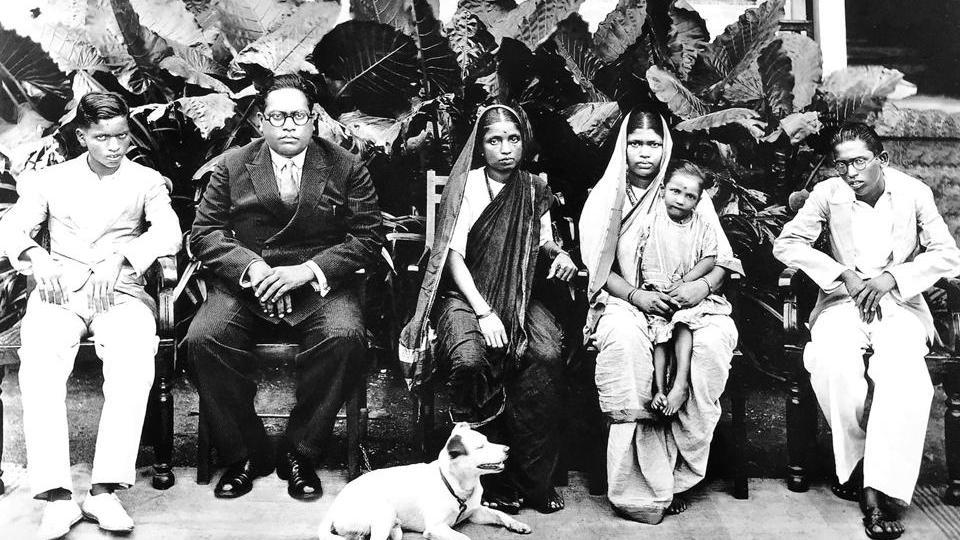
    In school, he was not allowed to sit with other students and was often denied access to drinking water. These painful experiences deeply influenced his thinking and inspired him to fight against social injustice throughout his life. Despite these hardships, Ambedkar was a bright student and showed great determination to pursue education.


    Education and Academic Achievements

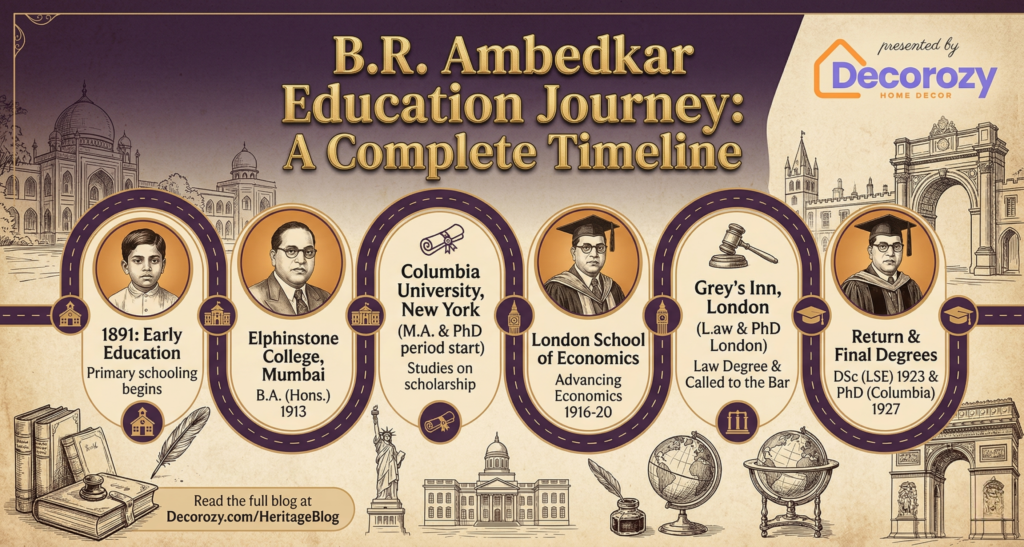
    Ambedkar’s educational journey was extraordinary. He completed his early education in India and later received a scholarship from the Maharaja of Baroda to study abroad. He pursued higher education at Columbia University, where he earned a Master’s degree and a Ph.D.
    Ambedkar Jayanti(Edition 2026)

    He then moved to England and studied at the London School of Economics and Gray’s Inn, where he trained as a lawyer. His studies in economics, law, and political science made him one of the most highly educated Indians of his time.


    Struggle Against Caste System

    Ambedkar dedicated his life to fighting against the caste system and untouchability. He believed that caste discrimination was the root cause of social inequality in India. He organized movements and campaigns to secure equal rights for Dalits.
    Ambedkar Jayanti(Edition 2026)

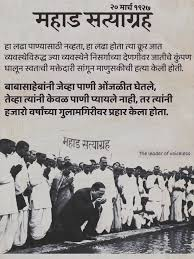
    One of his major movements was the Mahad Satyagraha in 1927, where he led people to drink water from a public tank, asserting their right to access public resources. He also fought for temple entry rights for Dalits and encouraged them to stand up for their dignity.


    Political Career and Ideology

    Ambedkar was an influential political leader who represented the interests of the oppressed classes. He participated in the Round Table Conferences in London and demanded political rights for Dalits.

    He had disagreements with Mahatma Gandhi on issues like separate electorates for Dalits. This led to the Poona Pact of 1932, which provided reserved seats for Dalits in legislatures.

    Ambedkar founded political parties such as the Independent Labour Party and the Scheduled Castes Federation to fight for social justice and equality.

    Ambedkar Jayanti(Edition 2026)

    Role in Framing the Indian Constitution

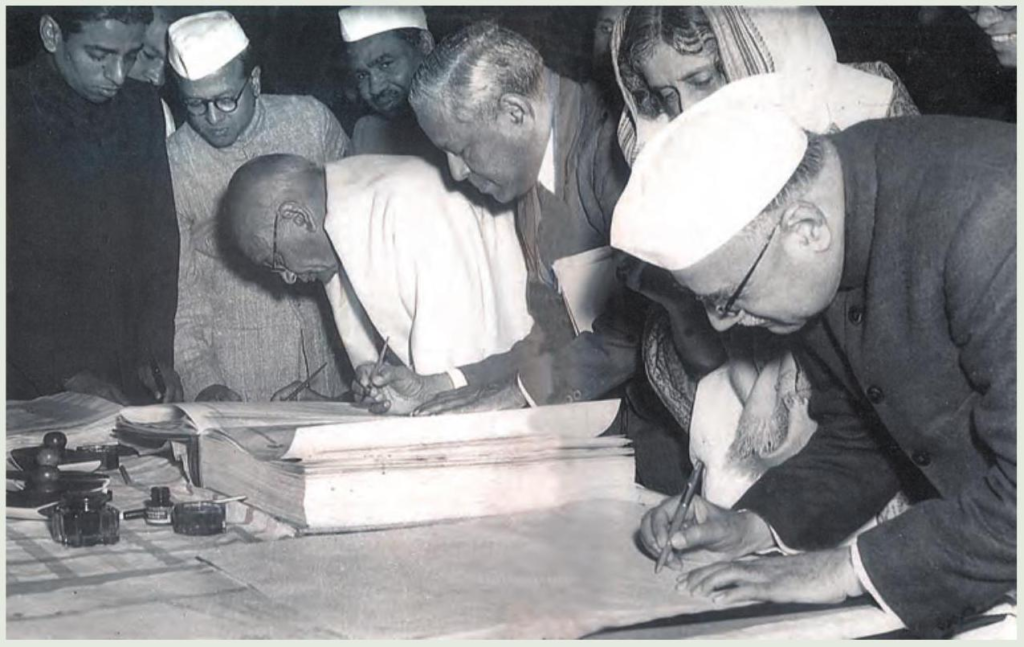
    After India gained independence in 1947, Ambedkar was appointed as the Chairman of the Drafting Committee of the Constitution. He also served as the first Law Minister of India.

    The Indian Constitution, adopted in 1950, guarantees fundamental rights such as equality, freedom, and justice to all citizens. Ambedkar ensured the inclusion of provisions like:

    • Abolition of untouchability
    • Equality before law
    • Fundamental rights
    • Reservation for backward classes

    His vision was to create a society based on equality and justice.
    Ambedkar Jayanti(Edition 2026)

    Views on Religion and Conversion to Buddhism

    Ambedkar strongly criticized the caste system within Hinduism. He believed that true equality could not be achieved under such a system. After deep reflection, he decided to convert to another religion.

    In 1956, he embraced Buddhism along with his followers in Nagpur. He believed Buddhism promoted equality, compassion, and rational thinking. His conversion inspired millions of people and marked a significant social movement.


    Economic and Social Ideas

    Ambedkar was also a great economist and thinker. He emphasized the importance of economic equality along with social justice. He supported industrialization, labor rights, and land reforms.

    He believed that without economic development, social equality could not be achieved. His ideas continue to influence modern economic policies and social reforms in India.


    Legacy and Contributions

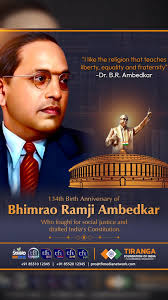
    Dr. B. R. Ambedkar’s contributions to India are immense. He is known as the “Father of the Indian Constitution” and a pioneer of social justice. His work has inspired generations to fight against inequality and injustice.
    Ambedkar Jayanti(Edition 2026)

    His birth anniversary, April 14, is celebrated as Ambedkar Jayanti across India. Many institutions and public places are named after him in honor of his contributions.


    https://www.instagram.com/reel/DXFWHyCEh3R

    Conclusion

    Dr. B. R. Ambedkar was a visionary leader who dedicated his life to the upliftment of the oppressed and the creation of an equal society. From facing discrimination in his early life to becoming one of the greatest leaders of India, his journey is truly inspiring.

    His ideals of equality, justice, and human dignity remain relevant even today. Ambedkar’s life teaches us that education, courage, and determination can bring about meaningful change in society.
  • How to Make Mango Pickle: A Complete Step-by-Step Guide(2026)

    how-to-make-mango-pickle:-a-complete-step-by-step-guide

    How to Make Mango Pickle: A Complete Step-by-Step Guide

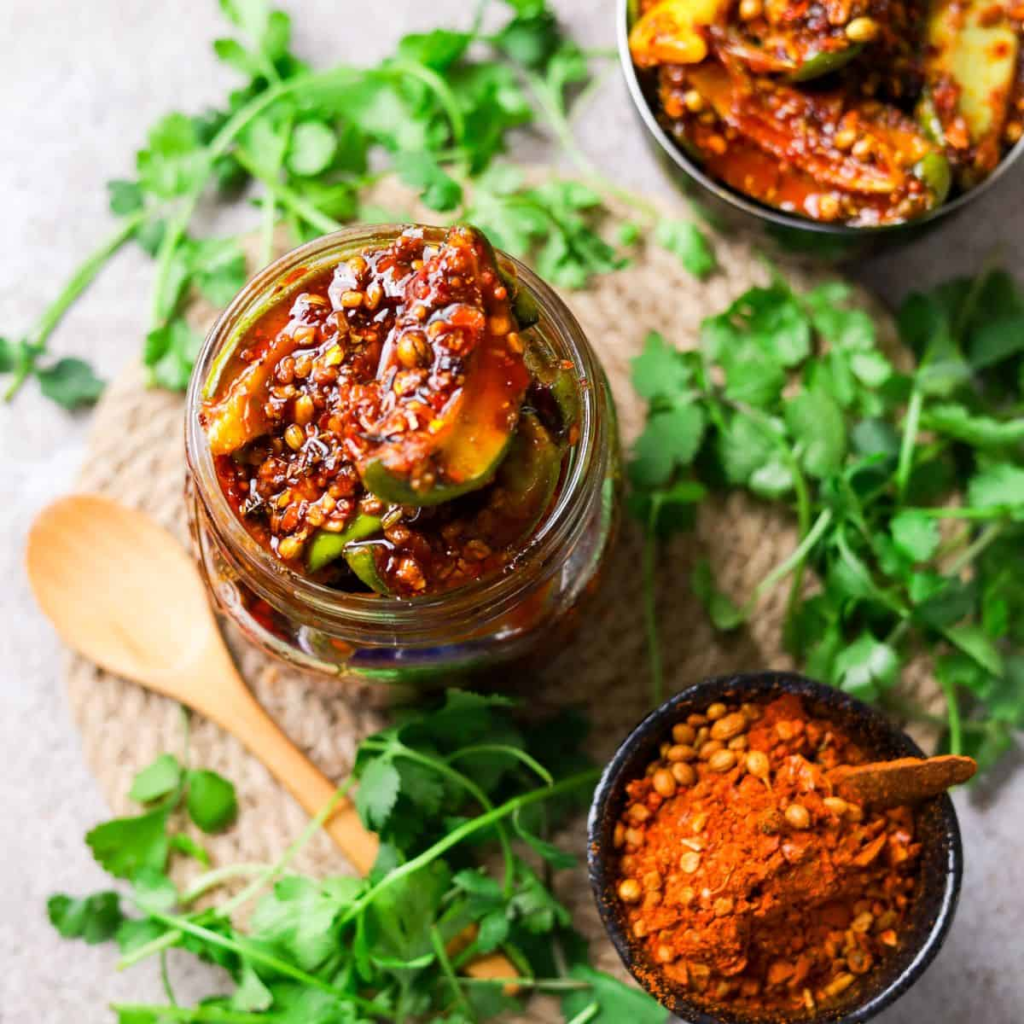
    How to Make Mango Pickle: A Complete Step-by-Step Guide how-to-make-mango-pickle:-a-complete-step-by-step-guide Mango pickle is one of the most beloved condiments in many households, especially across South Asia. Its bold flavors—spicy, tangy, salty, and sometimes slightly bitter—make it a perfect companion to simple meals like rice, dal, or flatbreads. Making mango pickle at home is not only rewarding but also allows you to customize the taste according to your preference. This detailed guide will walk you through every step of the process, from selecting the right mangoes to storing your pickle for long-term use.


    1. Understanding Mango Pickle

    Before diving into the process, it’s important to understand what mango pickle is. Typically made using raw (unripe) mangoes, this pickle is preserved using salt, oil, and spices. The combination of these ingredients acts as a natural preservative, allowing the pickle to last for months or even years if stored properly.

    There are many regional variations—some use mustard oil, others sesame oil; some are spicy, others mildly tangy. This guide focuses on a classic style that balances all flavors.

    How to Make Mango Pickle: A Complete Step-by-Step Guide

    2. Ingredients Required

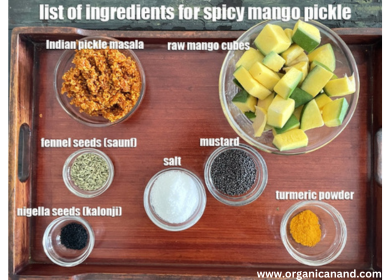
    Here’s a standard list of ingredients you will need:

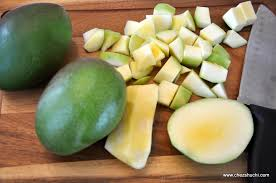
    • Raw green mangoes – 1 kg
    • Salt – 150–200 grams
    • Turmeric powder – 2 tablespoons
    • Red chili powder – 3–4 tablespoons (adjust to taste)
    • Mustard seeds (yellow or black) – 3 tablespoons
    • Fenugreek seeds – 1 tablespoon
    • Fennel seeds – 2 tablespoons (optional)
    • Nigella seeds – 1 teaspoon
    • Asafoetida (hing) – 1/2 teaspoon
    • Mustard oil – 250–300 ml

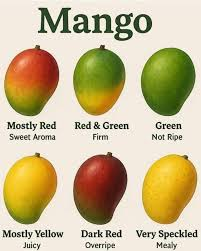
    3. Choosing the Right Mangoes

    The success of your pickle starts with selecting the right mangoes.

    Firm mangoes ensure that the pickle pieces remain crunchy even after months of storage.

    How to Make Mango Pickle: A Complete Step-by-Step Guide

    4. Washing and Drying

    Cleanliness is extremely important in pickle-making because any moisture can lead to spoilage.

    1. Wash the mangoes thoroughly under running water to remove dirt and residue.
    2. Wipe them dry with a clean cloth.
    3. Spread them on a clean towel and let them air dry completely.

    Important Tip: There should be absolutely no moisture on the mangoes before cutting.


    5. Cutting the Mangoes

    Cutting is a crucial step and requires some care.

    • Use a strong, sharp knife.
    • Cut the mangoes into medium-sized pieces, typically with the seed shell intact (depending on preference).
    • Ensure the pieces are uniform in size so they pickle evenly.

    If you prefer softer pickle pieces, you can remove the hard inner shell, but traditionally it is kept for texture.

    How to Make Mango Pickle: A Complete Step-by-Step Guide

    6. Initial Salting Process

    This step helps in removing excess moisture and softening the mangoes slightly.

    1. Place the cut mango pieces in a large bowl.
    2. Add salt and turmeric powder.
    3. Mix thoroughly so that every piece is coated.
    4. Cover the bowl and leave it for 2–3 days.

    During this time:

    • The mangoes will release water.
    • The pieces will shrink slightly and absorb salt.

    Stir the mixture once daily using a dry spoon.


    7. Drying the Mango Pieces (Optional but Recommended)

    After the salting process:

    • Drain excess liquid (you can keep this liquid for later use).
    • Spread the mango pieces on a clean cloth or tray.
    • Sun-dry them for 4–6 hours.

    This step enhances shelf life and improves texture, but it is optional depending on the style of pickle you prefer.

    https://www.youtube.com/results?search_query=How+to+Make+Mango+Pickle%3A+A+Complete+Step-by-Step+Guide


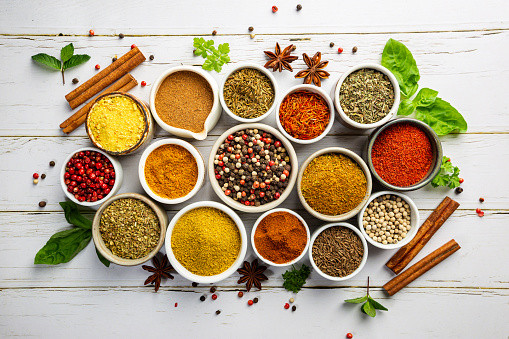
    8. Preparing the Spice Mix

    The spice mix is what gives mango pickle its signature flavor.

    1. Dry roast mustard seeds and fenugreek seeds lightly until aromatic.
    2. Let them cool completely.
    3. Coarsely grind them using a grinder or mortar and pestle.

    Now mix:

    • Ground mustard and fenugreek
    • Red chili powder
    • Fennel seeds
    • Nigella seeds
    • Asafoetida

    This mixture should be coarse, not a fine powder.

    How to Make Mango Pickle: A Complete Step-by-Step Guide

    9. Heating the Oil

    Oil acts as a preservative and flavor carrier.

    1. Heat mustard oil in a pan until it reaches its smoking point.
    2. Turn off the heat and let it cool completely.

    Heating removes the raw smell of mustard oil and makes it suitable for pickling.


    10. Mixing Everything Together

    Now comes the main step.

    1. Take the salted mango pieces in a large dry bowl.
    2. Add the prepared spice mix.
    3. Pour the cooled mustard oil over the mixture.
    4. Mix thoroughly so that every piece is well coated.

    Make sure:

    • The oil covers the mango pieces completely.
    • There are no dry patches.

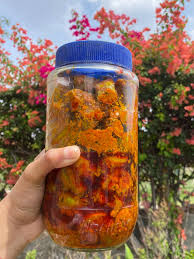
    11. Filling the Jar

    Storage plays a vital role in the longevity of your pickle.

    • Use a clean, dry glass or ceramic jar.
    • Avoid plastic or metal containers.
    • Transfer the pickle into the jar carefully.

    Press down the mixture to remove air pockets. Ensure that a layer of oil floats on top, covering the pickle completely.


    12. Sun Curing

    Sunlight enhances the flavor and helps in natural fermentation.

    • Place the jar in direct sunlight for 7–10 days.
    • Shake or stir the jar gently once a day.

    During this period:

    • The mango pieces will absorb spices and oil.
    • The flavors will deepen and mature.

    13. Checking for Readiness

    After about 10 days:

    • Taste a piece to check softness and flavor.
    • The mango should be tender but not mushy.
    • The spices should taste well blended and balanced.

    If needed, you can continue sun-curing for a few more days.


    14. Storage Tips

    Proper storage ensures your pickle lasts for months.

    • Always use a dry spoon when serving.
    • Keep the jar tightly sealed.
    • Store in a cool, dry place away from moisture.

    If stored correctly, mango pickle can last up to a year or more.


    15. Common Mistakes to Avoid

    Here are some common errors and how to avoid them:

    • Moisture contamination: Always keep everything dry.
    • Insufficient oil: Mango pieces must be fully submerged.
    • Under-salting: Salt is a preservative; do not reduce it too much.
    • Skipping sun exposure: It affects flavor and preservation.

    16. Variations You Can Try

    Once you master the basic recipe, you can experiment:

    • Add garlic cloves for a stronger flavor.
    • Use jaggery for a sweet-spicy version.
    • Try vinegar-based pickles for a tangy twist.

    Each variation gives a unique taste profile.


    17. Health Considerations

    Mango pickle is delicious but should be consumed in moderation.

    • High in salt and oil
    • Can aid digestion in small amounts
    • Contains spices with antioxidant properties

    Pairing it with simple meals enhances both taste and digestion.


    18. Serving Suggestions

    Mango pickle pairs beautifully with:

    • Steamed rice and lentils
    • Parathas or rotis
    • Curd rice
    • Khichdi

    Even a small spoonful can elevate an entire meal.


    19. Why Homemade is Better

    Making mango pickle at home has several advantages:

    • No artificial preservatives
    • Customizable spice levels
    • Better hygiene and quality control
    • Rich, authentic taste

    It also carries a sense of tradition and satisfaction.


    20. Final Thoughts

    Making mango pickle may seem like a lengthy process, but it is simple when broken down into steps. Patience is key—good pickle takes time to mature and develop its full flavor. Once you try making it at home, you’ll likely never want to go back to store-bought versions.

    With the right ingredients, careful preparation, and proper storage, your homemade mango pickle can become a staple in your kitchen—bringing bursts of flavor to everyday meals for months to come.