Introduction
Ambedkar Jayanti(Edition 2026) Bhimrao Ramji Ambedkar, widely known as Dr. B. R. Ambedkar, was one of the greatest leaders and thinkers in Indian history. He was a jurist, economist, social reformer, and political leader who devoted his life to eliminating social inequality and uplifting the oppressed sections of society. He is best remembered as the chief architect of the Indian Constitution and a champion of human rights.
Early Life and Background
Dr. B. R. Ambedkar was born on April 14, 1891, in Mhow, a town in present-day Madhya Pradesh. He belonged to the Mahar caste, which was considered “untouchable” in the traditional Hindu social order. From childhood, he faced severe discrimination and social exclusion.
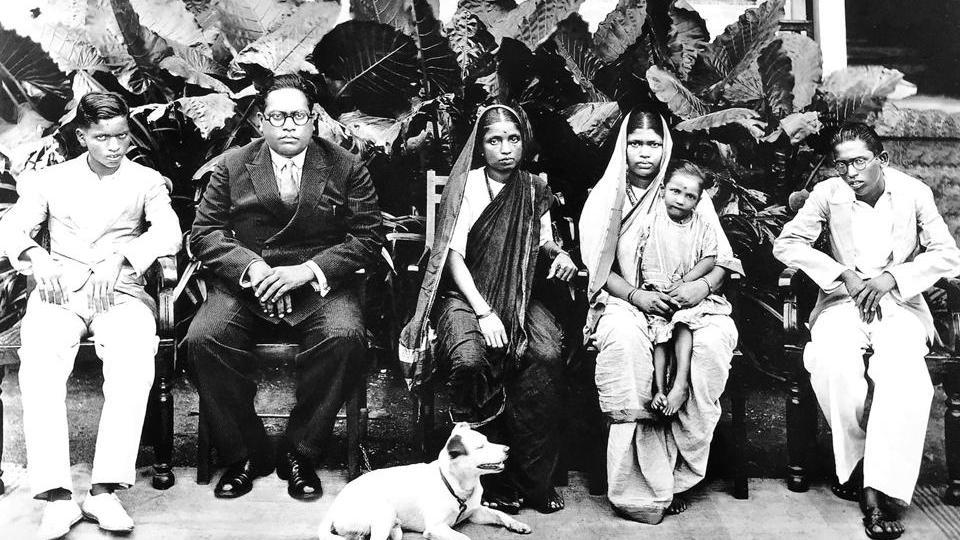
In school, he was not allowed to sit with other students and was often denied access to drinking water. These painful experiences deeply influenced his thinking and inspired him to fight against social injustice throughout his life. Despite these hardships, Ambedkar was a bright student and showed great determination to pursue education.
Education and Academic Achievements
Ambedkar’s educational journey was extraordinary. He completed his early education in India and later received a scholarship from the Maharaja of Baroda to study abroad. He pursued higher education at Columbia University, where he earned a Master’s degree and a Ph.D.
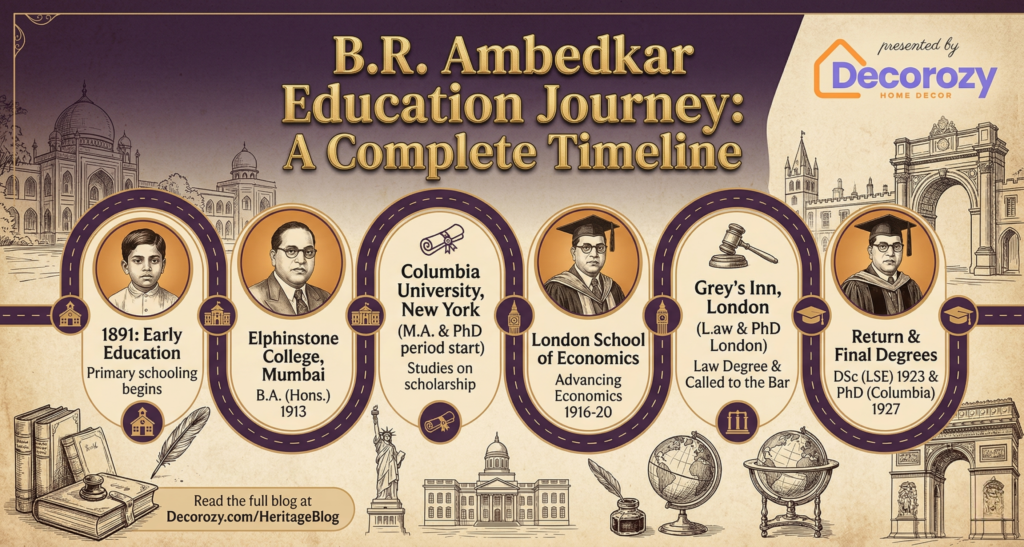
He then moved to England and studied at the London School of Economics and Gray’s Inn, where he trained as a lawyer. His studies in economics, law, and political science made him one of the most highly educated Indians of his time.
Struggle Against Caste System
Ambedkar dedicated his life to fighting against the caste system and untouchability. He believed that caste discrimination was the root cause of social inequality in India. He organized movements and campaigns to secure equal rights for Dalits.
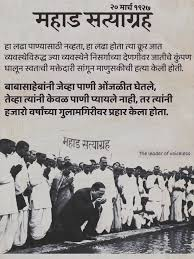
One of his major movements was the Mahad Satyagraha in 1927, where he led people to drink water from a public tank, asserting their right to access public resources. He also fought for temple entry rights for Dalits and encouraged them to stand up for their dignity.
Political Career and Ideology
Ambedkar was an influential political leader who represented the interests of the oppressed classes. He participated in the Round Table Conferences in London and demanded political rights for Dalits.
He had disagreements with Mahatma Gandhi on issues like separate electorates for Dalits. This led to the Poona Pact of 1932, which provided reserved seats for Dalits in legislatures.
Ambedkar founded political parties such as the Independent Labour Party and the Scheduled Castes Federation to fight for social justice and equality.
Role in Framing the Indian Constitution
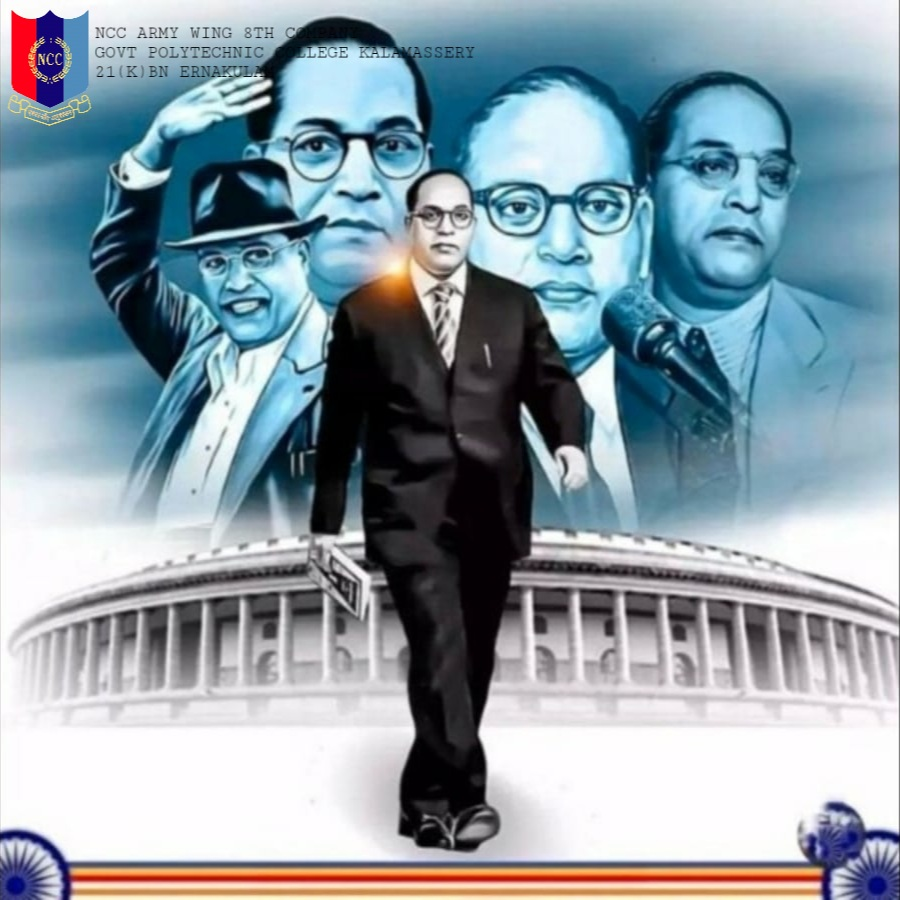
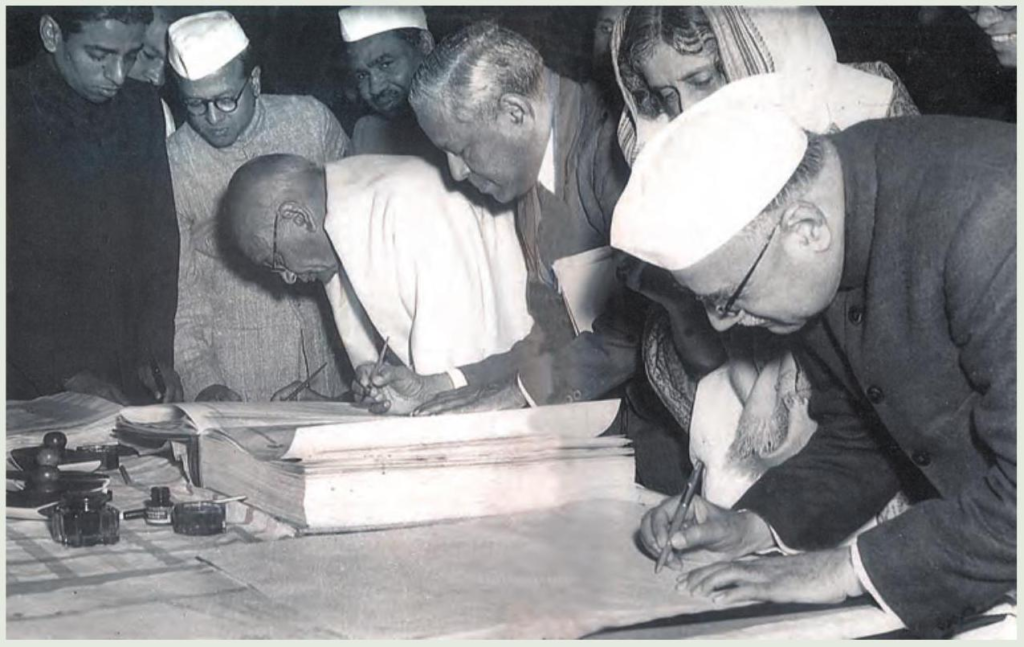
After India gained independence in 1947, Ambedkar was appointed as the Chairman of the Drafting Committee of the Constitution. He also served as the first Law Minister of India.
The Indian Constitution, adopted in 1950, guarantees fundamental rights such as equality, freedom, and justice to all citizens. Ambedkar ensured the inclusion of provisions like:
- Abolition of untouchability
- Equality before law
- Fundamental rights
- Reservation for backward classes
His vision was to create a society based on equality and justice.
Views on Religion and Conversion to Buddhism
Ambedkar strongly criticized the caste system within Hinduism. He believed that true equality could not be achieved under such a system. After deep reflection, he decided to convert to another religion.
In 1956, he embraced Buddhism along with his followers in Nagpur. He believed Buddhism promoted equality, compassion, and rational thinking. His conversion inspired millions of people and marked a significant social movement.
Economic and Social Ideas
Ambedkar was also a great economist and thinker. He emphasized the importance of economic equality along with social justice. He supported industrialization, labor rights, and land reforms.
He believed that without economic development, social equality could not be achieved. His ideas continue to influence modern economic policies and social reforms in India.
Legacy and Contributions
Dr. B. R. Ambedkar’s contributions to India are immense. He is known as the “Father of the Indian Constitution” and a pioneer of social justice. His work has inspired generations to fight against inequality and injustice.
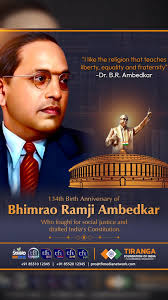
His birth anniversary, April 14, is celebrated as Ambedkar Jayanti across India. Many institutions and public places are named after him in honor of his contributions.
https://www.instagram.com/reel/DXFWHyCEh3R
Conclusion
Dr. B. R. Ambedkar was a visionary leader who dedicated his life to the upliftment of the oppressed and the creation of an equal society. From facing discrimination in his early life to becoming one of the greatest leaders of India, his journey is truly inspiring.
His ideals of equality, justice, and human dignity remain relevant even today. Ambedkar’s life teaches us that education, courage, and determination can bring about meaningful change in society.
Leave a Reply