A Celebration of Harvest, Tradition, and Rural Life
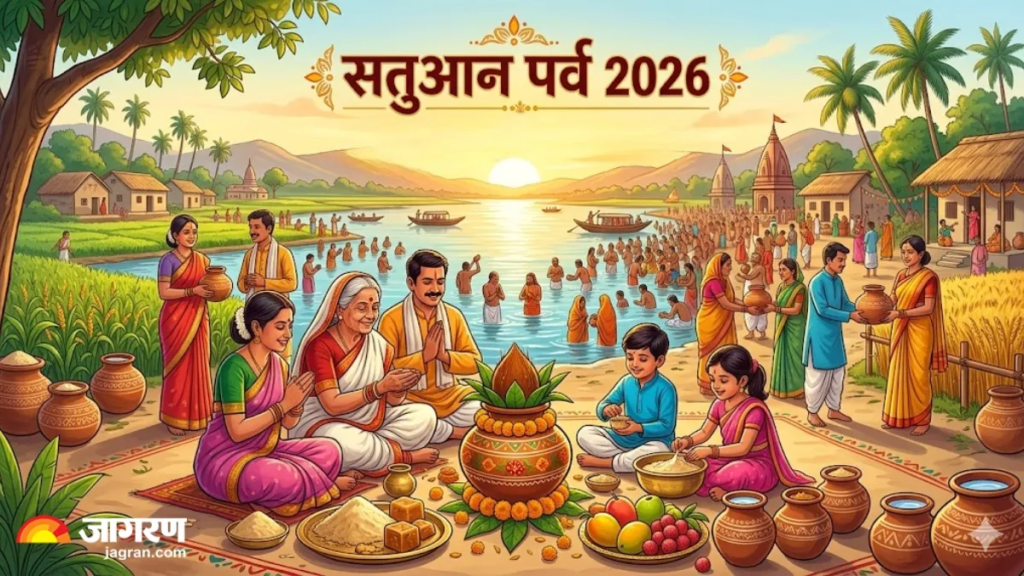
Satuaani Festival(14 April 2026) Satuaani (also spelled Satuani or Satua Sankranti) is a vibrant and culturally rich festival celebrated primarily in parts of eastern India, especially in Bihar, Jharkhand, eastern Uttar Pradesh, and some regions of West Bengal. Observed annually around mid-April, the festival coincides with the solar transition into the Hindu month of Vaishakh, marking a significant seasonal shift. Deeply rooted in agrarian traditions, Satuaani is both a thanksgiving ceremony for the harvest and a symbolic welcoming of the summer season. Though simple in its rituals, the festival holds profound cultural, social, and nutritional significance for rural communities.
Historical and Cultural Background
Satuaani has its origins in the agricultural lifestyle of the Indian subcontinent. For centuries, farming communities have relied heavily on seasonal cycles, and festivals like Satuaani emerged as a way to mark important transitions in nature. The festival is celebrated on the day of Mesh Sankranti, when the sun enters the zodiac sign of Aries. This astronomical event is considered auspicious and is associated with new beginnings, prosperity, and the onset of warmer days.
The word “Satuaani” comes from “sattu,” a traditional flour made from roasted gram (chana) or barley. Sattu has been a staple food in rural India for generations due to its high nutritional value, cooling properties, and ease of preparation. The festival revolves around the consumption and sharing of sattu, making it both a culinary and cultural celebration.
Significance of the Festival
Satuaani holds multiple layers of significance:
- Agricultural Importance:
The festival marks the end of the rabi crop season and the beginning of summer. Farmers celebrate the successful harvest and pray for continued prosperity in the coming agricultural cycles. - Seasonal Transition:
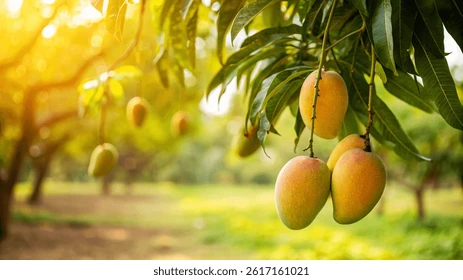
As temperatures begin to rise, the festival emphasizes the importance of consuming cooling foods like sattu, curd, and raw mango chutney. These foods help the body adapt to the heat and prevent seasonal illnesses. - Social Bonding:
Satuaani is a community-oriented festival. Families gather, neighbors exchange food, and people visit relatives. The sharing of sattu-based dishes symbolizes unity and mutual care. - Spiritual Aspect:
Many devotees take holy dips in rivers and offer prayers to the sun god. The act of giving (daan), especially food and water, is considered highly पुण्य (meritorious) on this day.
Rituals and Traditions
The rituals of Satuaani are simple yet meaningful, reflecting the lifestyle of rural communities:
- Morning Bath and Worship:
People wake up early, bathe (often in rivers or ponds), and offer prayers to the sun. Water, flowers, and grains are offered as symbols of gratitude. - Preparation of Sattu:
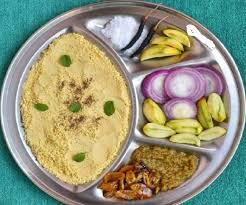
Sattu is prepared in various forms—mixed with water, jaggery, and lemon to make a refreshing drink, or kneaded into dough to make litti or stuffed rotis. - Offering to Deities:
A portion of the prepared food is first offered to deities and ancestors before being consumed. - Charity and Donations:
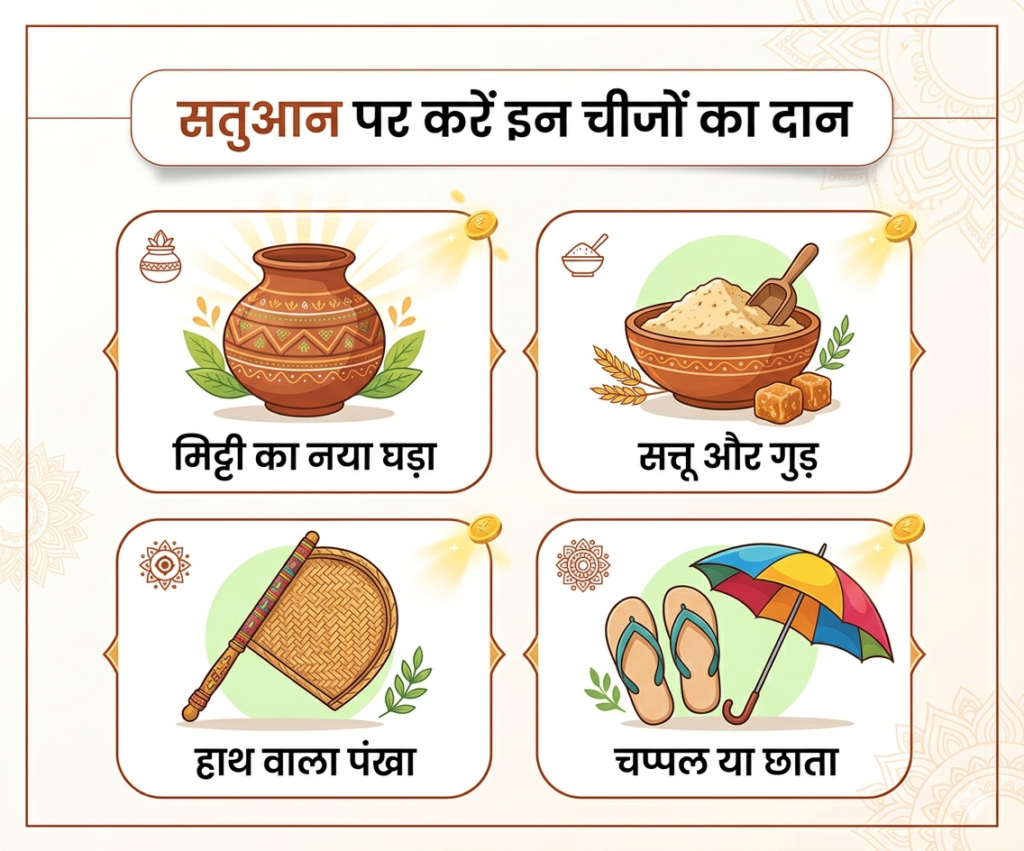
Donating sattu, water, fruits, and clothes to the needy is an important part of the festival. - Community Meals:
Families and communities often eat together, reinforcing bonds and sharing joy.
Traditional Foods of Satuaani
Food plays a central role in Satuaani, and the menu is both nutritious and suited for the summer season:
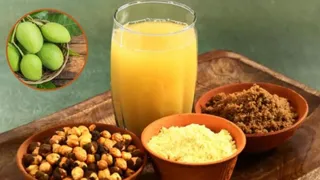
- Sattu Drink (Sattu Sharbat):
A cooling beverage made by mixing sattu with water, salt or sugar, lemon, and spices. It is refreshing and energy-boosting. - Litti with Sattu Filling:
A popular dish in Bihar, litti is made from wheat dough stuffed with spiced sattu and baked over fire. - Chokha:
A side dish made from mashed vegetables like roasted eggplant, potatoes, or tomatoes, often served with litti. - Raw Mango Chutney:
Tangy and refreshing, it complements the sattu-based dishes. - Curd and Jaggery:
These are commonly consumed for their cooling and digestive properties.
These foods are not only delicious but also reflect indigenous knowledge about nutrition and seasonal eating.
Regional Variations
Though the essence of Satuaani remains the same, its celebration varies slightly across regions:
- Bihar:
The festival is widely celebrated with great enthusiasm. Sattu is the highlight, and people emphasize charity and community meals. - Eastern Uttar Pradesh:
Known as Satuwa Sankranti, the customs are similar, with added emphasis on ritual bathing and religious offerings. - Jharkhand:
Tribal communities incorporate local traditions and dances into the celebration. - West Bengal:
While not as prominent as other festivals, some rural areas observe similar practices, especially those influenced by neighboring Bihar.
Health and Nutritional Importance
One of the most remarkable aspects of Satuaani is its focus on health. Traditional foods consumed during the festival are perfectly aligned with the needs of the season:
- Cooling Effect:
Sattu helps regulate body temperature and prevents heatstroke. - High Protein Content:
Roasted gram flour is rich in protein, making it an excellent energy source. - Digestive Benefits:
The combination of sattu, curd, and spices aids digestion and keeps the body light. - Hydration:
Sattu drinks and fruits help maintain hydration during hot weather.
This demonstrates how traditional festivals often incorporate practical wisdom about health and environment.
Social and Economic Impact
Satuaani also has a subtle economic and social impact:
- Support for Local Farmers:
The use of locally grown grains like barley and gram supports agricultural communities. - Promotion of Indigenous Foods:
The festival helps preserve traditional recipes and culinary practices. - Strengthening Community Ties:
By encouraging sharing and togetherness, it fosters social harmony. - Minimalistic Celebration:
Unlike many modern festivals that involve extravagant spending, Satuaani is simple and sustainable.
Modern Relevance
In today’s fast-paced and urbanized world, festivals like Satuaani remind us of the importance of simplicity, sustainability, and connection with nature. While urban populations may not celebrate it as widely, there is a growing interest in traditional foods like sattu due to their health benefits.
Satuaani also aligns well with contemporary ideas of eco-friendly living. It involves minimal waste, relies on natural ingredients, and promotes mindful consumption. As people become more health-conscious, the festival’s emphasis on nutritious, seasonal food is gaining renewed relevance.
Challenges and Preservation
Despite its cultural importance, Satuaani faces challenges:
- Urbanization:
Migration to cities has reduced the number of people celebrating traditional rural festivals. - Changing Food Habits:
Processed and fast foods are replacing traditional diets. - Lack of Awareness:
Younger generations may not fully understand the significance of the festival.
Efforts to preserve Satuaani include promoting it through cultural programs, social media, and educational initiatives. Documenting traditional recipes and rituals is also essential to keep the heritage alive.
Conclusion
Satuaani is more than just a festival—it is a reflection of India’s agrarian roots, cultural diversity, and traditional wisdom. It celebrates the harmony between humans and nature, emphasizing gratitude, health, and community. Through simple rituals and wholesome food, it teaches valuable lessons about sustainable living and the importance of seasonal adaptation.
In a world increasingly dominated by technology and modern lifestyles, Satuaani stands as a gentle reminder of the beauty of simplicity and the richness of tradition. By preserving and celebrating such festivals, we not only honor our past but also create a more balanced and meaningful future.
Ultimately, Satuaani is not just about eating sattu or marking a seasonal change—it is about coming together, appreciating nature’s gifts, and living in harmony with the rhythms of life.
Leave a Reply