Introduction
Lal Bahadur Sastri (1904) Despite serving as Prime Minister for a short period, his contributions left a deep and lasting impact on India’s political and social landscape. He is remembered as a leader who led by example and upheld the highest moral values in public life.
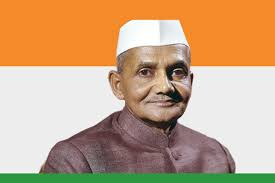
Early Life and Background
Lal Bahadur Shastri was born on October 2, 1904, in Mughalsarai in Uttar Pradesh. His father, Sharada Prasad Srivastava, was a teacher, and his mother, Ramdulari Devi, took care of the family. After his father’s early death, the family faced severe financial difficulties.
Despite hardships, Shastri showed great determination. He walked long distances to attend school and sometimes swam across the Ganges River to save money. His early struggles helped shape his disciplined and humble personality.
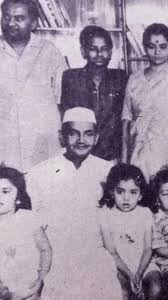
Education
Shastri completed his education at Kashi Vidyapeeth in Varanasi. There, he earned the title “Shastri,” meaning “scholar,” which later became a permanent part of his name. His education played an important role in building his intellectual foundation and nationalist ideals.
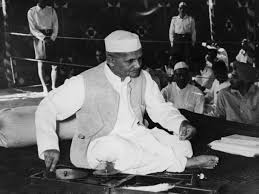
Inspired by Mahatma Gandhi, Shastri joined the Indian freedom movement. He actively participated in the Non-Cooperation Movement in 1921 and later in other movements against British rule.
He was imprisoned several times for his participation in protests and movements. During his jail time, he read extensively and deepened his understanding of leadership and governance.
Political Career After Independence
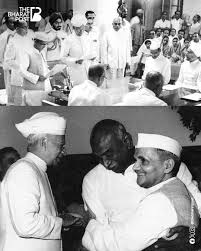
After India gained independence in 1947, Shastri held several important government positions. He served as the Minister of Railways and Transport and introduced reforms to improve public services.
In 1956, after a major railway accident, he resigned from his post, taking moral responsibility. This act of accountability made him widely respected. Later, he became the Home Minister, where he worked to maintain internal peace and strengthen administration.
Lal Bahadur Sastri (1904)
After the death of Jawaharlal Nehru in 1964, Lal Bahadur Shastri became the second Prime Minister of India. At that time, the country was facing economic challenges, food shortages, and external threats.
Despite his calm and quiet nature, he proved to be a strong and decisive leader.
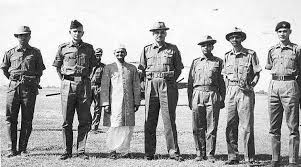
One of the most important events during Shastri’s tenure was the Indo-Pak War of 1965. When Pakistan attacked India, Shastri responded firmly and supported the Indian armed forces.
His leadership during the war boosted the morale of the nation and demonstrated his courage and determination.
Leadership During the 1965 Wa
r
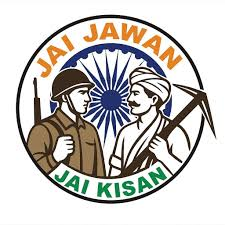
During the war and food crisis, Shastri gave the famous slogan “Jai Jawan, Jai Kisan,” meaning “Hail the soldier, Hail the farmer.”
This slogan emphasized the importance of both soldiers who protect the nation and farmers who feed it. It became one of the most powerful and enduring slogans in Indian history.
Shastri encouraged farmers to increase food production and supported policies that later contributed to India’s agricultural growth.
He promoted self-reliance and urged citizens to conserve food during shortages. His call for weekly fasting showed his leadership by personal example and strengthened public participation.
Lal Bahadur Shastri was known for his simplicity, honesty, and humility. Even as Prime Minister, he lived a modest life and avoided luxury.
He believed in ethical governance, discipline, and service to the nation. His calm nature and strong principles made him a trusted and respected leader.
Tashkent Agreement and Death
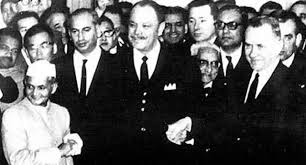
In January 1966, Shastri went to Tashkent (in present-day Uzbekistan) to sign the Tashkent Agreement to end the war with Pakistan.
Sadly, he passed away suddenly on January 11, 1966, just hours after signing the agreement. His death shocked the entire nation.
Legacy and Importance
Lal Bahadur Shastri’s life continues to inspire people across
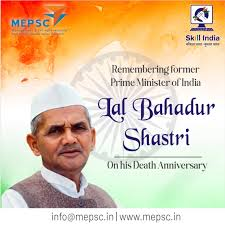
generations. His values of honesty, simplicity, and dedication remain relevant even today.
He proved that true leadership comes from integrity and service, not power or wealth.
Conclusion
In conclusion, Lal Bahadur Shastri was a great leader who guided India during a challenging time. His contributions to the nation, both during the freedom struggle and as Prime Minister, were significant.
His life is a powerful example of how determination, humility, and honesty can lead to greatness. He will always be remembered as one of India’s finest leaders.
Leave a Reply