Introduction
Jackfruit is one of the most fascinating and versatile fruits found in tropical regions of the world. Known for its enormous size, unique texture, and distinctive flavor, jackfruit has gained global recognition not only as a fruit but also as a plant-based food alternative. Scientifically called Artocarpus heterophyllus, jackfruit belongs to the Moraceae family, which also includes figs and mulberries. Native to South and Southeast Asia, particularly India, Bangladesh, and Sri Lanka, jackfruit is now cultivated in many tropical areas around the globe.
This fruit is remarkable not just because of its size—often weighing between 10 to 25 kilograms—but also because of its wide range of uses. From sweet desserts to savory dishes, jackfruit has found its way into kitchens worldwide. In recent years, it has become especially popular among vegetarians and vegans as a meat substitute due to its fibrous texture.
Botanical Description
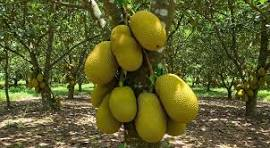
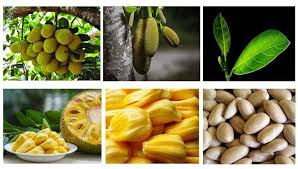
The jackfruit tree is an evergreen species that can grow up to 20 meters tall. It has glossy, dark green leaves and produces both male and female flowers on the same tree. One of the most unique features of the jackfruit is that it grows directly from the trunk and large branches, a phenomenon known as cauliflory.
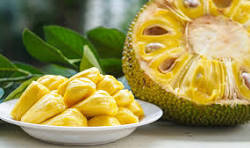
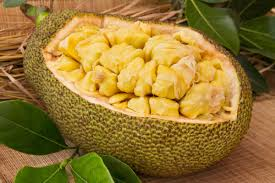
The fruit itself is the largest tree-borne fruit in the world. Its outer skin is thick, green, and covered with spiky protrusions. Inside, the fruit is composed of numerous yellow, fleshy bulbs known as arils, each containing a seed. The flesh can vary in taste and texture depending on its ripeness—ranging from firm and starchy to soft and sweet.
Nutritional Value
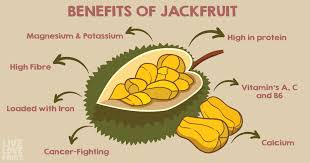
Jackfruit is not only delicious but also highly nutritious. It is rich in carbohydrates, dietary fiber, vitamins, and minerals. A 100-gram serving of ripe jackfruit contains approximately:
- Calories: 95
- Carbohydrates: 23 grams
- Fiber: 1.5–2 grams
- Vitamin C: 13% of the daily recommended intake
- Potassium: 10% of daily needs
Additionally, jackfruit contains small amounts of protein and essential antioxidants. It is also a good source of vitamin A, magnesium, and B-complex vitamins. The seeds, often discarded, are also edible and contain protein, starch, and micronutrients.
Health Benefits
1. Boosts Immunity
Jackfruit is rich in vitamin C, which helps strengthen the immune system. Regular consumption can help the body fight infections and reduce the risk of illnesses.
2. Improves Digestion
The dietary fiber present in jackfruit promotes healthy digestion. It helps prevent constipation and supports the growth of beneficial gut bacteria.
3. Supports Heart Health
Potassium in jackfruit helps regulate blood pressure and reduces the risk of cardiovascular diseases. The antioxidants present also help in reducing oxidative stress.
4. Provides Energy
Due to its high carbohydrate content, jackfruit is an excellent source of energy. It is especially beneficial for individuals needing quick energy boosts.
5. May Help Control Blood Sugar
Although jackfruit is sweet, it has a moderate glycemic index. The fiber content slows down sugar absorption, making it suitable in moderate amounts for people with diabetes.
Culinary Uses
Ripe Jackfruit
Ripe jackfruit is sweet and aromatic, often described as a combination of banana, pineapple, and mango. It is commonly eaten fresh or used in desserts such as:
- Ice creams
- Smoothies
- Cakes
- Puddings
Unripe Jackfruit
Unripe jackfruit has a neutral flavor and a meat-like texture, making it a popular ingredient in savory dishes. It is widely used in:
- Curries
- Stir-fries
- Pickles
- Vegan “pulled meat” dishes
In Indian cuisine, unripe jackfruit is often cooked with spices to create flavorful dishes that resemble meat curries.
Jackfruit Seeds
The seeds can be boiled, roasted, or ground into flour. They are often used in traditional recipes and are a good source of protein.
Economic Importance
Jackfruit plays a significant role in the economy of tropical countries. It is a low-maintenance crop that requires minimal care and yields a large quantity of fruit. Farmers benefit from its high productivity and diverse uses.
The growing global demand for plant-based foods has increased the commercial value of jackfruit. Packaged jackfruit products such as canned fruit, chips, and ready-to-cook meals are becoming increasingly popular in international markets.
Environmental Benefits
Jackfruit trees are environmentally friendly and sustainable. They require less water compared to many other crops and can thrive in diverse climatic conditions. Additionally, they help prevent soil erosion and contribute to biodiversity.

Because jackfruit trees produce large quantities of food with relatively little input, they are considered a potential solution to food security challenges in developing countries.
Cultural Significance
In many South Asian cultures, jackfruit holds cultural and traditional importance. It is often referred to as the “poor man’s fruit” due to its affordability and abundance. In some regions, it is also considered a symbol of prosperity and fertility.
Jackfruit is featured in various festivals and traditional dishes. In India and Bangladesh, it is commonly consumed during the summer season and is a staple in rural diets.
Challenges in Consumption and Storage
Despite its many benefits, jackfruit also presents certain challenges:
1. Difficult Handling
The fruit’s large size and sticky latex sap make it difficult to cut and handle. Special techniques and oiling of hands and knives are often required.
2. Short Shelf Life
Ripe jackfruit spoils quickly and must be consumed or processed within a few days.
3. Strong Odor
While many people enjoy its aroma, others find it overpowering, which can limit its appeal.
Modern Popularity and Globalization
In recent years, jackfruit has gained international fame, especially in Western countries. It is widely marketed as a vegan meat substitute due to its texture and ability to absorb flavors.

Restaurants and food brands now offer jackfruit-based dishes such as:
- Jackfruit tacos
- Vegan burgers
- Barbecue jackfruit sandwiches
This global popularity has opened new markets and increased awareness about the fruit’s versatility and health benefits.
Conclusion
Jackfruit is truly a remarkable fruit with immense nutritional, economic, and environmental value. From its origins in tropical forests to its current status as a global superfood, jackfruit has come a long way. Its ability to serve as both a sweet fruit and a savory ingredient makes it unique among plant foods.
As the world moves toward more sustainable and plant-based diets, jackfruit is likely to play an even more significant role in the future. Its rich nutrient profile, adaptability, and wide range of uses make it a valuable addition to diets and agricultural systems worldwide.
In conclusion, jackfruit is not just a fruit—it is a symbol of abundance, sustainability, and culinary innovation.
Leave a Reply