1. Introduction
A. P. J. Abdul Kalam: A Life of Vision, Science, and Service1931 Avul Pakir Jainulabdeen Abdul Kalam, widely known as A. P. J. Abdul Kalam, was one of India’s most respected scientists and leaders. Popularly called the “Missile Man of India”, he played a pivotal role in advancing India’s space and defense capabilities. Beyond his scientific achievements, Kalam was deeply admired for his humility, simplicity, and unwavering commitment to inspiring young minds. His journey from a small coastal town to the Rashtrapati Bhavan (Presidential residence) remains one of the most inspiring stories in modern India.
2. Early Life and Background
A. P. J. Abdul Kalam was born on October 15, 1931, in Rameswaram, a small island town in Tamil Nadu. He came from a modest Muslim family. His father, Jainulabdeen, was a boat owner and imam at a local mosque, while his mother, Ashiamma, was a homemaker.
Despite limited financial resources, Kalam’s parents emphasized the importance of education and values. As a child, he helped support his family by distributing newspapers. These early experiences instilled in him discipline, responsibility, and a strong work ethic.
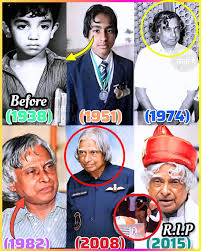
A. P. J. Abdul Kalam: A Life of Vision, Science, and Service1931 Kalam was an average student academically but showed great interest in science and mathematics. His teachers recognized his curiosity and encouraged him to pursue higher education. One of his teachers, Iyadurai Solomon, had a particularly strong influence on shaping Kalam’s ambitions and belief in self-confidence.
3. Education and Academic Journey
Kalam completed his schooling at Schwartz Higher Secondary School in Ramanathapuram. He later graduated in physics from St. Joseph’s College in 1954.
However, his real passion lay in aerospace engineering. To pursue this dream, he enrolled at the Madras Institute of Technology. During his time there, Kalam faced financial difficulties, but his determination helped him overcome t
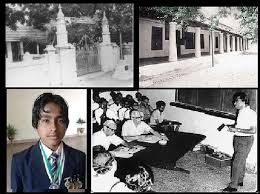
hese challenges.
At MIT, he worked on a project involving the design of a small aircraft. His dedication and ability to meet strict deadlines impressed his professors. This period marked the beginning of his journey toward becoming a leading aerospace scientist.
4. Early Career and Scientific Contributions
After graduating, Kalam joined the Defence Research and Development Organisation (DRDO) as a scientist. Initially, he worked on designing small hovercrafts, but he was not fully satisfied with his role.
In 1969, he moved to the Indian Space Research Organisation (ISRO), where his career took a significant turn. At ISRO, Kalam was the project director of India’s first indigenous satellite launch vehicle, SLV-III.
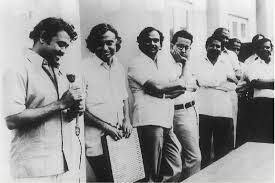
Under his leadership, India successfully launched the Rohini Satellite into near-Earth orbit in 1980. This achievement placed India among the select group of nations capable of launching satellites independently.
5. The Missile Man of India
Kalam returned to DRDO in the 1980s and became the chief architect of India’s Integrated Guided Missile Development Program (IGMDP). This ambitious program aimed to develop a range of indigenous missiles.
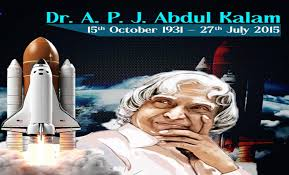
Some of the major missiles developed under his leadership include:
- Agni Missile
- Prithvi Missile
- Akash Missile
- Nag Missile
These achievements strengthened India’s defense capabilities and established Kalam as a key figure in the country’s strategic programs. His work earned him the title “Missile Man of India.”
6. Role in Nuclear Tests
Kalam played a crucial role in India’s nuclear weapons program. He was one of the chief coordinators of the Pokhran-II nuclear tests conducted in 1998 under the leadership of Prime Minister Atal Bihari Vajpayee.
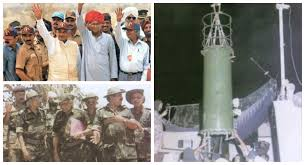
These tests established India as a nuclear power and demonstrated its scientific and technological strength on the global stage. Kalam’s leadership and coordination were instrumental in the success of this mission.
7. Presidency (2002–2007)
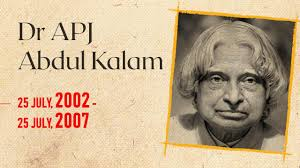
In 2002, A. P. J. Abdul Kalam was elected as the 11th President of India. His presidency was unique because he was a scientist rather than a career politician.
During his tenure:
- He focused on education and youth empowerment
- He encouraged innovation and technological development
- He promoted the vision of a developed India by 2020
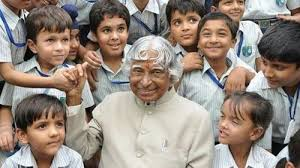
Kalam became known as the “People’s President” because of his accessibility and connection with citizens, especially students. He frequently visited schools and colleges, delivering motivational speeches and encouraging young people to dream big.
8. Vision for India: “India 2020”
Kalam was a visionary leader who believed in transforming India into a developed nation. His vision was detailed in his famous book India 2020.
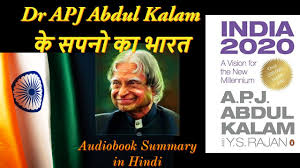
He emphasized:
- Economic development through technology
- Self-reliance in defense and space
- Quality education for all
- Rural development through PURA (Providing Urban Amenities in Rural Areas)
Kalam believed that youth were the driving force behind national progress. He often said, “Dream, dream, dream. Dreams transform into thoughts and thoughts result in action.”
9. Contributions as an Author
Apart from being a scientist and president, Kalam was also a prolific writer. His books continue to inspire millions around the world. Some of his notable works include:
- Wings of Fire
- Ignited Minds
- My Journey
- The Luminous Sparks
These books provide insights into his life, philosophy, and vision for the future. Wings of Fire, in particular, is widely read as an inspirational autobiography.
10. Awards and Honors
A. P. J. Abdul Kalam received numerous awards for his contributions to science and public service. Some of the most prestigious include:
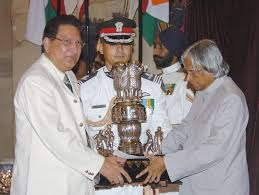
- Bharat Ratna (1997)
- Padma Vibhushan (1990)
- Padma Bhushan (1981)
He also received honorary doctorates from several universities worldwide.
11. Personality and Values
Kalam was known for his simplicity and humility. Despite holding the highest office in India, he maintained a modest lifestyle. He often carried only a few personal belongings and remained deeply connected to his roots.
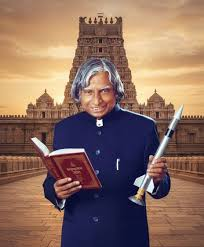
Key qualities that defined him:
- Strong moral values
- Dedication to work
- Deep spirituality
- Passion for teaching
- Commitment to national development
He believed in the power of knowledge and emphasized the importance of integrity and hard work.
12. Final Years and Death
After completing his presidency, Kalam continued to teach, write, and interact with students. He served as a visiting professor at several institutions and remained actively involved in educational initiatives.

On July 27, 2015, Kalam collapsed while delivering a lecture at the Indian Institute of Management Shillong. He passed away shortly afterward due to a cardiac arrest.
His death was mourned across India and the world. He was given a state funeral, and millions paid tribute to this महान visionary.
13. Legacy and Impact
A. P. J. Abdul Kalam’s legacy continues to inspire generations. His contributions to science, education, and national development have left a lasting impact.
His influence can be seen in:
- India’s advancements in space and defense
- The motivation of millions of students
- The emphasis on innovation and self-reliance
He remains a symbol of what determination, knowledge, and humility can achieve.
14. Inspirational Quotes
Some of Kalam’s most famous quotes include:
- “Dream is not that which you see while sleeping; it is something that does not let you sleep.”
- “You have to dream before your dreams can come true.”
- “Excellence is a continuous process and not an accident.”
These words continue to motivate
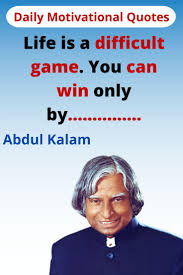
people worldwide.
15. Conclusion
A. P. J. Abdul Kalam’s life is a powerful example of how one individual can make a difference through dedication, vision, and service. From a humble beginning in Rameswaram to becoming the President of India, his journey is a testament to the power of dreams and perseverance.
He was not just a scientist or a leader but a teacher who believed in the potential of every individual. His life teaches us that success is not defined by wealth or power but by the impact we create in the lives of others.
Kalam’s legacy lives on in the hearts of millions, reminding us to dream big, work hard, a
nd contribute to the betterment of society.
Leave a Reply