Introduction
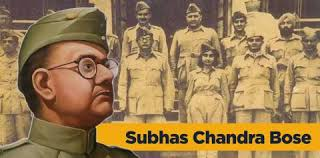
Subhas Chandra Bose1897 Subhas Chandra Bose remains one of the most dynamic and debated figures in the history of India’s struggle for independence. Known for his fierce patriotism, charismatic leadership, and radical approach to freedom, Bose inspired millions to envision an India free from colonial rule. Unlike many of his contemporaries, he believed that independence could not be achieved solely through peaceful means and was willing to explore international alliances and armed struggle to attain it. His life reflects courage, determination, and an unwavering commitment to national sovereignty.
Early Life and Education
Subhas Chandra Bose was born on January 23, 1897, in Cuttack, in present-day Odisha, into a well-to-do Bengali family. His father, Janakinath Bose, was a prominent lawyer, and his mother, Prabhavati Devi, played a crucial role in shaping his moral and spiritual outlook. Bose was a brilliant student from a young age, excelling academically and displaying strong leadership qualities.
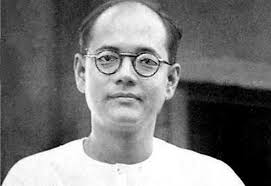
He completed his schooling at Ravenshaw Collegiate School and later graduated from Presidency College in Kolkata. Bose then went to England to prepare for the Indian Civil Services (ICS) examination, one of the most prestigious career paths under British rule. He passed the exam with high merit, but his nationalist sentiments led him to resign from the service in 1921, as he did not wish to serve a colonial government.
Entry into the Freedom Movement
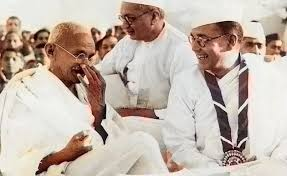
After returning to India, Bose joined the Indian National Congress and quickly rose through its ranks. He was deeply influenced by leaders like Mahatma Gandhi but did not fully agree with Gandhi’s philosophy of non-violence. Bose admired discipline, strength, and decisive action, which often put him at odds with the Congress leadership.
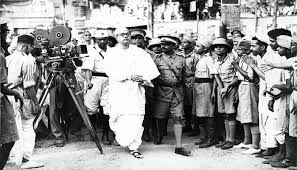
He worked closely with Chittaranjan Das, who became his political mentor. Under Das’s guidance, Bose served as the Chief Executive Officer of the Calcutta Municipal Corporation and actively participated in organizing protests against British rule. His dedication and organizational skills earned him widespread recognition.
Ideological Differences with Congress Leadership
Although Bose was an important figure within the Congress, ideological differences soon emerged. While Gandhi advocated non-violent resistance, Bose believed that more aggressive measures were necessary to overthrow British rule. He also favored rapid industrialization and a socialist approach to economic development.
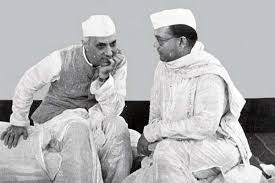
In 1938, Bose was elected President of the Indian National Congress at the Haripura session. However, his re-election in 1939 led to a major conflict with Gandhi and other senior leaders, including Jawaharlal Nehru. Due to these disagreements, Bose resigned from the presidency and later formed the Forward Bloc, aiming to consolidate left-wing forces within the freedom movement.
Formation of the Forward Bloc
The Forward Bloc was established in 1939 as a faction within the Congress, with the goal of promoting a more radical and militant approach to independence. Bose sought to unite farmers, workers, and youth under a common nationalist cause. His vision extended beyond political freedom to include social and economic reforms.
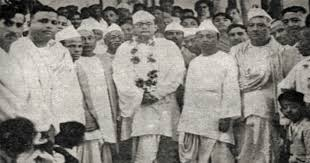
However, his growing popularity and radical ideas made the British authorities wary. Bose was placed under house arrest, but his determination led to one of the most daring escapes in Indian history.
Escape from India
In 1941, Bose executed a dramatic escape from his residence in Kolkata, disguised as a Pathan. He traveled across India and eventually reached Germany via Afghanistan and the Soviet Union. This journey highlighted his courage and commitment to the cause of independence.
In Germany, Bose sought support from Axis powers to fight against British rule in India. Although his efforts in Europe had limited success, they laid the groundwork for his later initiatives in Southeast Asia.
Role in World War II and Alliance with Axis Powers
During World War II, Bose believed that Britain’s involvement in the war presented an opportunity for India to gain independence. He sought assistance from countries opposed to Britain, including Germany and Japan. His decision to align with Axis powers remains controversial, as it involved cooperation with regimes that had their own imperial ambitions.
Despite the ethical complexities, Bose’s primary objective was clear: to secure India’s freedom by any means necessary. He believed that international alliances could weaken British control and create favorable conditions for an armed uprising in India.
Formation of the Indian National Army (INA)
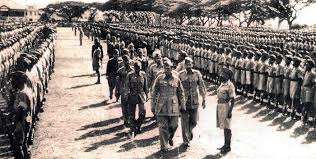
One of Bose’s most significant contributions was the revival and leadership of the Indian National Army (INA), originally formed by Indian prisoners of war in Southeast Asia. Under Bose’s leadership, the INA became a disciplined and motivated force committed to liberating India.
Bose established the Provisional Government of Free India (Azad Hind Government) in 1943 and declared war against Britain. He also introduced the famous slogan “Give me blood, and I will give you freedom,” which energized the masses.
The INA included men and women from diverse backgrounds, and Bose even formed the Rani Jhansi Regiment, an all-women combat unit, demonstrating his progressive outlook on gender roles.
Military Campaigns and Challenges
The INA, with support from Japanese forces, launched campaigns in northeastern India, including regions like Imphal and Kohima. Although initial advances were promising, the campaign ultimately failed due to logistical challenges, harsh terrain, and the eventual defeat of Japan in World War II.
Despite the military setbacks, the INA’s efforts had a profound psychological impact on the Indian population and the British Indian Army. It inspired a sense of unity and resistance against colonial rule.
Legacy of the INA Trials
After the war, many INA officers were captured and put on trial by the British government in Delhi. These trials sparked widespread protests across India and generated sympathy for the INA soldiers. The movement gained support from various political groups, including Congress and other nationalist organizations.
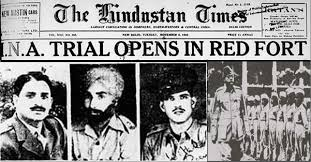
The trials played a significant role in weakening British authority and accelerating the process of independence. They demonstrated that the desire for freedom had permeated all sections of Indian society, including the armed forces.
Mysterious Disappearance
Subhas Chandra Bose’s life ended under mysterious circumstances. According to official reports, he died in a plane crash in Taiwan on August 18, 1945. However, the lack of conclusive evidence has led to numerous theories and debates about his fate.
Many believe that Bose may have survived and lived in secrecy, while others accept the plane crash theory. The mystery surrounding his death continues to intrigue historians and the public alike.
Ideology and Vision
Bose’s ideology combined nationalism, socialism, and authoritarian discipline. He believed in a strong central government and rapid industrialization to transform India into a modern nation. Unlike many leaders of his time, he emphasized the importance of military strength and international diplomacy.
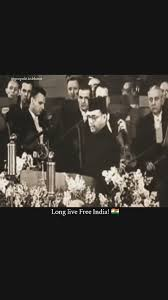
He also advocated communal harmony and unity among Indians, regardless of religion, caste, or region. His inclusive vision was reflected in the diverse composition of the INA.
Contributions to Indian Independence
Although Bose’s methods differed from those of other leaders, his contribution to India’s independence is undeniable. He expanded the scope of the freedom struggle beyond India’s borders and inspired Indians to think globally.
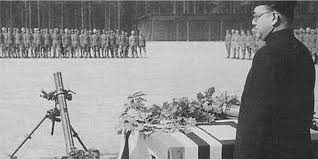
His efforts challenged the British Empire and demonstrated that resistance could take multiple forms. The impact of his actions, particularly the INA and its trials, contributed to the eventual withdrawal of British forces from India.
Conclusion
Subhas Chandra Bose remains a symbol of courage, sacrifice, and unwavering patriotism. His life story is a testament to the power of determination and the willingness to take risks for a greater cause. While his methods and alliances continue to be debated, his ultimate goal of an independent India united millions.
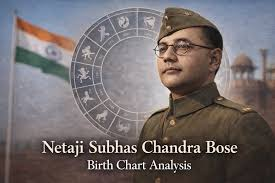
Today, Bose is remembered not only as a freedom fighter but also as a visionary leader who dared to challenge the status quo. His legacy continues to inspire generations, reminding us that the path to freedom often requires bold ideas and relentless effort.
Leave a Reply