Mango: The King of Fruits
Introduction
Mango, often referred to as the “King of Fruits,” is one of the most beloved and widely consumed fruits in the world. Known for its rich flavor, vibrant color, and sweet aroma, mango holds a special place in the hearts of millions, especially in tropical and subtropical regions. It is not only cherished for its taste but also Mango: The King of Fruits valued for its nutritional benefits, cultural significance, and economic importance. The fruit has been cultivated for thousands of years and continues to play a vital role in agriculture and cuisine across the globe.Mango: The King of Fruits

Origin aMango: History
Mango: The King of FruitsMango is believed to have originated in South Asia, particularly in the region that includes present-day India, Myanmar, and Bangladesh. Historical evidence suggests that mango cultivation dates back over 4,000 years. Ancient texts and scriptures often mention mangoes as symbols of prosperity, love, and fertility. Buddhist monks are said to have carried mango seeds during their travels to Southeast Asia, helping spread the fruit across different regions.Mango: The King of Fruits
Over time, mango cultivation expanded to Africa, the Middle East, and eventually to the Americas through Portuguese explorers. Today, mangoes are grown in many tropical and subtropical countries, making them a globally recognized fruit.
Botanical Description
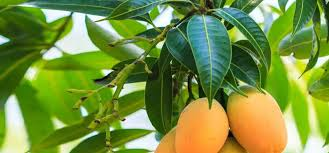
Mango belongs to the genus Mangifera and the species Mangifera indica. It is a flowering plant that grows on largeMango: The King of Fruits evergreen trees, which can reach heights of up to 30–40 meters. The tree has dense foliage, with long, narrow leaves that are dark green in color.
The fruit itself varies in size, shape, and color depending on the variety. It can be oval, round, or kidney-shaped, and its skin may be green, yellow, orange, or red. Inside, the fruit contains a large seed surrounded by juicy, fibrous or non-fibrous pulp.Mango: The King of Fruits The flavor ranges from mildly sweet to intensely sugary, often with a slight tanginess.
Varieties of Mango
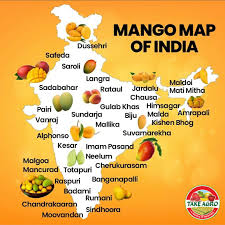
There are hundreds of mango varieties grown around the world, each with its own unique taste, texture, and appearance. Some popular varieties include Alphonso, known for its rich sweetness and smooth texture; Dasheri, which is long and aromatic; Langra, famous for its distinctive flavor; and Haden, commonly grown in the Americas.Mango: The King of Fruits
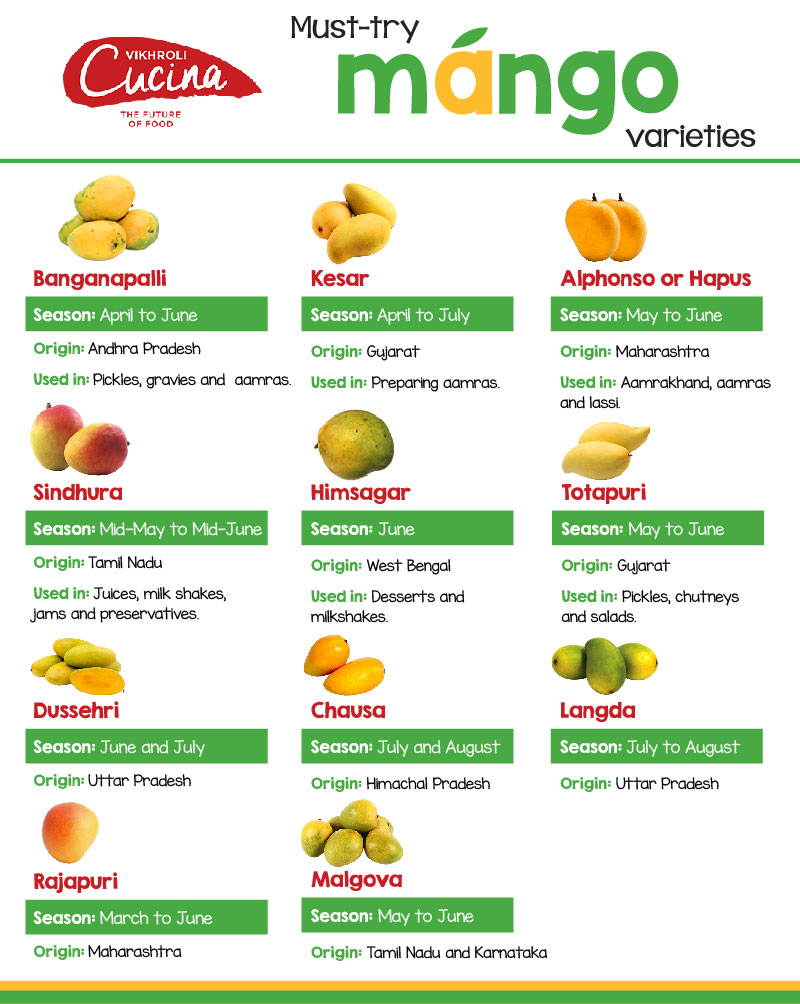
Different regions produce different types of mangoes, and each variety is suited to specific climatic conditions. Some mangoes are best eaten fresh, while others are ideal for cooking, juicing, or making desserts.Mango: The King of Fruits
Nutritional Value
Mango is not only delicious but also highly nutritious. It is rich in vitamins, minerals, and antioxidants that contribute to overall health. Mangoes are an excellent source of vitamin C, which helps boost the immune system, and vitamin A, which supports eye health.
They also contain dietary fiber, which aids digestion, and natural sugars that provide quick energy. Additionally, mangoes have small amounts of vitamins E and K, as well as potassium and magnesium. The presence of antioxidants helps protect the body from oxidative stress and may reduce the risk of chronic diseases.
Health Benefits
Regular consumption of mango can offer numerous health benefits. It helps improve digestion due to its fiber content and natural enzymes. Mangoes also support heart health by regulating cholesterol levels and maintaining blood pressure.
The fruit is beneficial for skin and hair, thanks to its high vitamin content, which promotes collagen production and keeps the skin glowing. Mangoes are also known to improve eye health and may help prevent certain eye conditions.
Furthermore, the antioxidants in mangoes play a role in boosting immunity and protecting the body from infections. Some studies suggest that mango compounds may even have anti-cancer properties, although more research is needed in this area.
Cultivation and Production
Mango trees thrive in warm climates with plenty of sunlight and well-drained soil. They require a frost-free environment and moderate rainfall for optimal growth. The trees are usually propagated through grafting to ensure consistent fruit quality.
India is the largest producer of mangoes in the world, followed by countries like China, Thailand, Indonesia, and Mexico. Mango farming is an important source of livelihood for many farmers, especially in rural areas.
The harvesting season varies depending on the region but typically occurs during the summer months. Once harvested, mangoes are either consumed locally or exported to international markets.
Uses of Mango
Mango is an incredibly versatile fruit and can be used in a variety of ways. It can be eaten fresh, sliced, or diced and added to fruit salads. Mango pulp is commonly used to make juices, smoothies, and desserts like ice cream, puddings, and cakes.
In many cultures, unripe mangoes are used in cooking to prepare pickles, chutneys, and savory dishes. Mangoes are also used in traditional drinks such as mango lassi and panna, which are popular in South Asia.
Beyond culinary uses, mango extracts are used in cosmetics and skincare products due to their nourishing properties.
Cultural Significance
Mango holds deep cultural and symbolic importance in many countries, particularly in India. It is often associated with love, prosperity, and fertility. Mango leaves are used in religious ceremonies and decorations, especially during festivals and weddings.
In literature and art, mangoes have been celebrated for their beauty and sweetness. They are frequently depicted in paintings, poetry, and folklore. The fruit also plays a role in traditional medicine systems like Ayurveda, where it is valued for its healing properties.
Economic Importance
Mango cultivation contributes significantly to the economy of many countries. It provides employment to millions of people involved in farming, processing, transportation, and export.
The global demand for mangoes continues to grow, driven by their popularity and health benefits. Export markets have expanded, allowing countries to earn foreign exchange through mango trade.
In addition, mango-based products such as juices, dried mango slices, and canned pulp have created new business opportunities in the food industry.
Challenges in Mango Production
Despite its importance, mango production faces several challenges. Climate change, pests, and diseases can affect crop yield and quality. Irregular rainfall and extreme weather conditions pose risks to mango cultivation.
Post-harvest losses are another major issue, as mangoes are highly perishable and require proper storage and transportation facilities. Farmers also face challenges related to market access and price fluctuations.
Efforts are being made to address these issues through improved agricultural practices, better storage technologies, and government support.
Conclusion
Mango is more than just a fruit; it is a symbol of richness, culture, and nourishment. Its delightful taste, combined with its numerous health benefits, makes it a favorite among people of all ages. From its ancient origins to its modern-day global presence, mango continues to captivate and satisfy.
As the demand for mango grows, it is important to ensure sustainable cultivation practices and support farmers who play a crucial role in bringing this delicious fruit to our tables. Whether enjoyed fresh or in various culinary forms, mango truly lives up to its title as the “King of Fruits.”Introduction
Mango, often referred to as the “King of Fruits,” is one of the most beloved and widely consumed fruits in the world. Known for its rich flavor, vibrant color, and sweet aroma, mango holds a special place in the hearts of millions, especially in tropical and subtropical regions. It is not only cherished for its taste but also valued for its nutritional benefits, cultural significance, and economic importance. The fruit has been cultivated for thousands of years and continues to play a vital role in agriculture and cuisine across the globe.
Origin and History
Mango is believed to have originated in South Asia, particularly in the region that includes present-day India, Myanmar, and Bangladesh. Historical evidence suggests that mango cultivation dates back over 4,000 years. Ancient texts and scriptures often mention mangoes as symbols of prosperity, love, and fertility. Buddhist monks are said to have carried mango seeds during their travels to Southeast Asia, helping spread the fruit across different regions.
Over time, mango cultivation expanded to Africa, the Middle East, and eventually to the Americas through Portuguese explorers. Today, mangoes are grown in many tropical and subtropical countries, making them a globally recognized fruit.
Botanical Description
Mango belongs to the genus Mangifera and the species Mangifera indica. It is a flowering plant that grows on large evergreen trees, which can reach heights of up to 30–40 meters. The tree has dense foliage, with long, narrow leaves that are dark green in color.
The fruit itself varies in size, shape, and color depending on the variety. It can be oval, round, or kidney-shaped, and its skin may be green, yellow, orange, or red. Inside, the fruit contains a large seed surrounded by juicy, fibrous or non-fibrous pulp. The flavor ranges from mildly sweet to intensely sugary, often with a slight tanginess.
Varieties of Mango
There are hundreds of mango varieties grown around the world, each with its own unique taste, texture, and appearance. Some popular varieties include Alphonso, known for its rich sweetness and smooth texture; Dasheri, which is long and aromatic; Langra, famous for its distinctive flavor; and Haden, commonly grown in the Americas.
Different regions produce different types of mangoes, and each variety is suited to specific climatic conditions. Some mangoes are best eaten fresh, while others are ideal for cooking, juicing, or making desserts.
Nutritional Value
Mango is not only delicious but also highly nutritious. It is rich in vitamins, minerals, and antioxidants that contribute to overall health. Mangoes are an excellent source of vitamin C, which helps boost the immune system, and vitamin A, which supports eye health.
They also contain dietary fiber, which aids digestion, and natural sugars that provide quick energy. Additionally, mangoes have small amounts of vitamins E and K, as well as potassium and magnesium. The presence of antioxidants helps protect the body from oxidative stress and may reduce the risk of chronic diseases.
Health Benefits
Regular consumption of mango can offer numerous health benefits. It helps improve digestion due to its fiber content and natural enzymes. Mangoes also support heart health by regulating cholesterol levels and maintaining blood pressure.
The fruit is beneficial for skin and hair, thanks to its high vitamin content, which promotes collagen production and keeps the skin glowing. Mangoes are also known to improve eye health and may help prevent certain eye conditions.
Furthermore, the antioxidants in mangoes play a role in boosting immunity and protecting the body from infections. Some studies suggest that mango compounds may even have anti-cancer properties, although more research is needed in this area.
Cultivation and Production
Mango trees thrive in warm climates with plenty of sunlight and well-drained soil. They require a frost-free environment and moderate rainfall for optimal growth. The trees are usually propagated through grafting to ensure consistent fruit quality.
India is the largest producer of mangoes in the world, followed by countries like China, Thailand, Indonesia, and Mexico. Mango farming is an important source of livelihood for many farmers, especially in rural areas.
The harvesting season varies depending on the region but typically occurs during the summer months. Once harvested, mangoes are either consumed locally or exported to international markets.
Uses of Mango
Mango is an incredibly versatile fruit and can be used in a variety of ways. It can be eaten fresh, sliced, or diced and added to fruit salads. Mango pulp is commonly used to make juices, smoothies, and desserts like ice cream, puddings, and cakes.
In many cultures, unripe mangoes are used in cooking to prepare pickles, chutneys, and savory dishes. Mangoes are also used in traditional drinks such as mango lassi and panna, which are popular in South Asia.
Beyond culinary uses, mango extracts are used in cosmetics and skincare products due to their nourishing properties.
Cultural Significance
Mango holds deep cultural and symbolic importance in many countries, particularly in India. It is often associated with love, prosperity, and fertility. Mango leaves are used in religious ceremonies and decorations, especially during festivals and weddings.
In literature and art, mangoes have been celebrated for their beauty and sweetness. They are frequently depicted in paintings, poetry, and folklore. The fruit also plays a role in traditional medicine systems like Ayurveda, where it is valued for its healing properties.
Economic Importance
Mango cultivation contributes significantly to the economy of many countries. It provides employment to millions of people involved in farming, processing, transportation, and export.
The global demand for mangoes continues to grow, driven by their popularity and health benefits. Export markets have expanded, allowing countries to earn foreign exchange through mango trade.
In addition, mango-based products such as juices, dried mango slices, and canned pulp have created new business opportunities in the food industry.
Challenges in Mango Production
Despite its importance, mango production faces several challenges. Climate change, pests, and diseases can affect crop yield and quality. Irregular rainfall and extreme weather conditions pose risks to mango cultivation.
Post-harvest losses are another major issue, as mangoes are highly perishable and require proper storage and transportation facilities. Farmers also face challenges related to market access and price fluctuations.
Efforts are being made to address these issues through improved agricultural practices, better storage technologies, and government support.
Conclusion
Mango is more than just a fruit; it is a symbol of richness, culture, and nourishment. Its delightful taste, combined with its numerous health benefits, makes it a favorite among people of all ages. From its ancient origins to its modern-day global presence, mango continues to captivate and satisfy.
As the demand for mango grows, it is important to ensure sustainable cultivation practices and support farmers who play a crucial role in bringing this delicious fruit to our tables. Whether enjoyed fresh or in various culinary forms, mango truly lives up to its title as the “King of Fruits.”
Leave a Reply