Introduction
Sarhul Puja: A Celebration of Nature, Community, and RenewalSarhul Puja is one of the most important and vibrant festivals celebrated by the tribal communities of eastern India, particularly in the states of Jharkhand, Odisha, West Bengal, and Chhattisgarh. Deeply rooted in nature worship, Sarhul marks the arrival of spring and symbolizes the harmonious relationship between humans and the natural world. The festival is especially significant among the Oraon, Munda, and Ho tribes, who celebrate it with immense devotion, enthusiasm, and cultural pride.Sarhul Puja
Sarhul is not just a religious occasion—it is a way of life. It reflects ecological awareness, social unity, and spiritual reverence for the earth. Through rituals, songs, dances,Sarhul Puja and communal feasts, people express gratitude to nature for sustaining life and pray for prosperity, good health, and a bountiful harvest.
Historical and Cultural Background
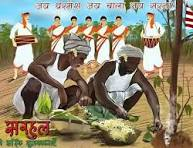
Sarhul Puja has ancient origins that date back to the early tribal civilizations of India. The festival is closely linked with indigenous belief systems that existed long before the advent of organized religions. Tribal communities have traditionally depended on forests, rivers, and land for survival, and this dependence gave rise to a deep respect for nature.
The word “Sarhul” is derived from two words: “Sar,” meaning sal tree, and “Hul,” meaning worship.Sarhul Puja Thus, Sarhul literally means “worship of the sal tree.” The sal tree holds immense significance in tribal culture as it symbolizes life, fertility, Sarhul Puja: A Celebration of Nature, Community, and Renewaland continuity. The blooming of sal flowers marks the beginning of the Sarhul festival.
Over centuries, Sarhul has remained largely unchanged, preserving its authenticity and cultural richness. It serves as a reminder of the tribal worldview, where nature is not merely a resource but a living entity deserving reverence and care.
Significance of the Festival
Sarhul Puja carries profound spiritual, ecological, and social significance. At its core, the festival celebrates the earth’s fertility and the cycle of life. It is a time when people thank Mother Earth for her blessings and seek her continued support for future generations.
One of the central beliefs associated with Sarhul is the worship of “Dharti Aayo” (Mother Earth) and village deities. The festival symbolizes the marriage of the Earth and the Sun, representing the union that sustains life on the planet.
Sarhul also marks the beginning of the agricultural season. Farmers pray for good rainfall and a successful harvest. It is believed that the rituals performed during Sarhul ensure protection from natural calamities and bring prosperity to the community.
Socially, Sarhul strengthens bonds among community members. It promotes unity, cooperation, and collective identity. Everyone, regardless of age or status, participates in the celebrations, making it a truly inclusive festival.
Rituals and Ceremonies
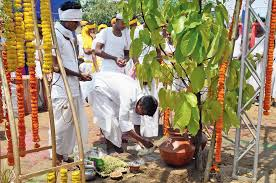
The rituals of Sarhul Puja are elaborate and deeply symbolic. The festival usually begins with the purification of the village and sacred spaces. The main ceremony takes place in the “Sarna,” a sacred grove where tribal deities are believed to reside.
The village priest, known as the “Pahan,” plays a central role in conducting the rituals. He observes a period of fasting and purification before the पूजा. On the main day, he offers prayers to the deities, seeking their blessings for the community.
Sal flowers are the most important element of the ritual. The Pahan collects fresh sal blossoms and places them in the sacred grove. These flowers are then distributed among villagers as a symbol of blessing and prosperity.
Offerings typically include rice, flowers, fruits, and locally brewed rice beer known as “Handia.” The sacrifice of animals, such as chickens or goats, may also be part of traditional practices, although this varies across regions.
Another important ritual involves the use of water stored in earthen pots. The priest observes the level of water to predict rainfall and agricultural prospects for the year. This practice reflects the deep connection between tribal traditions and environmental observation.
Role of Nature in Sarhul
Nature is at the heart of Sarhul Puja. The festival emphasizes the interdependence between humans and the environment. Forests, trees, rivers, and animals are considered sacred and are worshipped as manifestations of divine power.
The sal tree, in particular, holds a special place in Sarhul celebrations. Its flowers symbolize new beginnings and the rejuvenation of life. The blooming of these flowers signals the arrival of spring and the start of a new agricultural cycle.
Tribal communities believe that harming nature invites misfortune. Therefore, Sarhul serves as a reminder to protect and preserve the environment. It promotes sustainable living practices and respect for natural resources.
In today’s context, Sarhul’s message is highly relevant. As environmental challenges such as deforestation and climate change become more pressing, the festival’s emphasis on ecological balance offers valuable lessons for modern society.
Music, Dance, and Festivities
One of the most vibrant aspects of Sarhul Puja is the celebration through music and dance. Traditional songs, known as “Jadur” and “Domkach,” are sung in local languages, expressing joy, devotion, and cultural heritage.
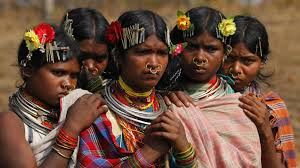
Men and women dress in colorful traditional attire and perform group dances in open spaces. The rhythmic beats of drums, such as the “Mandar” and “Nagara,” create an energetic atmosphere that draws everyone into the celebration.
Dance is not merely entertainment; it is a form of storytelling and spiritual expression. Through dance, people convey their connection to nature, their history, and their collective identity.
Festivities also include communal feasts where people share food and drink. Handia, the traditional rice beer, is an essential part of these gatherings. Sharing meals strengthens social bonds and fosters a sense of unity.
Social and Community Aspects
Sarhul Puja plays a crucial role in maintaining social harmony within tribal communities. It is a time when disputes are resolved, relationships are renewed, and a sense of belonging is reinforced.
The festival encourages collective participation. Preparations involve cleaning the village, decorating homes, and organizing cultural events. Everyone contributes, creating a strong sense of cooperation and mutual support.
Sarhul also provides an opportunity for cultural transmission. Elders pass down traditions, stories, and values to younger generations, ensuring the continuity of tribal heritage.
In urban areas, tribal communities continue to celebrate Sarhul with the same enthusiasm. Processions, cultural programs, and public gatherings help preserve their identity even in modern settings.
Modern-Day Celebrations
In recent years, Sarhul Puja has gained wider recognition beyond tribal communities. It is now celebrated in cities with large tribal populations, including Ranchi, Jamshedpur, and even parts of Kolkata.
Public celebrations often include grand processions where people carry traditional symbols, dance through the streets, and showcase their cultural heritage. These events attract people from different backgrounds, promoting cultural exchange and understanding.
Governments and cultural organizations have also begun to recognize the importance of Sarhul. In some regions, it is observed as a public holiday, and efforts are being made to promote tribal festivals as part of India’s cultural diversity.
However, modernization has also brought challenges. The influence of urban lifestyles and changing values sometimes leads to the dilution of traditional practices. Despite this, many communities are actively working to preserve the authenticity of Sarhul.
Challenges and Preservation of Tradition
While Sarhul Puja continues to thrive, it faces several challenges in the modern era. Deforestation and environmental degradation threaten the natural resources that are central to the festival.
Urbanization has led to the displacement of tribal communities, making it difficult to maintain traditional practices. Younger generations, influenced by modern education and lifestyles, may sometimes feel disconnected from their cultural roots.
To address these challenges, various initiatives are being undertaken. Cultural organizations, NGOs, and community leaders are working to raise awareness about the importance of preserving tribal traditions.
Efforts include documenting rituals, promoting cultural education, and organizing festivals that highlight tribal heritage. Schools and institutions are also incorporating tribal culture into their curricula to ensure that future generations remain connected to their roots.
Conclusion
Sarhul Puja is much more than a festival—it is a celebration of life, nature, and community. It reflects a worldview that values harmony, sustainability, and collective well-being. In a rapidly changing world, the lessons of Sarhul are more relevant than ever.
By honoring nature and fostering social unity, Sarhul offers a model for a balanced and meaningful way of life. It reminds us that progress should not come at the cost of our connection to the environment and our cultural heritage.
As we move forward, it is essential to preserve and respect such traditions. Sarhul Puja stands as a testament to the richness of India’s tribal culture and its enduring wisdom.
Leave a Reply