Introduction
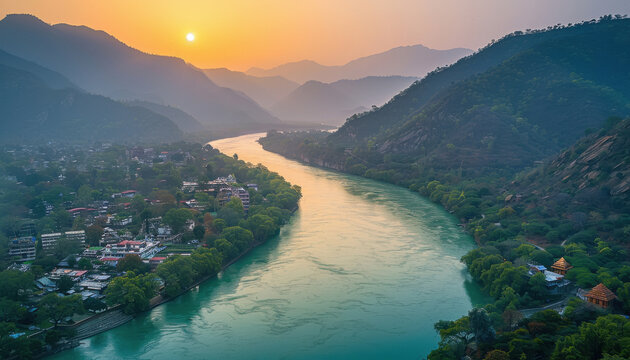
Ganga River: A Comprehensive Overview(2026) The Ganga River, also known as the Ganges, is one of the most important and sacred rivers in the world. Flowing through the northern part of India and into Bangladesh, it plays a crucial role in the lives of millions of people. The river is not only a source of water and livelihood but also holds deep religious, cultural, and historical significance. Revered as a goddess in Hinduism, the Ganga symbolizes purity, life, and spiritual salvation.
Origin and Course
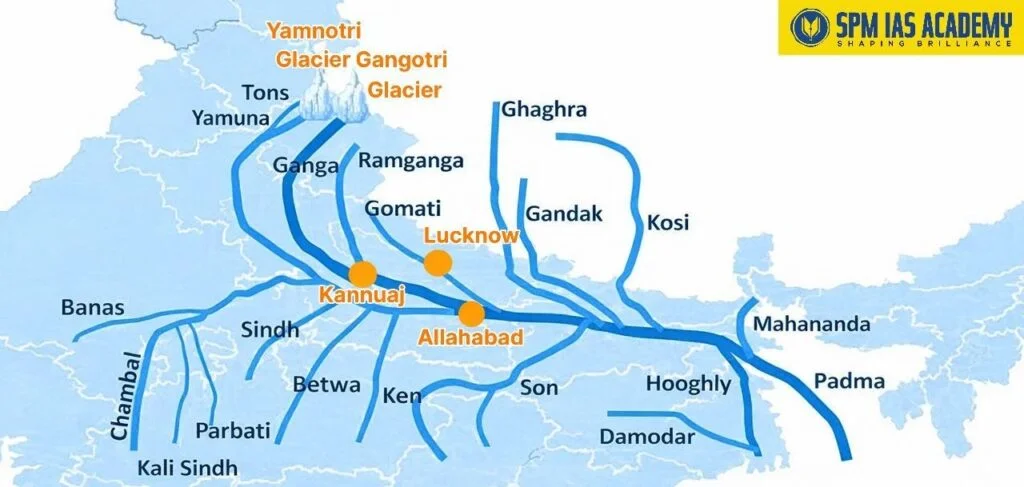
The Ganga originates in the Himalayas at the Gangotri Glacier in Uttarakhand. The river begins as the Bhagirathi River and later joins the Alaknanda River at Devprayag. From this confluence, it takes the name Ganga. It then flows through the plains of northern India, passing through states such as Uttarakhand, Uttar Pradesh, Bihar, Jharkhand, and West Bengal.
After traveling approximately 2,525 kilometers, the river enters Bangladesh, where it is known as the Padma River. It eventually merges with the Brahmaputra River and flows into the Bay of Bengal, forming the Sundarbans delta—the largest river delta in the world.
Tributaries of the Ganga
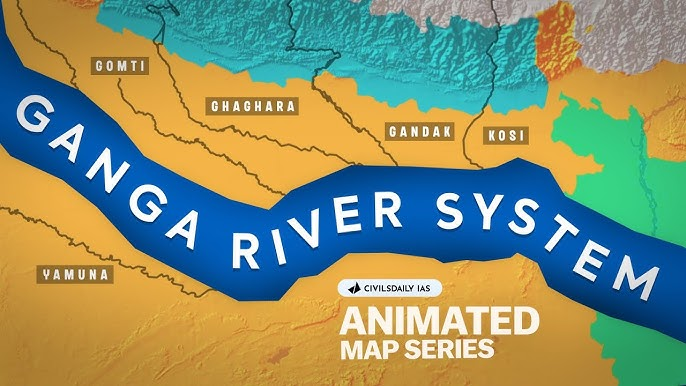
The Ganga has many important tributaries that contribute to its vast basin. Major tributaries include the Yamuna, Ghaghara, Gandak, Kosi, and Son rivers. Among these, the Yamuna is the largest and joins the Ganga at Prayagraj. These tributaries play a vital role in maintaining the river’s flow and supporting agriculture and ecosystems across the region.
Geographical Importance
The Ganga basin is one of the most fertile regions in the world. The river deposits rich alluvial soil, making the land highly suitable for agriculture. Crops such as rice, wheat, sugarcane, and pulses are widely cultivated in this region. The basin supports one of the highest population densities globally, making it an essential lifeline for millions.
The river also influences the climate of the region by contributing to humidity and rainfall patterns. Its vast network of waterways supports transportation and irrigation systems that are crucial for rural and urban development.
Historical Significance
The Ganga has been the cradle of Indian civilization for thousands of years. Ancient cities like Varanasi, Prayagraj, and Patna developed along its banks and became centers of trade, education, and culture. The river served as a major route for transportation and communication, helping in the spread of ideas, religions, and traditions.
Many historical events and movements have taken place along the Ganga, making it an integral part of India’s heritage. It has been mentioned in ancient texts such as the Vedas, Puranas, and epics like the Ramayana and Mahabharata.
Religious and Cultural Importance
In Hinduism, the Ganga is considered a sacred river and worshipped as Goddess Ganga. It is believed that bathing in its waters cleanses sins and purifies the soul. Pilgrims from all over India visit the river to perform rituals and offer prayers.
Major religious events like the Kumbh Mela are held on its banks, attracting millions of devotees. The practice of immersing ashes of the deceased in the river is believed to grant moksha, or liberation from the cycle of life and death.

The river is also central to many festivals, rituals, and daily practices, making it deeply embedded in Indian culture and traditions.
Mythological Background
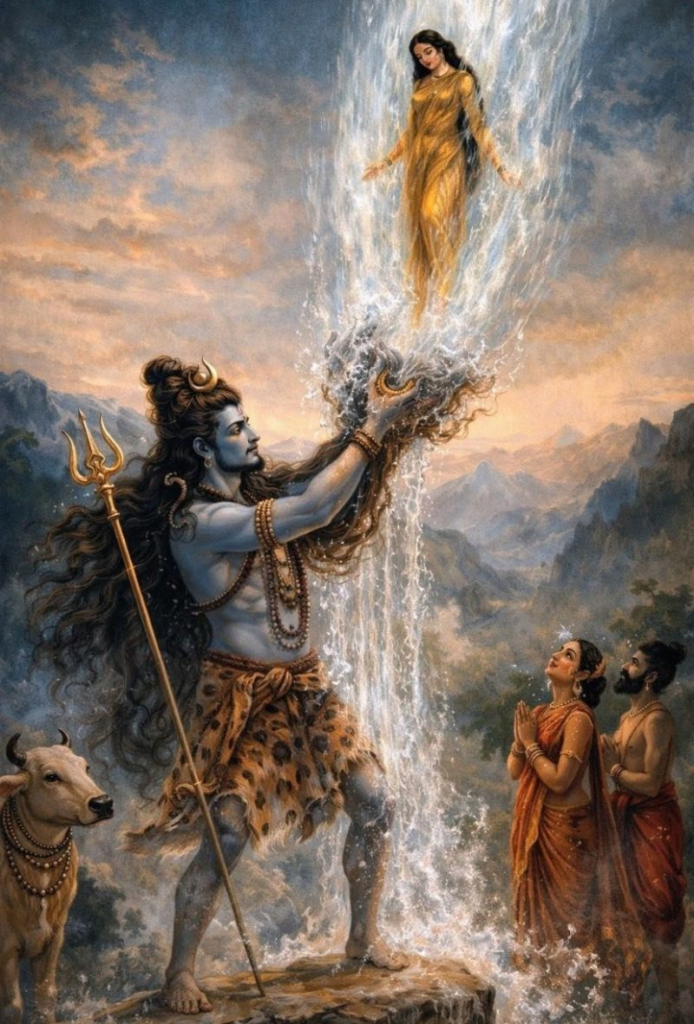
According to Hindu mythology, the Ganga descended from heaven to earth to purify the souls of King Bhagiratha’s ancestors. Due to its immense force, Lord Shiva captured the river in his matted hair to prevent destruction and then released it gently to the earth. This story highlights the divine origin and sacred nature of the river.
Economic Importance
The Ganga is a vital resource for economic activities. It provides water for irrigation, drinking, and industrial use. Agriculture in the Ganga basin supports millions of farmers and contributes significantly to India’s economy.
The river also supports fishing, transportation, and tourism. Inland waterways along the Ganga are being developed to promote trade and reduce transportation costs. Cities along the river attract tourists for their spiritual and cultural significance.
Biodiversity
The Ganga River supports a rich and diverse ecosystem. It is home to many species of fish, birds, and aquatic animals. One of the most notable species is the Ganges river dolphin, which is endangered.
The wetlands and forests along the river provide habitats for migratory birds and other wildlife. The Sundarbans delta is famous for its mangrove forests and unique biodiversity, including the Royal Bengal Tiger.
Environmental Challenges
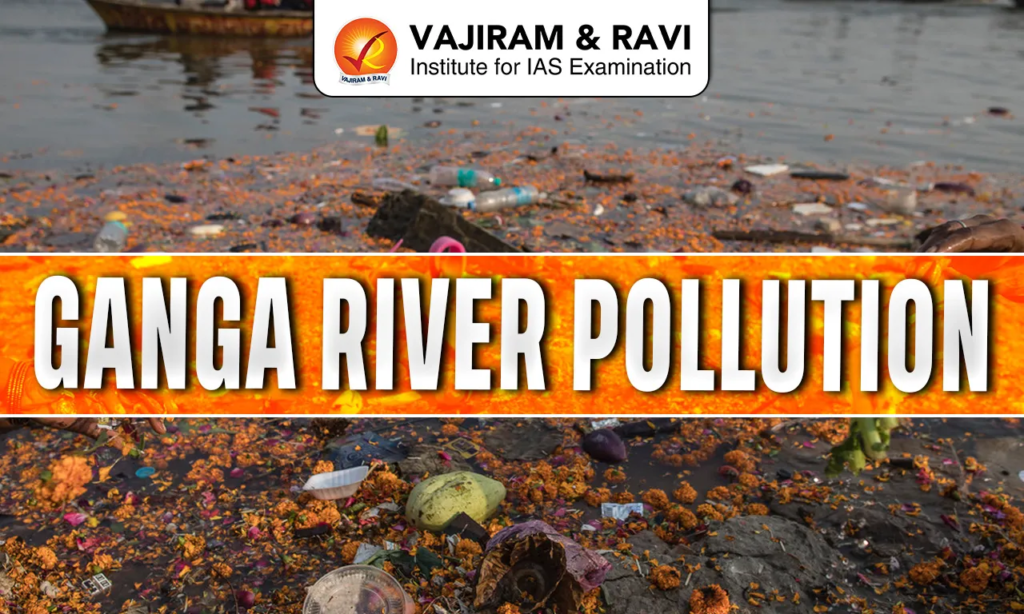
Despite its importance, the Ganga faces serious environmental issues. Pollution is one of the biggest challenges, caused by untreated sewage, industrial waste, plastic, and agricultural runoff. Many cities discharge waste directly into the river, affecting water quality.
Overuse of water for irrigation and industrial purposes has reduced the river’s flow. Dams and barrages disrupt the natural ecosystem and affect aquatic life. Climate change is also impacting the river by altering rainfall patterns and melting glaciers.
Conservation Efforts
The Government of India has launched several initiatives to clean and protect the Ganga. One of the major programs is the Namami Gange Mission, which focuses on reducing pollution, improving sewage treatment, and restoring the river’s ecosystem.
Public awareness campaigns and community participation are also encouraged to promote cleanliness and conservation. Efforts are being made to regulate industrial discharge and promote sustainable practices.
Role in Modern India
In modern times, the Ganga continues to be a lifeline for millions. It supports urban development, agriculture, and industries. At the same time, there is growing awareness about the need to protect and preserve the river.
Technological advancements and environmental policies are being implemented to improve water quality and ensure sustainable use. The river remains a symbol of national identity and cultural unity.
Conclusion
The Ganga River is much more than a natural watercourse. It is a symbol of life, faith, and civilization. Its importance spans across geographical, cultural, economic, and spiritual dimensions. While it continues to sustain millions, it also faces serious environmental challenges that require immediate attention.
Protecting the Ganga is a shared responsibility. Through collective efforts, sustainable practices, and increased awareness, it is possible to restore and preserve this महान नदी for future generations. The Ganga is not just a river—it is the soul of India and a timeless source of inspiration and life.
Leave a Reply