1. Introduction
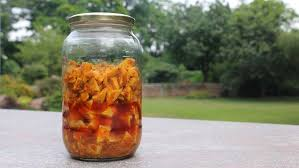
Mango pickle, often known as “aam ka achar,” is one of the most loved traditional condiments in many households, especially across South Asia. It is a flavorful combination of raw mangoes, spices, oil, and salt, preserved in a way that enhances its taste over time. Mango pickle is not just a side dish; it is an emotion tied to family traditions, summer rituals, and cultural heritage.Mango Pickle: A Complete Guide
Mango Pickle: A Complete Guide The tangy, spicy, and sometimes slightly bitter taste of mango pickle complements a wide variety of meals. Whether served with simple rice and dal or stuffed inside parathas, it adds a burst of flavor that elevates even the simplest dishes.
2. History and Cultural Significance
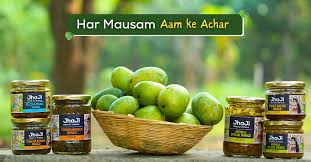
Mango pickle has a long history dating back centuries. The practice of pickling fruits and vegetables began as a method of preservation before refrigeration existed. In hot climates, especially in India, raw mangoes were abundant during the summer season, and people found ways to store them for use throughout the year.Mango Pickle: A Complete Guide
Over time, mango pickle became deeply embedded in cultural traditions. Recipes were passed down from generation to generation, often with each family having its own unique blend of Mango Pickle: A Complete Guidespices and techniques.Mango Pickle: A Complete Guide In many households, preparing pickle is still considered a seasonal ritual, bringing families together.Mango Pickle: A Complete Guide
3. Types of Mango Pickle
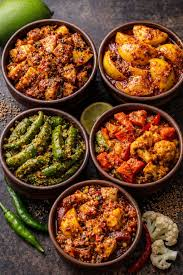
Mango pickle comes in many varieties depending on regional preferences, ingredients, and preparation methods.
a) Spicy Mango Pickle
This is the most common type, made with red chili powder, mustard seeds, and oil. It has a bold, fiery flavor.
b) Sweet Mango PickleMango Pickle: A Complete Guide
Prepared with sugar or jaggery, this version balances sweetness with tanginess. It is popular among those who prefer milder flavors.
c) Garlic Mango Pickle
This type includes garlic cloves, adding a strong and aromatic twist to the pickle.
d) Oil-Free Mango Pickle
Made without oil, this version is lighter and often consumed for health reasons.
e) Instant Mango Pickle
Unlike traditional pickles that take weeks to mature, instant pickles are ready within a few hours or days.
4. Ingredients Used
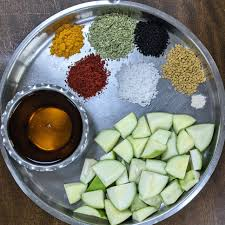
The ingredients in mango pickle are simple yet powerful in flavor.
- Raw mangoes (firm and sour)
- Mustard seeds
- Fenugreek seeds
- Red chili powder
- Turmeric powder
- Salt
- Mustard oil or other oils
- Optional: garlic, fennel seeds, nigella seeds, vinegar, sugar
Each ingredient plays a specific role. For example, salt acts as a preservative, while oil helps prevent spoilage and enhances flavor.
5. Preparation Process
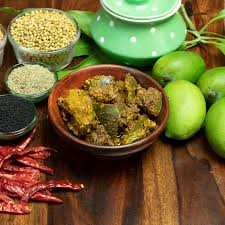
Step 1: Selecting Mangoes
Choose raw, firm, and unripe mangoes. They should be free from blemishes and have a sour taste.
Step 2: Washing and Drying
Wash the mangoes thoroughly and dry them completely. Any moisture can spoil the pickle.
Step 3: Cutting
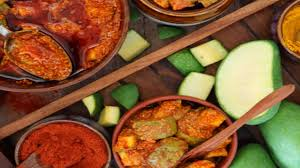
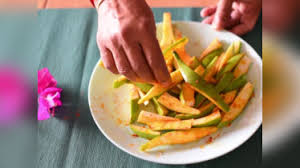
Cut the mangoes into small pieces, usually with the seed shell intact or removed depending on preference.
Step 4: Mixing Spices
Mix the spices in the right proportion. This is where the flavor of the pickle is defined.
Step 5: Adding Oil
Heat the oil slightly and let it cool before mixing it with the mangoes and spices.
Step 6: Storing
Store the mixture in a clean, dry glass jar.
Step 7: Sun Drying
Keep the jar in sunlight for several days. This helps in fermentation and enhances the taste.
6. Importance of Sunlight in Pickling
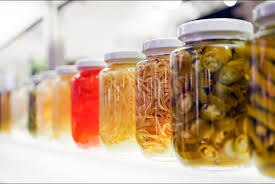
Sunlight plays a crucial role in the pickling process. It helps in natural fermentation and thickens the oil and spices. The heat also ensures that any remaining moisture evaporates,Mango Pickle: A Complete Guide reducing the risk of spoilage.
Traditionally, jars are kept on rooftops or balconies where they receive direct sunlight. They are brought inside at night to avoid moisture.
7. Health Benefits
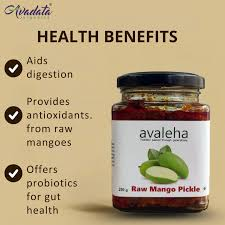
a) Aids Digestion
The spices used in mango pickle, such as mustard and fenugreek, help improve digestion.
b) Rich in Antioxidants
Raw mangoes contain vitamins and antioxidants that are beneficial for health.Mango Pickle: A Complete Guide
c) Boosts Appetite
The tangy and spicy taste stimulates appetite, making meals more enjoyable.Mango Pickle: A Complete Guide
d) Source of Probiotics
Naturally fermented pickles may contain beneficial bacteria that support gut health.
8. Precautions While Making Pickle
- Ensure all utensils are dry and clean
- Avoid using wet hands or spoons
- Use sufficient oil and salt for preservation
- Store in airtight containers
- Check regularly for spoilage
Taking these precautions ensures a longer shelf life and better taste.
9. Storage and Shelf Life
Mango pickle can last from several months to even a year if stored properly. Keeping it in a cool, dry place and ensuring it is always covered with oil helps prevent spoilage.
Mango Pickle: A Complete GuideGlass jars are preferred over plastic containers as they do not react with the acidic ingredients.
10. Regional Variations
North India
Spicy and oily pickles with mustard oil are common.
South India
Often includes curry leaves and different spice blends.
West India
May include jaggery, giving a sweet and tangy flavor.
East India
Uses mustard paste and less oil, resulting in a unique taste.
11. Mango Pickle in Daily Life
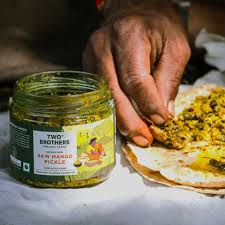
Mango pickle is a staple in many households. It is commonly eaten with:
- Rice and dal
- Parathas
- Khichdi
- Curd rice
It adds flavor and excitement to everyday meals.
12. Commercial Production
Today, mango pickle is produced on a large scale and sold in markets worldwide. However, many people still prefer homemade pickle because of its authenticity and lack of preservatives.
Commercial pickles often use preservatives and standardized recipes, while homemade versions have a personal touch.
13. Common Mistakes to Avoid
- Using unripe but soft mangoes
- Not drying mangoes properly
- Using less oil or salt
- Storing in damp conditions
- Not mixing the pickle regularly during initial days
Avoiding these mistakes ensures a perfect batch of pickle.
14. Modern Adaptations
With changing lifestyles, people are experimenting with new variations of mango pickle:
- Low-oil versions
- Organic ingredients
- Fusion flavors
- Ready-to-eat instant mixes
These adaptations make mango pickle more accessible to modern consumers.
15. Conclusion
Mango pickle is more than just a condiment—it is a symbol of tradition, culture, and culinary creativity. Its rich flavors, long shelf life, and versatility make it a beloved part of many cuisines.
From traditional sun-dried recipes to modern instant versions, mango pickle continues to evolve while retaining its essence. Whether homemade or store-bought, it remains a timeless addition to meals, bringing a burst of tangy and spicy delight to every bite.
Leave a Reply