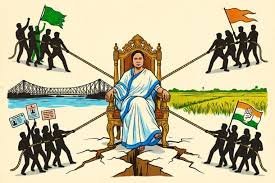
Introduction of Mamta banerjee
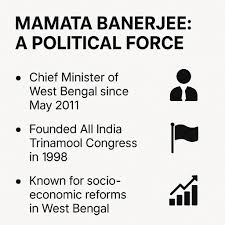
Introduction of Mamata Banerjee in 2026: Leadership, Politics, and LegacyMamata Banerjee, popularly known as “Didi,” remains one of the most influential political figures in India in 2026. As the Chief Minister of West Bengal since 2011 and founder of the All India Trinamool Congress (TMC), she has built a unique political identity rooted in grassroots activism, welfare governance, and strong opposition to national political forces.
By 2026, Banerjee stands at a critical juncture in her career. With another state election approaching and political tensions rising, her leadership is being tested like never before. This essay explores her background, governance model, political challenges, and her evolving role in Indian politics in 2026.
Early Life and Political Rise
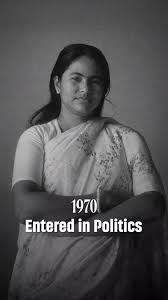
Mamata Banerjee was born on January 5, 1955, in Kolkata. Coming from a lower-middle-class family, she developed a strong connection with common people early in life. Her father was a freedom fighter, and her upbringing instilled in her a deep sense of social justice and resilience.
She entered politics at a young age through the Indian National Congress and quickly gained recognition as a fiery youth leader. In 1984, she became one of the youngest parliamentarians after defeating veteran communist leader Somnath Chatterjee.
However, her political journey took a decisive turn in 1998 when she founded the All India Trinamool Congress. This move marked her break from Congress and her determination to challenge the long-standing Left Front rule in West Bengal.
Rise to Power in West Bengal
Banerjee’s biggest political achievement came in 2011 when she ended 34 years of Left Front rule and became the first female Chief Minister of West Bengal.
Her victory was driven by mass movements, including protests like the Singur agitation against land acquisition. These movements established her as a leader of the people, fighting for farmers, workers, and marginalized communities.
Since then, she has won multiple elections, including a major victory in 2021, where her party secured a two-thirds majority despite strong opposition.
Governance Model and Welfare Policies
One of the defining features of Mamata Banerjee’s leadership is her focus on welfare-oriented governance. Her slogan “Maa, Maati, Manush” (Mother, Land, People) reflects her political philosophy.
Key Welfare Schemes
- Kanyashree Scheme: Focused on girls’ education and empowerment; it received international recognition from the United Nations.
- Lakshmir Bhandar: Provides financial assistance to women, strengthening household economic security.
- Students Credit Card Scheme: Helps students pursue higher education through affordable loans.
- Shramashree Scheme (2025): Supports migrant workers returning to the state with financial aid and rehabilitation programs.
These schemes have contributed significantly to her popularity, especially among women, rural populations, and economically weaker sections.
Mamata Banerjee in 2026: Political Context
In 2026, Mamata Banerjee faces one of the toughest elections of her career. The political atmosphere in West Bengal is highly charged, with strong competition from the Bharatiya Janata Party (BJP) and other opposition parties.
She is contesting from Bhabanipur, continuing her political stronghold, and has expressed confidence in securing another victory for the TMC.
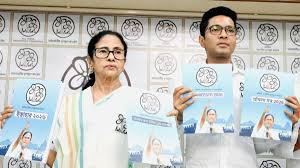
Election Strategy
Her strategy includes:
- Fielding new candidates to counter anti-incumbency
- Emphasizing welfare schemes and development
- Positioning herself as the protector of regional identity
She has also framed the election as a battle between regional autonomy and central dominance.
Key Issues and Challenges in 2026
1. Electoral Tensions and Allegations
Banerjee has strongly criticized electoral processes such as voter list revisions, calling them unfair and politically motivated.
At the same time, opposition leaders have accused her government of corruption, unemployment, and administrative failures.At the same time, opposition leaders have accused her government of corruption, unemployment, and administrative failures.
This mutual आरोप-प्रत्यारोप reflects the intense political rivalry shaping the 2026 elections.
2. Conflict with Central Government
Mamata Banerjee continues to position herself as a major opponent of the central government led by the BJP. She has frequently
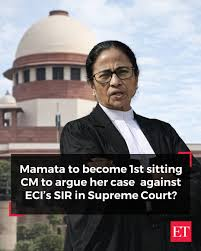
accused central agencies of targeting opposition leaders.
Her strong statements against national leadership highlight her role as a key opposition figure at the national level.
3. Minority and Tribal Politics
Her government has traditionally enjoyed strong support from minority communities. However, reports suggest shifting political
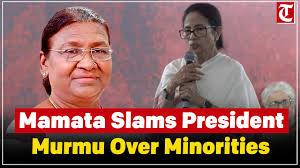
dynamics in some regions, which could impact election outcomes.
In response, she has promised recognition of tribal religions like Sarna, aiming to consolidate support among indigenous groups.
4. Image of Simplicity and Integrity
One of the most striking aspects of Mamata Banerjee’s public image is her simple lifestyle. In 2026, she declared relatively modest personal assets, reinforcing her reputation as a leader who lives simply.
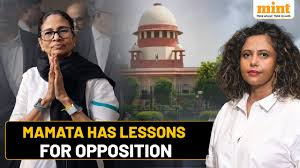
This image contrasts sharply with many other politicians and continues to resonate with voters.
Leadership Style
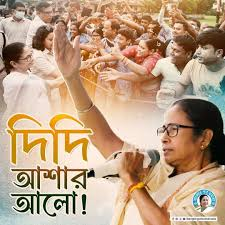
Mamata Banerjee is known for her unconventional and highly personal leadership style. She often communicates directly with the public, attends rallies personally, and maintains a strong grassroots presence.
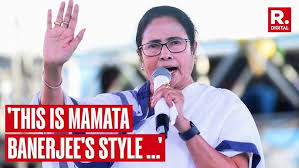
Her leadership traits include:
- Aggressiveness in politics
- Emotional connection with voters
- Centralized decision-making
- Strong opposition stance
She is often described as a “street fighter” politician, someone who thrives in political संघर्ष (struggle).
Cultural and Personal Contributions
Apart from politics, Mamata Banerjee is also a writer, poet, and painter. She has authored several books and composed songs, particularly on cultural and religious themes.

Her cultural engagement adds another dimension to her personality, making her more relatable to the people of Bengal.
National Role and Future Prospects
In recent years, Mamata Banerjee has emerged as a significant national opposition leader. Many political analysts see her as a potential key figure in forming alliances against the BJP at the national level.
Her future depends on:
- Performance in the 2026 West Bengal elections
- Ability to build national coalitions
- Managing internal party dynamics
If she secures another victory, she could strengthen her position as one of India’s most powerful regional leaders.
Like any long-serving leader, Banerjee has faced criticism:
- Allegations of corruption within her party
- Accusations of authoritarian governance
- Concerns about law and order
Opposition parties frequently highlight these issues, especially during election periods.
However, her supporters argue that her welfare schemes and grassroots connect outweigh these criticisms.
Conclusion
Mamata Banerjee in 2026 represents a complex and dynamic political figure. From her humble beginnings in Kolkata to becoming one of India’s most powerful chief ministers, her journey reflects determination, resilience, and political acumen.
As she faces another crucial election, her leadership is under intense scrutiny. Whether she continues her dominance in West Bengal or faces a significant challenge, one thing remains certain—Mamata Banerjee will continue to play a pivotal role in shaping both state and national politics.
Her story is not just about political success but also about th
Leave a Reply